Anhui Feichun Special Cable Co.,Ltd Email: Li.wang@feichuncables.com
Why BS 6708 Type 830 Cable Still Powers South Africa’s Biggest Mining Machines
Discover how the BS 6708 Type 830 mining cable delivers reliable 6.35/11 kV medium-voltage power to large mining machines in South Africa. Learn about its construction, electrical performance, applications, and real South African case studies, and why it remains a trusted trailing cable in harsh mining environments.
Li Wang
12/22/20255 min read
Why BS 6708 Type 830 Matters in South African Mining
South Africa’s mining industry has always been defined by scale, depth, and toughness. From the gold reefs of Gauteng, to the platinum belts of the Bushveld Complex, and the vast open-cast coal fields of Mpumalanga, mining operations here demand equipment—and power systems—that can withstand extreme conditions every single day.
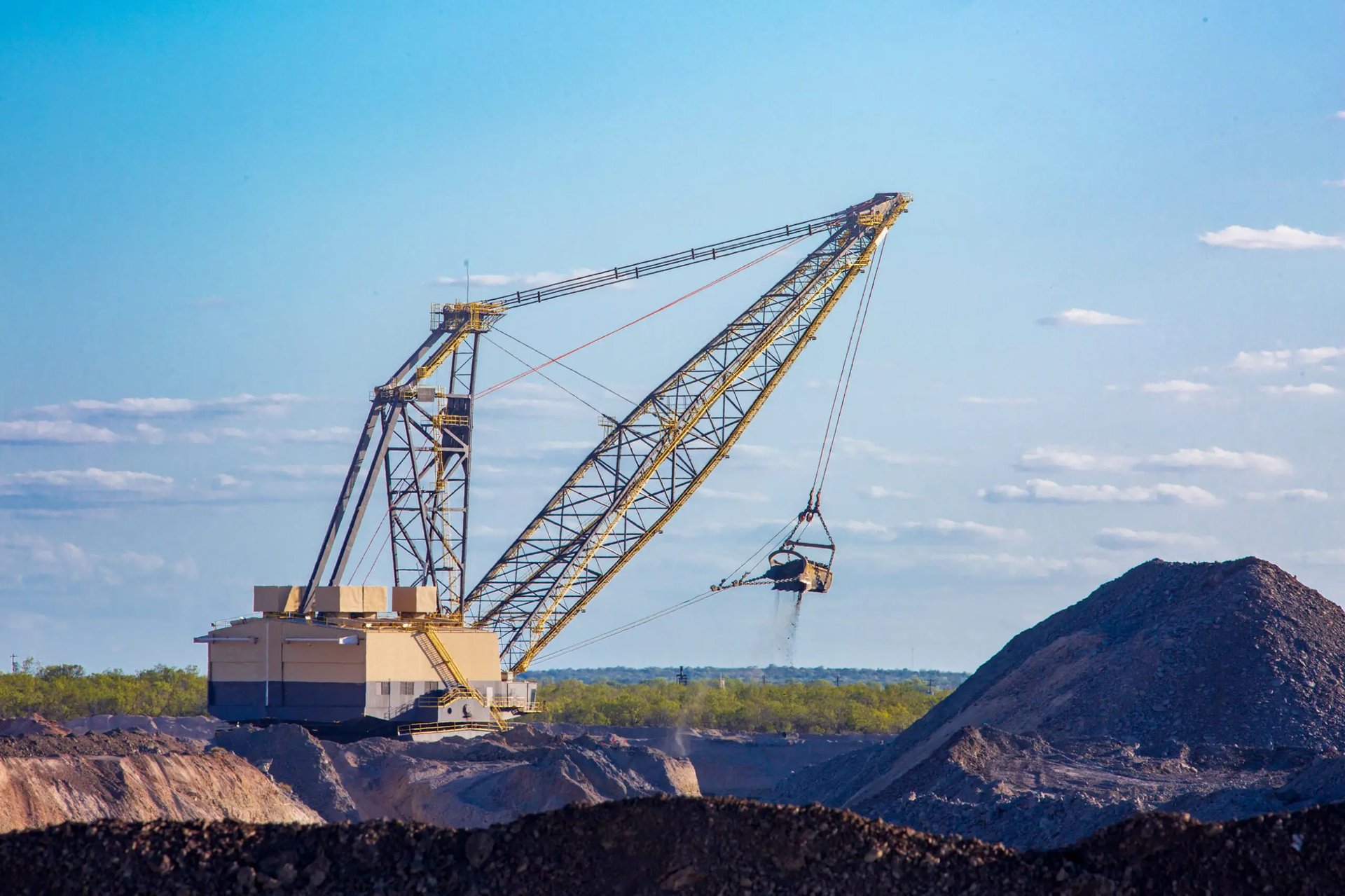
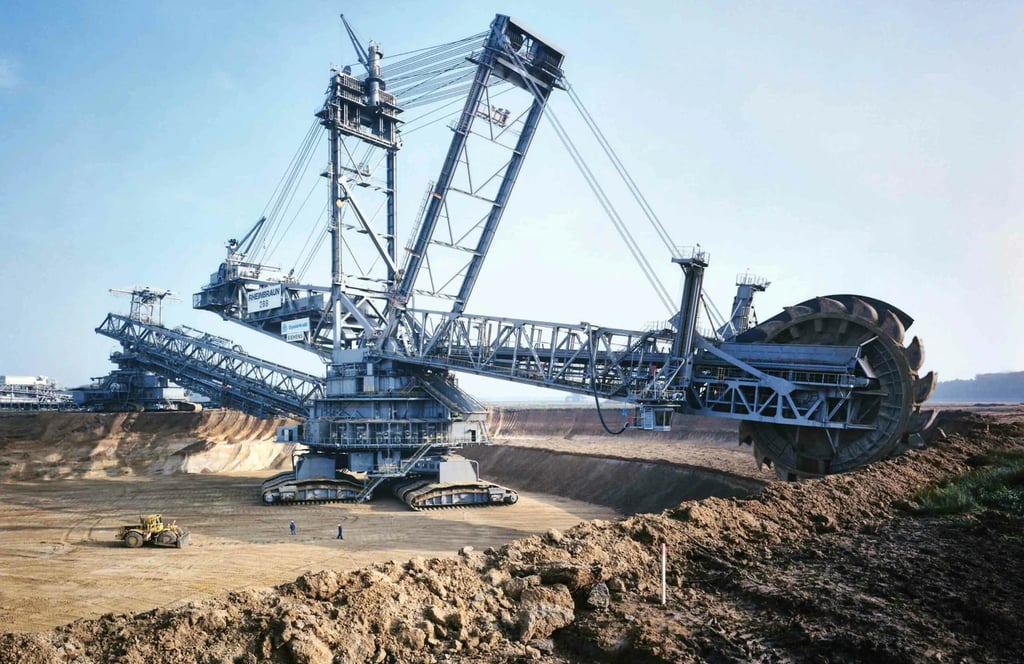
Modern mining is no longer powered by small, stationary loads. Instead, large mobile machines such as draglines, bucket wheel excavators, and high-capacity shovels dominate both surface and underground operations. These machines require reliable medium-voltage power, delivered through flexible cables that must survive constant movement, dragging, twisting, and mechanical abuse.
This is where medium-voltage trailing cables play a critical role. Among them, the BS 6708 Type 830 cable has earned a long-standing reputation across African mining operations.
Originally developed under the British Standard BS 6708, Type 830 mining cables are specifically designed to supply power to large mining machines operating in harsh, dynamic environments. Despite the increasing use of SANS 1520-1 and IEC-based specifications in South Africa, BS 6708 Type 830 cables continue to be widely specified—particularly in legacy systems, export-driven projects, and multinational mining operations.
This article provides a deep, technical, and practical exploration of BS 6708 Type 830 mining cables, explaining how they are built, how they perform, and why they remain relevant in South African mining today.
Understanding the BS 6708 Standard
What Is BS 6708?
BS 6708 is a British Standard that specifies requirements for flexible trailing cables used in mining operations, quarries, and heavy industrial environments. These cables are commonly referred to as:
Mining trailing cables
Quarry cables
Auxiliary mining cables
The standard focuses on mechanical robustness, electrical safety, and long service life under dynamic operating conditions.
Scope of BS 6708
BS 6708 covers cables intended for:
Continuous movement during operation
High mechanical stress (dragging, bending, twisting)
Exposure to oils, moisture, abrasion, and UV radiation
Supplying power to mobile and semi-mobile mining equipment
Type 830 sits at the heavy-duty end of this standard, designed specifically for medium-voltage applications supplying large mining machines.
BS 6708 vs SANS 1520-1 and IEC in South Africa
In South Africa, SANS 1520-1 is the dominant national standard for mining cables, supported by NRCS certification requirements. However, BS 6708 cables remain widely used due to:
Existing installed base in older mines
Compatibility with British-origin mining equipment
Use in export-oriented mining projects across Africa
Acceptance by multinational EPC contractors
In practice, many BS 6708 Type 830 cables are manufactured to meet or exceed equivalent IEC performance criteria, making them technically suitable for South African conditions when correctly specified.
Typical Applications of BS 6708 Type 830 Mining Cable
Trailing Cable for Large Mining Machines
BS 6708 Type 830 is primarily used as a medium-voltage trailing cable, supplying power to high-demand mining equipment such as:
Draglines used in large open-cast coal operations
Bucket wheel excavators in continuous mining systems
Large continuous miners
High-capacity electric shovels
These machines often operate far from fixed substations, requiring long trailing cable lengths capable of withstanding constant movement.
Open-Cast and Underground Suitability
Although more commonly associated with open-cast mining, Type 830 cables can also be used in certain underground applications where:
Medium-voltage power is required
Adequate space exists for bending radius compliance
Mechanical protection and inspection regimes are in place
Mechanical Stresses in Real Mining Conditions
In South African mines, trailing cables are exposed to:
Continuous dragging over rock and spoil
Repeated bending around machine pivots
Twisting due to machine rotation
Impact from falling debris or vehicle traffic
The design of BS 6708 Type 830 directly addresses these stresses.
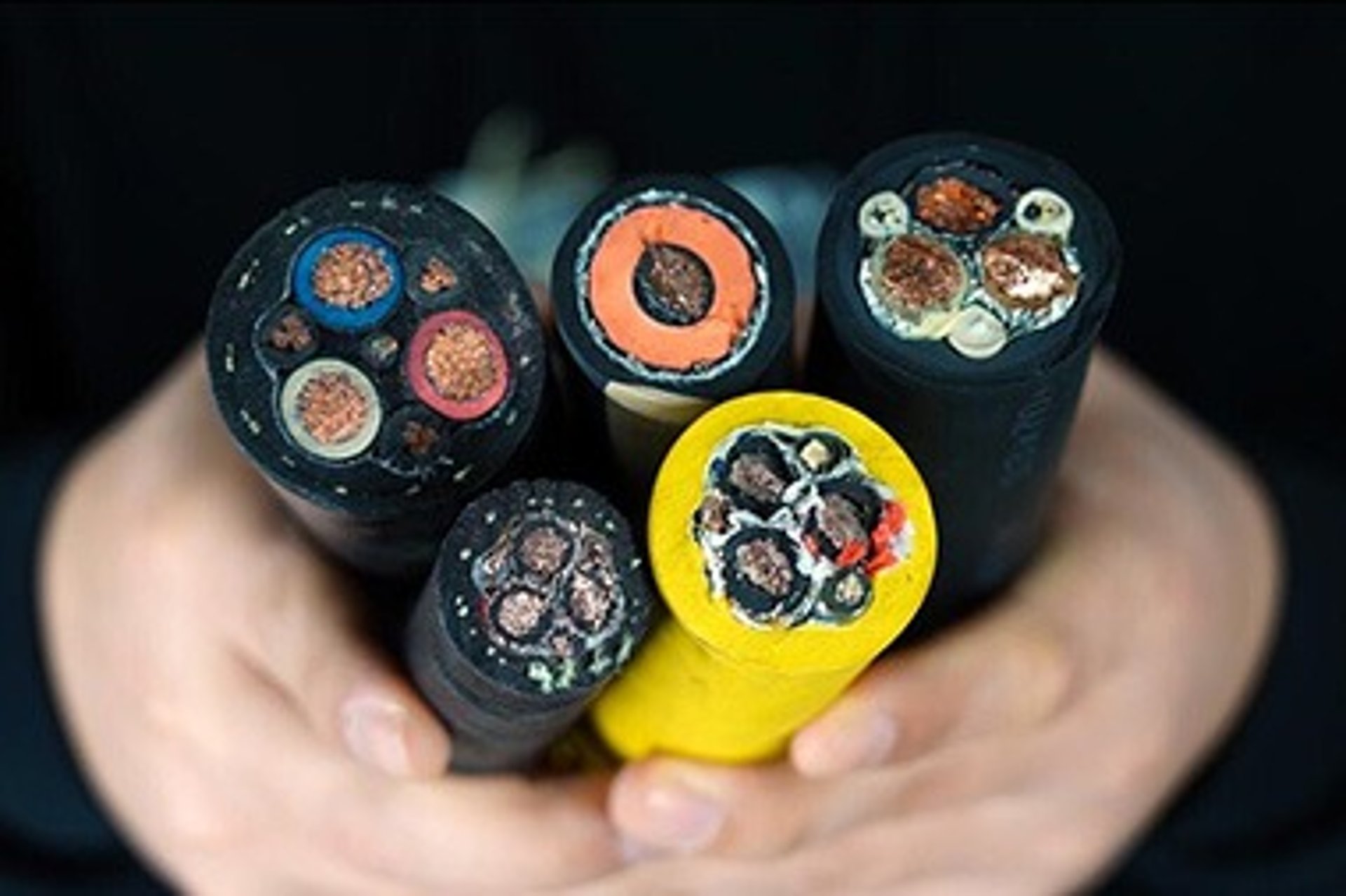
Cable Construction Overview
Conductor Design
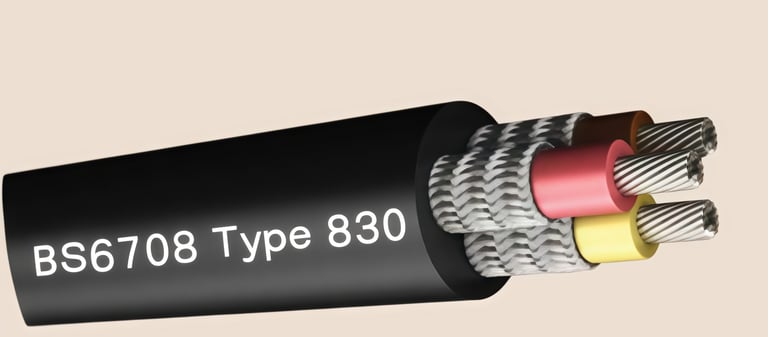
BS 6708 Type 830 cables use electrolytic, stranded, tinned copper conductors manufactured to IEC 60228 Class 5 flexibility requirements.
Why tinned copper matters in mining:
Improved resistance to corrosion
Enhanced performance in humid and chemically aggressive environments
Reduced oxidation over long service life
In South African mines—particularly coal and deep underground operations—humidity and corrosive conditions make tinned copper a practical advantage.
Insulation System
Each phase conductor is insulated with EPR (Ethylene Propylene Rubber).
Key benefits of EPR insulation:
Excellent dielectric strength at 6.35/11 kV
Stable performance under thermal stress
High resistance to moisture ingress
Superior ageing characteristics compared to PVC
The consistent 7.5 mm insulation thickness ensures controlled electrical stress and long-term reliability.
Screening System
Each insulated phase core is surrounded by a tinned copper and nylon braided screen.
The screening system serves several critical functions:
Electrical stress control at medium voltage
Enhanced personnel safety
Compatibility with earth-fault detection systems
Reduction of electromagnetic interference
In modern South African mines, effective screening is essential for compliance with safety and monitoring requirements.
Core Lay-Up
The cable consists of:
Three screened phase cores
Laid up around a bare copper earth conductor (where applicable)
Compact circular formation
This configuration provides:
Mechanical balance
Resistance to deformation
Stable geometry under repeated movement
Outer Sheath
The outer sheath is a heavy-duty chloroprene rubber (CR) compound.
Chloroprene offers excellent resistance to:
Abrasion and tearing
Oils, greases, and fuels
UV exposure and weathering
Ozone and harsh outdoor conditions
For South African open-pit mines, where cables are exposed to sunlight, dust, and temperature extremes, CR sheathing is critical.
Rated Voltage and Electrical Performance
BS 6708 Type 830 cables are rated at:
Rated Voltage: 6.35/11 kV
Test Voltage: 25 kV
This makes them suitable for medium-voltage power transmission to large mining machines with high power demand.
Compliance with BS 6708 ensures:
Adequate insulation margins
Controlled partial discharge risk
Stable operation under load fluctuations
Technical Specifications
Available Conductor Sizes
Typical configurations include:
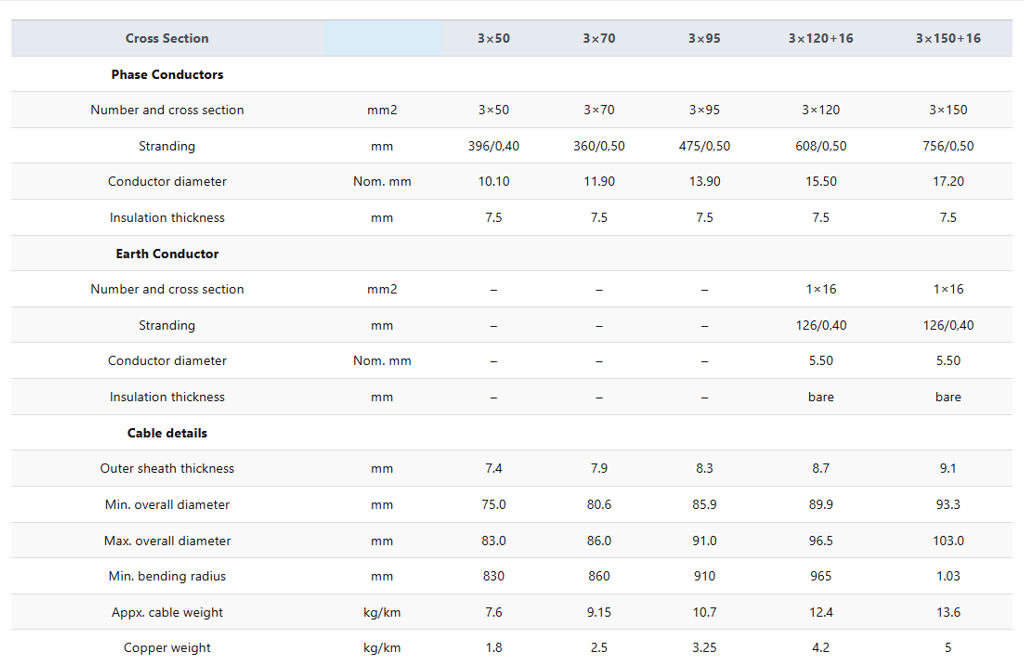
3 × 50 mm²
3 × 70 mm²
3 × 95 mm²
3 × 120 + 16 mm²
3 × 150 + 16 mm²
Selection depends on:
Load current
Trailing distance
Ambient temperature
Installation method
Conductor Stranding and Diameters
Fine stranding improves:
Flexibility
Bending performance
Fatigue resistance
This is essential for trailing applications where cables are constantly in motion.
Insulation Thickness
A uniform 7.5 mm EPR insulation provides:
Electrical stress control
Reduced risk of insulation breakdown
Long-term reliability at medium voltage
Earth Conductor Design
Larger sizes include a bare copper earth conductor (16 mm²), providing:
Effective fault current return
Enhanced system protection
Improved earth continuity
Overall Dimensions and Weight
Depending on size:
Overall diameter ranges from ~75 mm to 103 mm
Weight ranges from 7.6 to 13.6 tonnes per kilometre
These factors influence:
Drum selection
Handling equipment
Installation planning
Minimum Bending Radius
Minimum bending radius ranges from:
830 mm to 1,030 mm, depending on size
Respecting bending radius is critical to prevent:
Insulation cracking
Screen damage
Premature cable failure
Electrical Parameters and Current Ratings
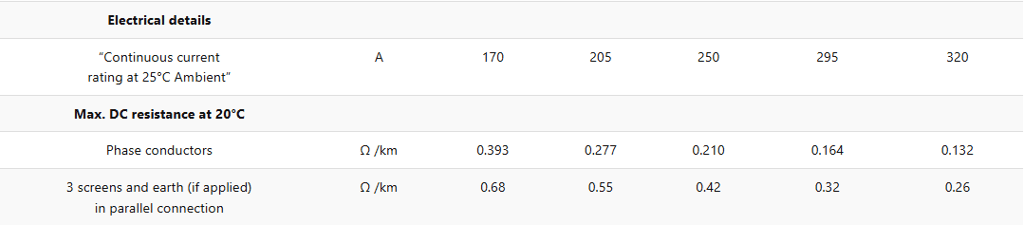
Continuous Current Ratings (25°C Ambient)
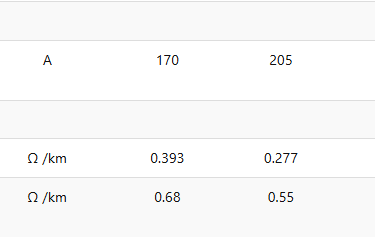
3 × 50 mm²: ~170 A
3 × 70 mm²: ~205 A
3 × 95 mm²: ~250 A
3 × 120 mm²: ~295 A
3 × 150 mm²: ~320 A
Impact of South African Climate
Higher ambient temperatures—common in Mpumalanga and Limpopo—require current derating to avoid insulation ageing and overheating.
Performance Advantages of BS 6708 Type 830
Key advantages include:
Exceptional mechanical durability
Stable medium-voltage electrical performance
Long service life in harsh environments
Reduced downtime and maintenance costs
For mines operating on tight production schedules, these advantages translate directly into improved profitability.
Installation and Handling Best Practices
Best practices include:
Correct drum orientation during unreeling
Avoiding excessive tensile loads
Maintaining minimum bending radius
Regular visual inspection during operation
Common Problems and Troubleshooting
Typical issues include:
Outer sheath abrasion
Insulation ageing due to overheating
Screen damage affecting safety
Earth continuity failures
Early detection through routine inspection is essential.
FAQ
Is BS 6708 Type 830 suitable for underground mines?
Yes, with proper space and protection measures.
How does it compare with SANS 1520-1 cables?
Technically similar, but SANS requires NRCS certification.
Can it be used with reeling systems?
Yes, when bending radius and tension limits are respected.
Expected service life?
Typically 5–10 years, depending on operating conditions.
How to derate current at high temperatures?
Consult manufacturer derating tables and site conditions.
Selecting the Right BS 6708 Type 830 Cable
Key selection factors:
Correct conductor size
Mechanical stress level
Compliance documentation
Experienced mining cable supplier
A Reliable Medium-Voltage Trailing Cable for South African Mining
The BS 6708 Type 830 mining cable remains a proven solution for powering large mining machines across South Africa. Its robust construction, stable electrical performance, and long service life make it a trusted choice in some of the world’s harshest mining environments.
For operations prioritising safety, reliability, and long-term performance, BS 6708 Type 830 continues to deliver—day after day, shift after shift.
Contact Anhui Feichun Special Cable Co., Ltd.
For comprehensive technical specifications and quotations, please contact our specialized mining cable engineering team:
Technical Engineering Support:
Sales Engineering Department:
WhatsApp Contact:
Manufacturer: Anhui Feichun Special Cable Co., Ltd. (安徽飞纯特种电缆有限公司)
Manufacturing Headquarters: Building A, Private Science and Technology Park, Hefei Economic and Technological Development Zone, Anhui Province, People’s Republic of China
+86 17333223430
Email Address: Li.wang@feichuncables.com
© 2025. All rights reserved.
One-click to Quickly Contact
Products
Contact
Company
Location:
Building A Private Science and Technology Park, Hefei Economic and Technological Development Zone, Anhui Province, China
Heat Resistant Cable
WhatsApp: +86 17333223430
Social Media: