Anhui Feichun Special Cable Co.,Ltd Email: Li.wang@feichuncables.com
Why Choose AS/NZS Type 241 Superflex 1.1 to 6.6 kV Cables for Mining and Industrial Applications in South Africa?
Discover the technical specifications, flexible design, and applications of AS/NZS Type 241 Superflex 1.1 to 6.6 kV cables in South African mining and industrial sectors. Compare variants, learn installation tips, and explore FAQs for optimal cable selection.
Li Wang
12/30/20256 min read
When it comes to mining and heavy industrial operations, the reliability and flexibility of electrical cabling can make the difference between smooth operations and costly downtime. South Africa, as a leading producer of platinum, gold, and other minerals, demands high-performance cables capable of enduring harsh underground and surface conditions. Among these, Type 241 Superflex 1.1 to 6.6 kV cables stand out for their unique combination of flexibility, durability, and electrical performance.
In this article, we dive deep into the technical specifications, design advantages, installation best practices, and South African case studies that demonstrate why Type 241 Superflex cables are the go-to solution for modern mining and industrial operations.
What Makes Type 241 Superflex Cables Different from Standard Type 241 Cables?
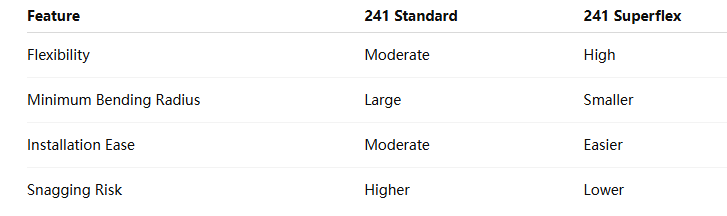
At first glance, Type 241 Superflex cables may look similar to standard Type 241 cables. However, the difference lies in enhanced flexibility and reduced natural bending radius, which is critical for applications where cable loops are narrow or equipment is densely packed.
How Flexibility Impacts Installation in Narrow Cable Loops
Mining operations often involve tight loops in monorail systems, conveyors, and mobile equipment. Standard Type 241 cables can be cumbersome to maneuver in these scenarios, leading to cable snagging, wear, and potential electrical hazards. Type 241 Superflex cables feature:
Finer stranded conductors that allow the cable to bend more easily without compromising electrical performance.
A smaller natural bending radius, making them ideal for installations where space is limited.
This increased flexibility reduces the need for large radii, saving space, preventing snagging, and prolonging cable life.
Minimum Bending Radius and Its Importance
The minimum bending radius is a key specification that dictates how sharply a cable can bend without damaging its insulation or conductor. For Type 241 Superflex cables, the reduced bending radius ensures:
Ease of installation in confined underground tunnels or industrial loops.
Reduced mechanical stress, which minimizes the risk of conductor breakage.
Long-term reliability under repetitive motion scenarios, such as moving monorail or conveyor cables.
Comparing Type 241.1, 241.3, and 241.6 Variants
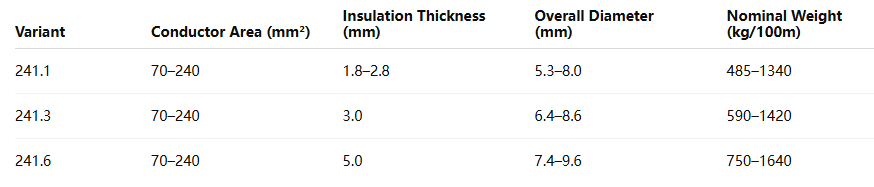
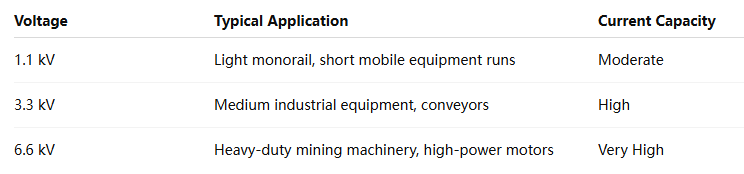
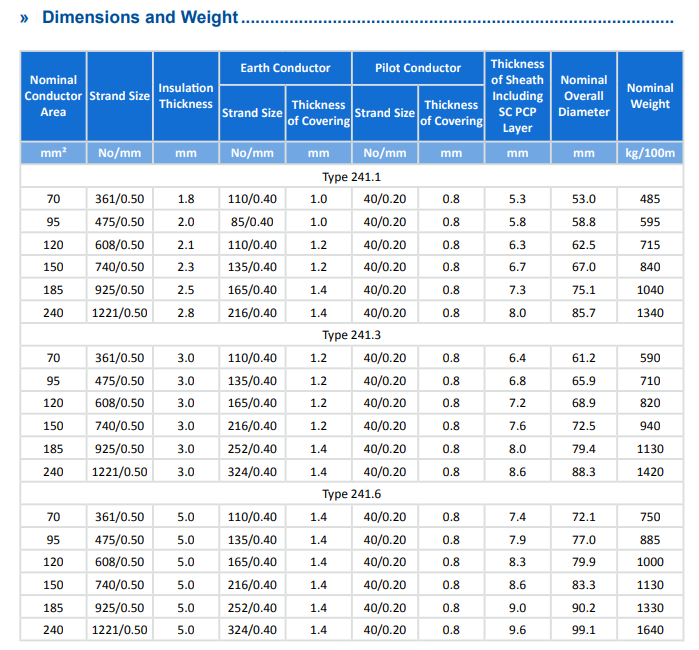
Type 241 Superflex comes in three main variants, differentiated by insulation thickness, conductor size, and voltage rating. Here’s a quick comparison table for reference:
This comparison highlights how 241.6 is designed for higher mechanical and electrical stresses, whereas 241.1 emphasizes ease of installation in tighter loops.
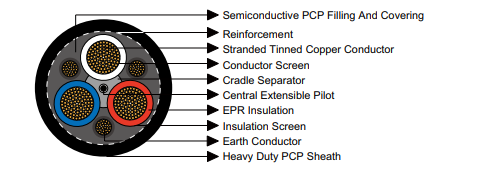
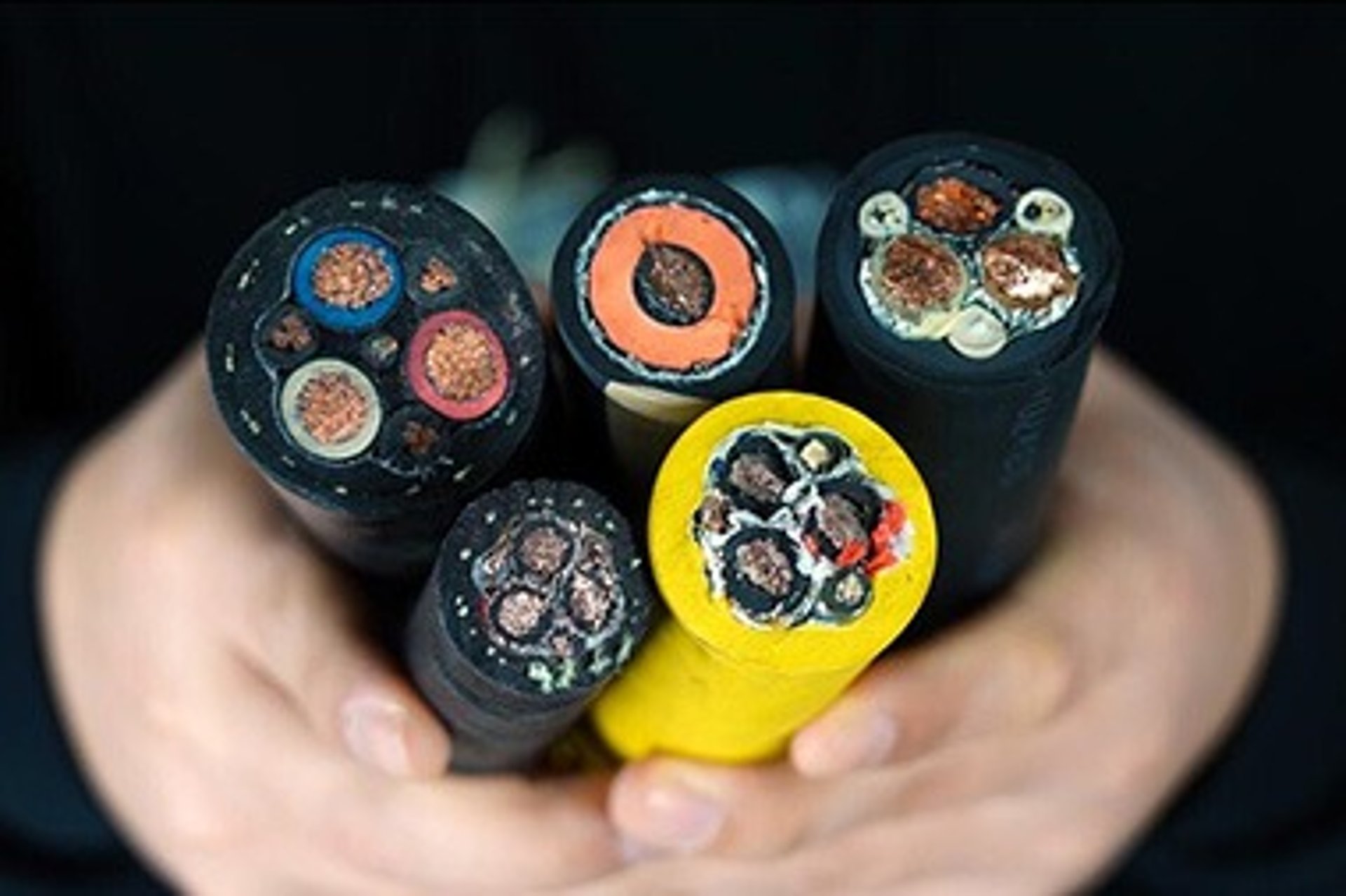
Key Components of Type 241 Superflex Cables
The reliability of Type 241 Superflex cables is a direct result of its carefully engineered components, each contributing to electrical performance and mechanical durability.
Flexible Stranded Tinned Copper Conductors
These conductors are made of highly stranded tinned annealed copper, providing flexibility and corrosion resistance.
The stranded design allows the cable to endure repeated bending, making it ideal for dynamic installations such as mobile mining equipment.
EPR Insulation: High-Performance Dielectric
Ethylene Propylene Rubber (EPR) insulation offers excellent electrical and thermal properties.
It supports voltage ratings from 1.1 kV to 6.6 kV, maintaining performance in both underground and surface conditions.
EPR ensures resistance to heat, chemical exposure, and mechanical stress, key for South African mining environments.
Semiconductive Screens and PCP Layers
Conductor and insulation screens are made from semiconductive compounds, which:
Minimize electrical stress concentrations
Improve long-term insulation reliability
Polymer Cemented Paper (PCP) layers act as cradle separators and overall core screens, enhancing mechanical support and electrical safety.
Textile Reinforcement for Durability
An open-weave braid of textile reinforcement provides additional mechanical strength without sacrificing flexibility.
It helps resist abrasion and impact, which is particularly important in underground mines where cables encounter rocks, machinery, and other harsh conditions.
Sheath Options
Standard: Heavy-duty PCP sheath
Optional: Heavy-duty CPE or CSP sheaths for enhanced resistance to abrasion, chemicals, and UV exposure.
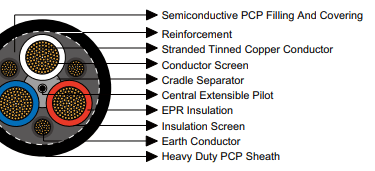
Visual Suggestion: A labeled cross-section showing conductor, insulation, screens, PCP layers, textile reinforcement, and sheath would help readers understand the cable’s construction.
Technical Specifications and Electrical Parameters
Type 241 Superflex cables are available in a wide range of conductor sizes and insulation options, allowing tailored solutions for different mining and industrial needs.
Nominal Conductor Areas and Insulation Thickness
Conductor areas: 70 mm² to 240 mm²
Insulation thickness: 1.8 mm to 5.0 mm, depending on variant (241.1, 241.3, 241.6)
Sheath thickness and overall diameter scale with insulation to provide mechanical protection without compromising flexibility.
Weight and Diameter Considerations
Lightweight cables simplify manual handling and installation.
Heavier variants (like 241.6) offer higher mechanical robustness, suited for long-term industrial applications.
Voltage Rating and Current-Carrying Capacity
This scaling ensures that Type 241 Superflex cables can be selected precisely based on power needs and mechanical requirements, reducing overengineering and cost.
Applications of Type 241 Superflex Cables in South Africa
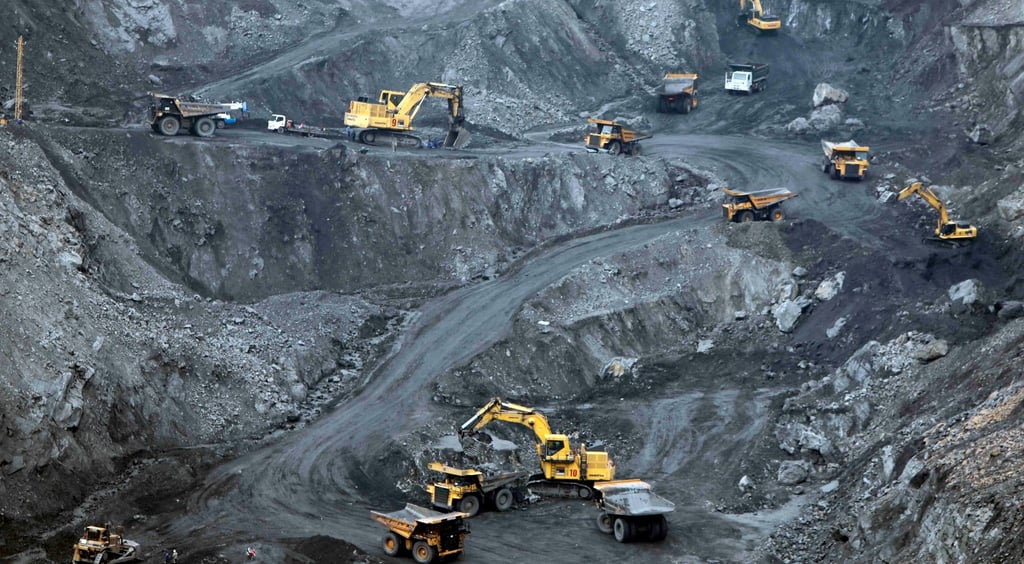
Type 241 Superflex cables shine in multiple mining and industrial scenarios, especially in platinum, gold, and diamond operations.
South African Mining Operations
Platinum mines: Ideal for monorail systems with tight loops.
Gold mines: Used for conveyors and mobile machinery, where flexibility reduces snagging.
Coal and industrial mines: Heavy-duty 241.6 variant supports high-voltage power distribution.
Industrial and Mobile Equipment
Conveyor systems
Mobile crushers
Drilling rigs
Monorails in underground plants
Environmental Factors
Heat: EPR insulation tolerates high ambient and operating temperatures.
Moisture and chemical exposure: PCP and optional CPE/CSP sheaths ensure protection.
Abrasion: Textile reinforcement and heavy-duty sheaths resist wear in harsh underground environments.
Compliance with Standards
AS/NZS Standards
Type 241 Superflex cables adhere to the following:
AS/NZS 1802:2003 – Flame retardancy and mechanical performance
AS/NZS 1125 – Conductor design and insulation
AS/NZS 3808 – Low-voltage performance
AS/NZS 5000.1 – General wiring standards
Importance for South African Operations
Ensures compliance with electrical safety regulations.
Provides confidence in reliability and durability.
Reduces risks of downtime and costly failures in critical mining operations.
Installation Best Practices
Proper installation maximizes performance and lifespan.
Handling and Unrolling
Avoid dragging cables over sharp edges.
Use cable reels with proper support to prevent twisting.
Bending Techniques
Follow manufacturer’s minimum bending radius for each variant.
Avoid tight bends that exceed flexibility limits, particularly in 241.1 and 241.3.
Termination and Connection
Ensure secure terminations using recommended lugs and connectors.
Verify electrical continuity and insulation resistance post-installation.
Comparison with Other Cables
Type 241 Superflex vs Type 241 Standard
Type 241 Superflex vs Type 241-GC/SHD
241-GC: Designed for round portable power, less flexible, heavier.
241-SHD: Heavy-duty, high voltage, suitable for permanent installations; less maneuverable in tight loops.
Superflex advantage: Combines flexibility and sufficient durability for mobile and confined applications.
Frequently Asked Questions (FAQ)
Can these cables be used outdoors?
Yes, especially when equipped with heavy-duty CPE/CSP sheaths for UV and abrasion resistance.Expected lifespan under heavy stress?
10–15 years with proper handling and maintenance.How to identify mechanical or insulation damage?
Inspect for cracks, cuts, discoloration, or unusual resistance readings.Are heavy-duty sheaths necessary?
Only in extreme abrasion or chemical exposure environments.Troubleshooting voltage drop or overheating?
Check conductor size, ambient temperature, and installation loop length.Can these cables be spliced?
Yes, but it requires professional splicing to maintain voltage rating and mechanical integrity; improper splicing risks failure.
South African Case
Platinum Mine: Reducing Cable Snagging
Issue: Monorail loops frequently snagged standard cables.
Solution: Replaced with 241 Superflex 241.1 variant.
Outcome: Improved space utilization and reduced cable damage by 35%.
Gold Mine: Tight Underground Loops
Issue: Mobile equipment loops restricted by rigid cables.
Solution: Installed 241.3 variant with smaller bending radius.
Outcome: Easier installation, fewer maintenance interventions, higher operational uptime.
These cases demonstrate tangible operational and safety benefits in real-world South African mining operations.
Conclusion and Recommendations
Type 241 Superflex 1.1 to 6.6 kV cables are flexible, durable, and compliant, making them an ideal choice for South African mining and industrial applications.
Key benefits:
Reduced bending radius for tight installations
High mechanical and electrical reliability
Compliance with AS/NZS standards
Durable sheaths and reinforcement for harsh conditions
Recommendations:
241.1: Flexible, tight loops, monorails, light to medium current.
241.3: Balanced flexibility and voltage rating, conveyors, medium industrial machinery.
241.6: Heavy-duty, high-voltage applications, long-term underground use.
Contact our South African team for a customized Type 241 Superflex solution for your mine or plant.
Email Address: Li.wang@feichuncables.com
© 2025. All rights reserved.
One-click to Quickly Contact
Products
Contact
Company
Location:
Building A Private Science and Technology Park, Hefei Economic and Technological Development Zone, Anhui Province, China
Heat Resistant Cable
WhatsApp: +86 17333223430
Social Media: