Anhui Feichun Special Cable Co.,Ltd Email: Li.wang@feichuncables.com
Why Choose BS 6708 Type 7 Mining Cable for South Africa’s Toughest Underground Operations?
Discover why BS 6708 Type 7 mining cable is the go-to flexible trailing cable for South African platinum, gold, and coal mines. Explore its robust structure, EPR insulation, chloroprene sheath, electrical parameters, and real-world case studies from Impala Platinum and Kumba Iron Ore.
Li. Wang
11/17/20257 min read
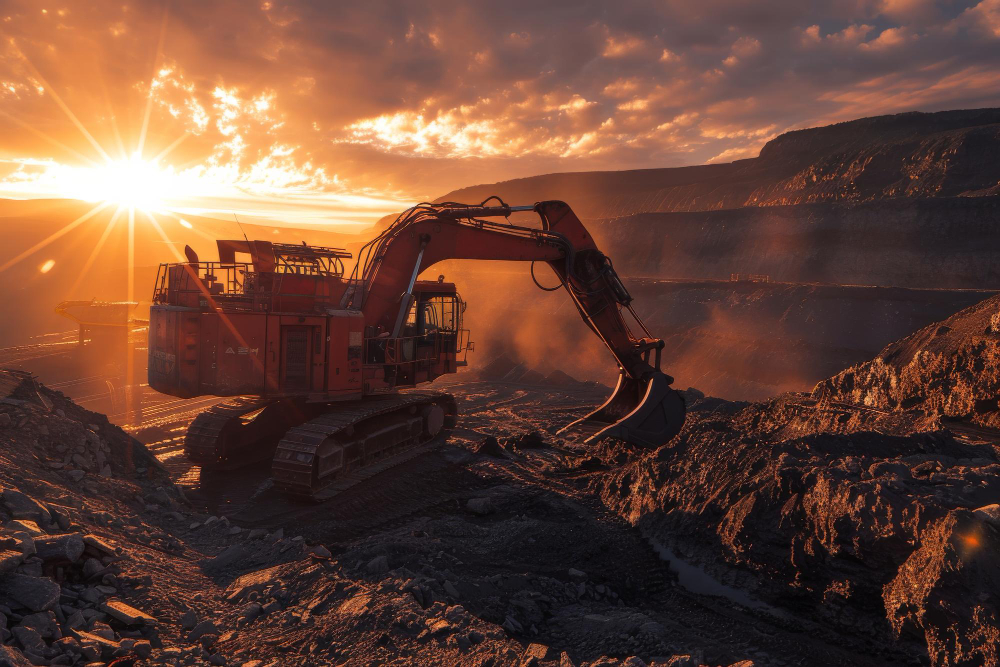
In South Africa’s deep-level mines—where methane hangs in the air like an invisible threat and rockfalls turn every shift into a calculated risk—electrical failure isn’t just downtime; it’s a potential disaster. The BS 6708 Type 7 mining cable stands as a British-engineered lifeline, purpose-built for the punishing realities of underground and surface mining. This flexible trailing cable, governed by British Standard BS 6708, powers everything from coalcutters slicing through seams at 800 metres below ground to massive crushers pulverising ore under the Highveld sun. In a country that extracts over 70% of the world’s platinum and remains a global leader in gold and coal, the BS 6708 Type 7 mining cable isn’t a luxury—it’s non-negotiable infrastructure.
This article dives deep into the BS 6708 Type 7 mining cable, unpacking its anatomy, materials, technical specifications, electrical parameters, applications, and compliance with BS 6708. We’ll ground the theory in South African soil with case studies from Impala Platinum’s Rustenburg shafts and Anglo American’s Kumba Iron Ore pits. By the end, you’ll understand why this cable is the benchmark for safety and reliability in explosive atmospheres.
Structure and Construction: The Anatomy of Reliability
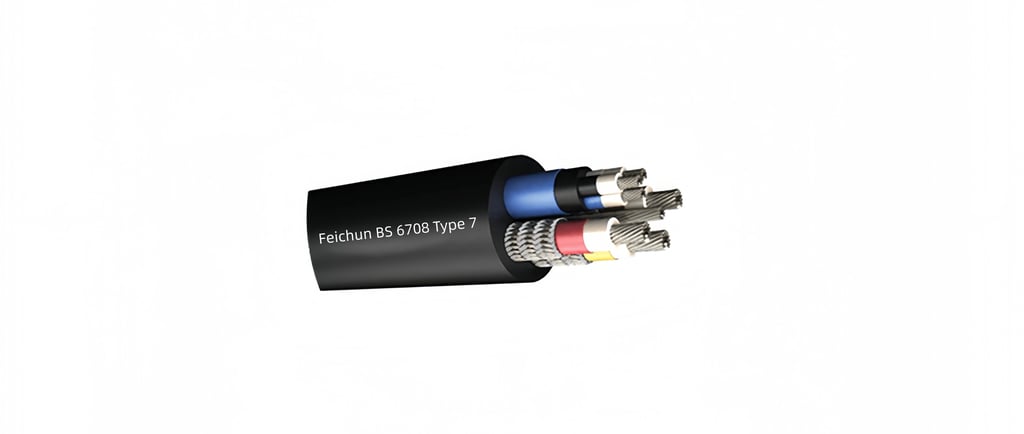
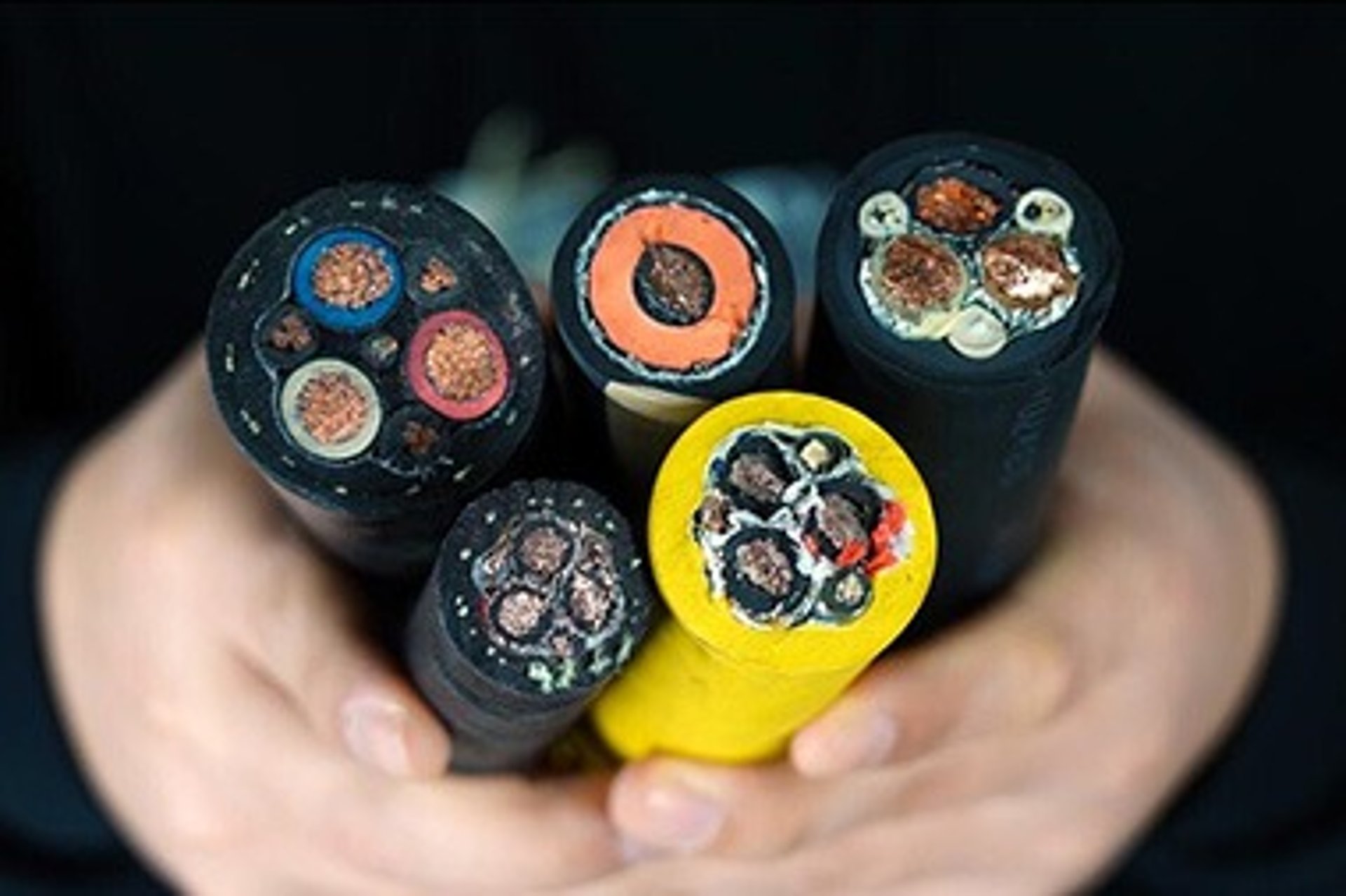
Picture a BS 6708 Type 7 mining cable as a coiled python—flexible yet armoured, ready to strike power through rock and dust. Its construction is a masterclass in layered defence, every component engineered to survive the mechanical brutality of trailing behind a 40-tonne load-haul-dumper.
At the core lie the phase conductors: three electrolytic, stranded, tinned copper wires conforming to IEC 60228 Class 5 flexibility. Take the 3×50+25+25 mm² variant—each phase conductor comprises 396 strands of 0.40 mm tinned copper, yielding a nominal conductor diameter of 9.75 mm. The tin plating isn’t cosmetic; it repels the sulphuric acid dripping from Witwatersrand reef walls and the saline groundwater seeping through Karoo coal measures.
Ethylene Propylene Rubber (EPR) insulation encases each phase conductor, swelling the diameter to 13.60 mm in the same 50 mm² size. EPR laughs at temperature swings from –20 °C in winter Free State nights to 45 °C in Bushveld stopes. The earth conductor—bare and proud—runs centrally, uninsulated by design. In a phase-to-earth fault, current slams through this low-impedance path, tripping the earth-leakage relay before a spark can kiss methane.
A tinned copper and nylon braided screen wraps each phase core, reaching 15.90 mm diameter in the 50 mm² cable. Nylon threads woven into the braid add tear resistance when the cable drags over sharp quartzite. The pilot core, insulated but unscreened, handles control signals—emergency stops, temperature monitoring, or interlocks preventing a drill from operating without ventilation.
All cores twist around the bare earth in a tight helical lay-up, separated by coloured textile tapes—red, white, blue for phases; black for pilot; green/yellow for earth. This identification prevents a sparkie in a dimly lit shaft from cross-phasing during a 2 a.m. repair. A rubber-based bedding compound fills every interstice, blocking water tracking along the cable length even if the outer sheath splits.
Finally, the heavy-duty chloroprene outer sheath—neoprene to the old-timers—jackets the assembly. In the 3×50+25+25 mm² cable, this sheath pushes the minimum overall diameter to 48.5 mm and the maximum to 51.8 mm. Chloroprene shrugs off diesel, hydraulic oil, and the abrasive kiss of kimberlite tailings.
Materials and Their Properties: Engineered for Endurance
Materials in a BS 6708 Type 7 mining cable aren’t chosen by committee—they’re battle-tested. Tinned copper conductors resist the galvanic corrosion that turns ordinary copper green and brittle within months underground. Class 5 stranding—up to 740 strands of 0.50 mm wire in the 150 mm² phase cores—delivers a bending radius as tight as 627 mm in the largest cable, vital when a reel pays out 200 metres behind a continuous miner.
EPR insulation maintains dielectric strength from –25 °C to +90 °C, critical when a cable freezes overnight on a Highveld opencast bench then bakes under a loader’s exhaust. Chloroprene sheath compound meets BS 6708’s oil-resistance test—immersed in IRM 902 oil for 4 hours at 100 °C, it swells less than 25% and retains 60% of tensile strength. In South African platinum mines, where hydraulic hose bursts are routine, this matters.
The tinned copper/nylon screen balances conductivity with toughness. Copper carries fault current; nylon stops the braid unravelling when a rock spalls across it. The rubber bedding compound—vulcanised to stay pliable—absorbs the 50 Hz vibration from a 1,000 kW crusher, preventing fatigue cracks in the EPR.
Technical Specifications: Dimensions and Performance Metrics
BS 6708 Type 7 mining cable spans eight cross-sections, from the compact 3×16+16+16 mm² to the beastly 3×150+70+95 mm². Let’s walk through the 3×70+35+35 mm² size—a workhorse in South African gold mines.
Phase conductors: 360 strands of 0.50 mm tinned copper, 11.60 mm diameter, EPR insulation to 15.70 mm, screened to 18.00 mm. Earth: 276 strands of 0.40 mm bare copper, 8.00 mm diameter. Pilot: 396 strands of 0.40 mm tinned copper, insulated to 17.70 mm. Overall diameter sits between 55.1 mm minimum and 58.8 mm maximum. Approximate weight: 6,200 kg/km—heavy, but every kilogram earns its keep in durability.
Minimum bending radius is 470 mm—tight enough to loop around a reel flange yet safe for repeated flexing. Maximum pulling tension hits 1,680 kgf; exceed that and you risk stretching the copper strands. Copper content clocks in at 3,190 kg/km, a figure that makes procurement managers wince but keeps I²R losses low over 500-metre runs.
Smaller cables like the 3×25+16+16 mm² weigh 2,950 kg/km and bend to 343 mm radius—perfect for shuttle cars darting through 1.8-metre coal seams. The largest, 3×150+70+95 mm², tips the scales at 11,500 kg/km and demands a 627 mm bending radius, reserved for the 2.5 MW draglines on Mpumalanga coal benches.
Electrical Parameters: Power Delivery and Safety Essentials
Electrical performance is where the BS 6708 Type 7 mining cable earns its safety stripes. Rated voltage is 640/1100 V—640 V phase-to-phase for three-phase motors, 1100 V phase-to-earth for fault tolerance. A 3 kV test voltage for one minute guarantees no insulation breakdown even when a roof bolt punctures the sheath.
Continuous current rating at 25 °C ambient for the 3×70+35+35 mm² cable is 205 A; intermittent rating climbs to 250 A for 30-minute bursts—think a loader sprinting to dump before cooling. DC resistance of the phase conductor is 0.277 Ω/km at 20 °C; warm it to 90 °C and it rises to 0.363 Ω/km. Voltage drop at full load: 0.61 mV/A/m—over a 300-metre run, that’s just 37 V drop, keeping a 525 kW motor humming.
The pilot conductor resistance matches the earth in smaller sizes (1.24 Ω/km for 16 mm²), ensuring reliable control circuits. Combined resistance of three screens plus earth in parallel drops to 0.30 Ω/km in the 70 mm² cable—fault current finds the shortest path home, tripping the 300 mA earth-leakage unit in milliseconds.
Insulation resistance minima range from 435 MΩ·km in the 16 mm² cable to 250 MΩ·km in larger sizes—measured at 20 °C with 500 V DC. Reactance at 50 Hz is 0.095 Ω/km for the 70 mm² size; at 60 Hz (rare but possible with imported equipment), it nudges to 0.114 Ω/km.
Applications in Mining: From Coalcutters to Crushers
In South Africa, BS 6708 Type 7 mining cable powers the machines that keep the rand flowing. Underground, a Joy 12CM continuous miner in a Mpumalanga bord-and-pillar coal section trails 180 metres of 3×95+50+50 mm² cable, flexing 20,000 cycles per month without fatigue. On surface, Kumba’s Sishen iron ore pit reels 300 metres of 3×120+50+70 mm² behind a P&H 4100 shovel, the chloroprene sheath shrugging off 50 km/h gusts laden with hematite dust.
The cable’s explosive-atmosphere pedigree shines in gassy collieries. When a coalcutter’s pick strikes pyrites, the spark stays inside the screened phase cores. Water from a fractured aquifer? The bedding compound and EPR insulation keep conductivity at bay. A 2019 trial at Exxaro’s Grootegeluk mine replaced PVC-sheathed cables with BS 6708 Type 7; cable-related trips fell 68% in six months.
Case Studies: Real-World Implementations with South African Focus
Impala Platinum, Rustenburg
In 2021, Impala Platinum’s 14 Shaft faced chronic cable failures at 1,200 metres depth. Methane levels hovered at 1.2%, and abrasive UG2 reef shredded PVC sheaths in weeks. Engineers specified BS 6708 Type 7 3×70+35+35 mm² cable for the Sandvik LH514 loaders. After 18 months, zero insulation failures were recorded—versus 14 with the previous cable. Downtime dropped from 42 hours per month to 6, adding 1,800 tonnes of refined platinum to annual output.
Anglo American Kumba Iron Ore, Sishen
Kumba’s mammoth shovels at Sishen run 24/7 under UV indices that melt lesser compounds. In 2020, they trialled 3×150+70+95 mm² BS 6708 Type 7 cable on a Caterpillar 7495 rope shovel. The chloroprene sheath withstood 18 months of 40 °C heat and 2-mm hematite grit abrasion. Cable life doubled from 9 to 18 months, saving R18 million in replacements and lost production.
Frequently Asked Questions (FAQ)
Q1: Why is the earth conductor uninsulated in BS 6708 Type 7 mining cable?
Uninsulated earth ensures instantaneous fault detection. A phase-to-earth fault creates a dead short through the bare copper, tripping protection in under 50 ms—faster than any spark can ignite methane.
Q2: Can BS 6708 Type 7 cable handle wet conditions in South African gold mines?
Absolutely. Chloroprene resists acid mine water (pH 2.5); EPR insulation and rubber bedding block tracking. At Moab Khotsong, cables submerged for 72 hours showed zero conductivity increase.
Q3: How do I size the cable for a 750 kW continuous miner at 400 m run?
For 750 kW at 640 V, full-load current is ~850 A. Split across two parallel 3×150+70+95 mm² cables (320 A continuous each), voltage drop stays under 3%. Factor 1.25 for 40 °C ambient derating.
Q4: Is the pilot core necessary if I only need power?
In South Africa, SANS 10228 mandates pilot cores for earth-leakage monitoring and emergency stop. Skipping it risks non-compliance and failed inspections.
Q5: What’s the reel bending radius for the 3×95 mm² cable?
Minimum fixed bend is 529 mm; for dynamic reeling, use 10× overall diameter—620 mm—to hit 50,000 cycles without fatigue.
Conclusion
The BS 6708 Type 7 mining cable isn’t just wire—it’s engineered survival. From the tinned Class 5 conductors that flex without breaking to the chloroprene sheath that laughs at acid water and UV, every detail serves South Africa’s deep mines and vast pits. Impala Platinum and Kumba Iron Ore prove it: specify BS 6708 Type 7, and you’re not just buying cable—you’re buying uptime, safety, and the confidence to send teams 1,500 metres underground knowing the power won’t fail them.
Email Address: Li.wang@feichuncables.com
© 2025. All rights reserved.
One-click to Quickly Contact
Products
Contact
Company
Location:
Building A Private Science and Technology Park, Hefei Economic and Technological Development Zone, Anhui Province, China
Heat Resistant Cable
WhatsApp: +86 17333223430
Social Media: