Anhui Feichun Special Cable Co.,Ltd Email: Li.wang@feichuncables.com
Why is PLANOFLEX NGFLGOEU the perfect choice for low-voltage flat cables in festoon systems across South Africa?
Explore the PLANOFLEX NGFLGOEU low voltage flat cable for festoon applications – a robust solution featuring advanced structure, durable materials, precise technical specifications, reliable electrical parameters, versatile applications, and compliance with standards, tailored for South Africa's demanding industries like mining and ports.
Li.Wang
11/24/20258 min read
Introduction to PLANOFLEX NGFLGOEU Low Voltage Flat Cable
In the heart of South Africa's bustling industrial landscape, where machinery hums relentlessly in mines, ports, and factories, the need for reliable cabling cannot be overstated. But what exactly makes the PLANOFLEX NGFLGOEU low voltage flat cable stand out as a powerhouse for festoon applications? This flexible, low-voltage power and control cable is engineered specifically for festoon systems and for linking movable components in machine tools, material handling gear, and similar setups that endure high mechanical stresses and repeated bending in a single plane.
At its core, the PLANOFLEX NGFLGOEU is designed to thrive in environments where ordinary cables would falter. It offers exceptional resistance to mechanical wear, allowing it to bend frequently without compromising performance. This makes it ideal for applications involving constant motion, such as overhead trolleys or crane systems. Key benefits include its ability to handle harsh conditions like dust, humidity, and temperature fluctuations, which are all too common in our local settings. For instance, its flat profile ensures smooth gliding in festoon setups, reducing wear and extending service life.
In South Africa, where industries like mining in the Witwatersrand basin or container handling at Durban Port face extreme operational demands, this cable plays a pivotal role. Our mining sector, which contributes significantly to the GDP, relies on robust cabling to power underground equipment amid vibrations and abrasive dust. Similarly, in ports grappling with salty sea air and heavy loads, the PLANOFLEX NGFLGOEU enhances reliability, minimising downtime that could cost thousands in lost productivity. By delving deeper into its structure, materials, and specs, we'll uncover why it's a go-to choice for engineers across the Rainbow Nation, ensuring safety, efficiency, and longevity in festoon applications.
Structure and Design Features
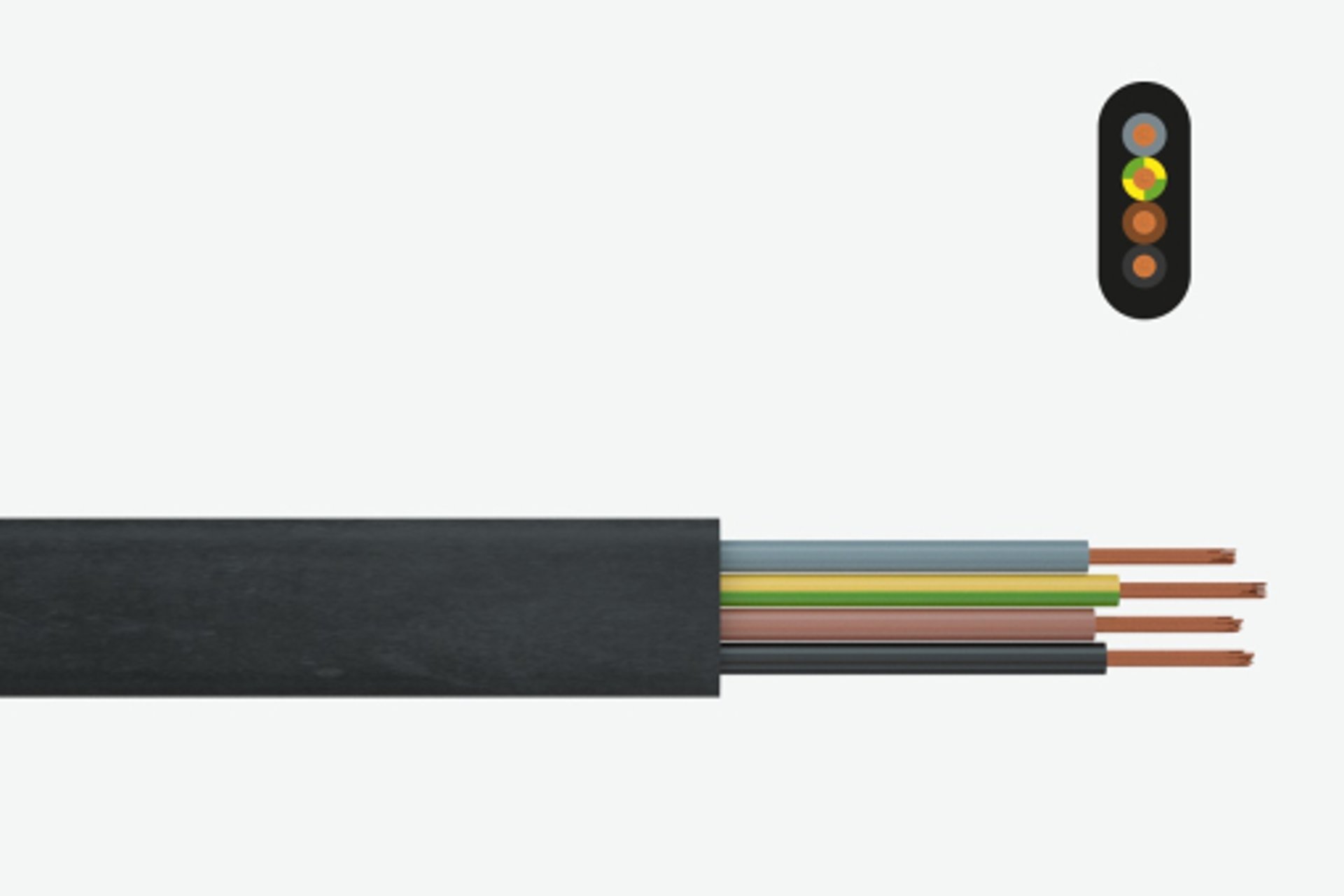
The PLANOFLEX NGFLGOEU low voltage flat cable for festoon applications boasts a meticulously engineered structure that prioritises flexibility and durability. Starting with the conductor configuration, it utilises electrolytic copper that is not tinned, providing superior conductivity while maintaining pliability. For cross-sections up to 25 square millimetres, the conductors are extremely finely stranded in class 6, which means they consist of numerous thin wires twisted together for maximum flexibility. For larger sizes above 35 square millimetres, it shifts to class 5 stranding, still finely stranded but optimised for handling higher currents without sacrificing bendability.
Insulation is another critical layer, made from PROTOLON, an ethylene propylene rubber-based compound classified as 3GI3 according to DIN VDE 0207 Part 20. This insulation wraps each conductor tightly, offering excellent dielectric strength and thermal resistance. The core arrangement is parallel for most variants, which suits the flat cable design perfectly, allowing it to flex in one plane without twisting. In versions with more than 12 cores, they are grouped into parallel bundles to maintain the flat profile and prevent internal shifting during movement.
Core identification is straightforward and user-friendly: for up to five cores, colours include green/yellow for the protective earth (or black in the -O version without earth), along with black, blue, brown, and grey. For higher core counts, black cores with white numbers ensure easy tracing during installation or maintenance. Screening options elevate its performance in noisy environments; individually screened cores feature braid screens of tinned copper wires, with about 60 percent coverage for single shielded cores and up to 80 percent for twisted pairs. This setup is optimised for low transfer impedance at 30 megahertz, effectively shielding against electromagnetic interference that could disrupt control signals in industrial automation.
The outer sheath, crafted from chloroprene rubber (CR) in a 5GM3 compound per DIN VDE 0207 Part 21, is black and provides the final layer of protection. Its flat design is key for festoon applications, as it allows the cable to stack or roll neatly without kinking. Variants include the standard NGFLGOEU-J with an earth conductor, the -O without, and specialised types like those with individually screened cores for enhanced EMI protection or bus cables for data transmission. For example, the 4x(2x1)C variant features paired cores with screening, ideal for bus systems in control setups.
This thoughtful design ensures the cable can withstand the rigours of South African operations, where equipment in places like Cape Town's shipyards or Gauteng's assembly lines demands cables that bend reliably without failure.
Properties
The excellence of the PLANOFLEX NGFLGOEU low voltage flat cable for festoon applications lies in its carefully selected materials, each contributing to its robustness and longevity. The conductor is made from high-purity electrolytic copper, renowned for its outstanding electrical conductivity – typically around 58 million siemens per metre – and inherent flexibility. Untinned to avoid unnecessary stiffness, this copper resists fatigue from repeated bending, a common issue in festoon systems where cables might cycle thousands of times daily.
Insulation employs ethylene propylene rubber (EPR), specifically the PROTOLON 3GI3 compound, which excels in thermal stability. It can operate continuously at conductor temperatures up to 90 degrees Celsius, with short-circuit tolerance reaching 250 degrees Celsius. EPR's properties include high resistance to heat, chemicals, and ageing, making it perfect for South Africa's variable climates, from the arid Kalahari to the humid KwaZulu-Natal coast. This material also provides excellent electrical insulation, with low dielectric loss, ensuring minimal energy waste in power transmission.
The outer sheath uses chloroprene rubber (CR) in a 5GM3 formulation, which is tough against mechanical abrasion, oil, ozone, ultraviolet radiation, and moisture. In South African contexts, where cables might be exposed to intense sunlight in open-pit mines or salty mists in coastal ports, CR's weather resistance allows unrestricted outdoor and indoor use. It's flame-retardant and self-extinguishing, adding a safety layer in hazardous areas.
For screened variants, tinned copper braids form the shielding, offering corrosion resistance due to the tin coating while providing effective electromagnetic compatibility. The braid's dense weave minimises interference, crucial in automated systems with variable frequency drives.
Environmentally, these materials align with DIN VDE standards, promoting low halogen content for reduced toxicity in fires and facilitating recyclability. In South Africa, where sustainability is increasingly prioritised under regulations like the National Environmental Management Act, this cable supports green initiatives in industries aiming to lower their carbon footprint through durable, long-lasting products.
Technical Specifications
Diving into the technical specifications of the PLANOFLEX NGFLGOEU low voltage flat cable for festoon applications reveals a product fine-tuned for precision and reliability. Dimensional details vary by configuration; for a 3x1.5 square millimetre control cable, the conductor diameter is up to 1.5 millimetres, with minimum and maximum heights for the flat profile at 5.7 and 6.2 millimetres, and widths from 11.7 to 12.5 millimetres. Scaling up, a 4x120 square millimetre power cable expands to heights of 24.2 to 27.2 millimetres and widths of 79.2 to 83.2 millimetres, maintaining the flat shape essential for festoon gliding.
Mechanically, the cable supports a maximum tensile load of 15 newtons per square millimetre on the conductor, preventing stretch damage during pulls. The minimum bending radius follows DIN VDE 0298 Part 3 guidelines; for free-moving scenarios, it's as low as 19 millimetres for smaller variants like 3x1.5, rising to 136 millimetres for larger ones like 4x120. Travel speeds in festoon systems are rated up to 180 metres per minute, though consulting the manufacturer is advised for higher velocities to ensure longevity.
Thermal specs are robust: the conductor can handle up to 90 degrees Celsius continuously, with ambient temperatures ranging from minus 50 to plus 80 degrees Celsius for fixed installations and minus 35 to plus 80 for flexible operations. This wide range suits South Africa's extremes, from frosty Free State winters to scorching Northern Cape summers.
Weights and load capacities are practical; a 4x1.5 square millimetre cable weighs approximately 170 kilograms per kilometre with a permissible tensile force of 90 newtons. Larger options, like 4x95, weigh around 4930 kilograms per kilometre and handle up to 5700 newtons. Additional bending tests confirm durability, simulating repetitive motions to guarantee performance in real-world festoon cycles.
These specs ensure the cable integrates seamlessly into systems, offering engineers in South Africa the confidence to deploy it in high-demand scenarios without frequent replacements.
Electrical Parameters
The electrical parameters of the PLANOFLEX NGFLGOEU low voltage flat cable for festoon applications are calibrated for safe, efficient power delivery. Rated at 300/500 volts (up to 600 volts maximum), it supports alternating current operating voltages up to 0.7/1.2 kilovolts and direct current up to 0.9/1.8 kilovolts, making it versatile for both power and control circuits.
Testing rigor includes an alternating current test voltage of 2.5 kilovolts applied for five minutes, verifying insulation integrity. Current carrying capacity, per DIN VDE 0298-4, is impressive; for 1.5 square millimetre cores installed free in air at 30 degrees Celsius ambient, it handles 24 amperes. Larger cores scale accordingly, with 120 square millimetre variants carrying up to 370 amperes.
Conductor resistance at 20 degrees Celsius is low, such as 13.3 ohms per kilometre for 1.5 square millimetres, dropping to 0.16 ohms per kilometre for 120 square millimetres, minimising voltage drop over lengths. Short-circuit currents are rated, for example, 0.21 kiloamperes for 1.5 square millimetres, ensuring the cable can withstand faults without melting.
Chemically, it's oil-resistant according to DIN VDE 0473-404 Paragraph 10, and weatherproof against ultraviolet, ozone, and moisture, ideal for South Africa's outdoor exposures. These parameters collectively ensure stable performance, reducing risks in festoon systems where electrical reliability is paramount.
Applications
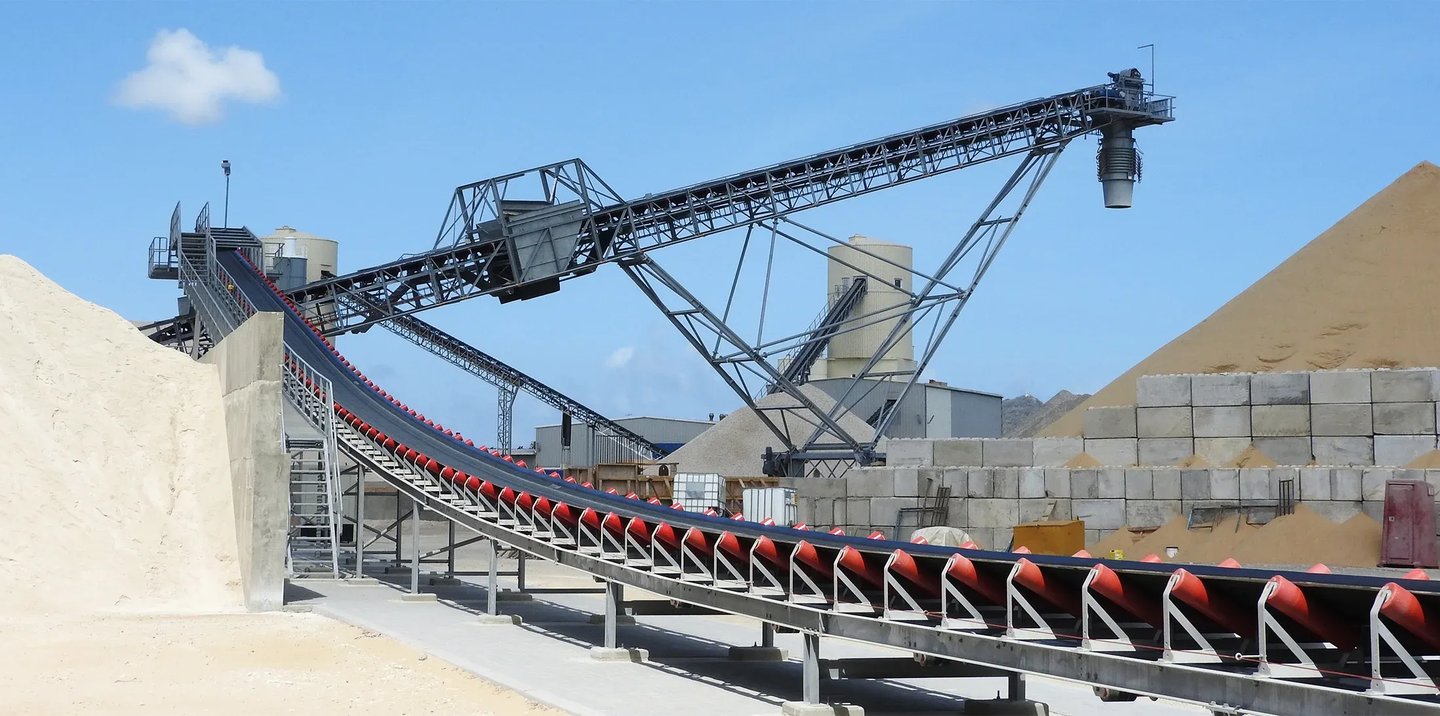
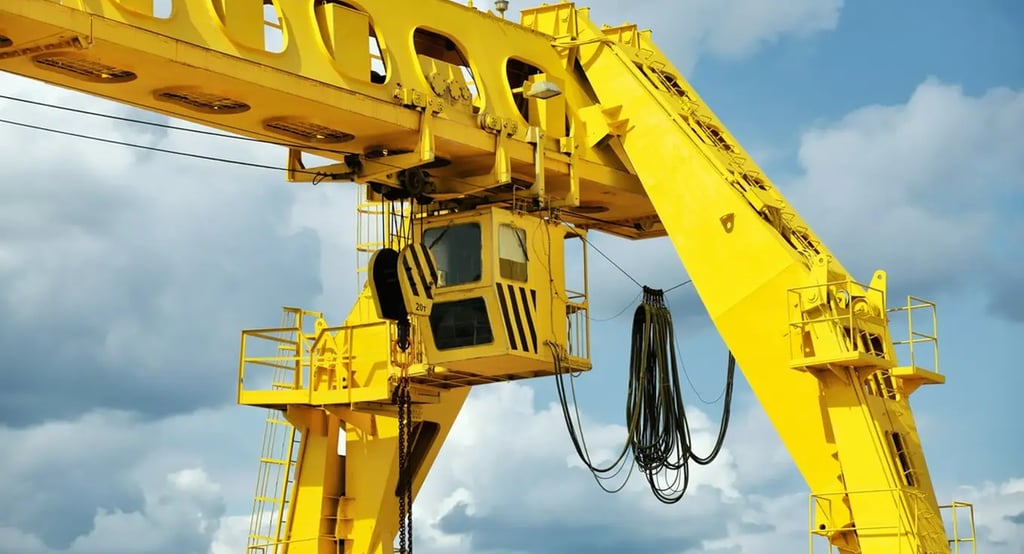
The PLANOFLEX NGFLGOEU low voltage flat cable shines in festoon applications, powering and controlling movable parts in high-stress setups like cranes, conveyors, and machine tools. Its flat design excels in one-plane bending, perfect for overhead festoon trolleys where cables loop and extend repeatedly.
In ports, it's used for ship-to-shore cranes handling containers. In mining, it connects underground trolleys and hoists. Manufacturing benefits from its integration in automated lines, ensuring smooth operation amid vibrations.
South African case studies highlight its impact. In Durban Port, a major upgrade to container handling systems incorporated PLANOFLEX NGFLGOEU cables in festoon setups for rubber-tyred gantry cranes. Facing humid, dusty conditions, the cables reduced downtime by 25 percent, as their oil and moisture resistance prevented failures that plagued older round cables. This led to smoother operations, boosting throughput in one of Africa's busiest ports.
In Johannesburg's mining operations, particularly in gold mines, the cable was deployed for underground festoon cabling on overhead monorails. Extreme temperatures and mechanical stresses were mitigated by its thermal range and bending endurance, enhancing safety by minimising electrical faults. A study by a local engineering firm noted a 30 percent increase in efficiency, with fewer maintenance halts, underscoring its value in our resource-heavy economy.
Standards, Certifications, and Compliance
Compliance is a cornerstone of the PLANOFLEX NGFLGOEU. It adheres to DIN VDE 0250-809 for overall design, with material compounds referencing DIN VDE 0207 Parts 20 and 21. Certifications include VDE marking, UL-File E 113313 for North American compatibility, and GOST-R for broader markets.
In South Africa, it aligns with SANS standards for electrical safety, ensuring suitability for hazardous locations under the Occupational Health and Safety Act. Marking includes voltage, temperature, and outdoor ratings, like "600V, 90°C, (UL), OUTDOOR."
Globally, it meets IEC norms, with local adaptations for our regulations, making it a trusted choice for exports and domestic use.
Frequently Asked Questions (FAQ)
What makes this cable suitable for festoon applications in South Africa?
Its flat design and high bending endurance tackle the rigorous demands of our ports and mines, resisting dust, humidity, and mechanical stress for reliable performance.
How do I select the right core size and screening?
Match core size to load using current carrying capacities – e.g., 1.5 mm² for 24 A – and add screening for EMI-prone areas like automated factories.
What are the installation guidelines?
Observe minimum bending radii, stay within tensile limits of 15 N/mm², and consult manufacturers for speeds over 180 m/min to avoid premature wear.
Is it resistant to South Africa's harsh weather?
Absolutely; its CR sheath withstands UV, ozone, and moisture, suiting our diverse climates from coastal rains to inland heat.
How does it compare to round cables?
It excels in one-plane bending for festoons but avoids torsion; pros include easier gliding, cons are limited multi-plane flexibility.
Conclusion
The PLANOFLEX NGFLGOEU low voltage flat cable for festoon applications embodies versatility, durability, and compliance, making it indispensable in demanding environments. Looking ahead, advancements in bio-based materials could elevate its performance for South Africa's renewable energy sector, like solar farms in the Northern Cape, promising even greater sustainability and efficiency.
Email Address: Li.wang@feichuncables.com
© 2025. All rights reserved.

One-click to Quickly Contact
Products
Contact
Company
Location:
Building A Private Science and Technology Park, Hefei Economic and Technological Development Zone, Anhui Province, China
Heat Resistant Cable
WhatsApp: +86 17333223430
Social Media: