Anhui Feichun Special Cable Co.,Ltd Email: Li.wang@feichuncables.com
Why Is SANS 1520 Type 66 / 66‑ECC 3.8/6.6 kV Mining Cable the Go‑To Flexible Trailing Solution for South African Draglines, Shovels and Drills in Harsh Open‑Pit and Underground Operations?
SANS 1520 Type 66 and 66‑ECC cables are the certified, standard‑set medium‑voltage trailing cables designed specifically for South Africa’s mining industry. This detailed guide explains their engineering design, material science, performance benefits, application range, technical specifications, selection process, procurement strategy, and why Feichun cables are fully equivalent, cost‑effective alternatives meeting all SANS and Mine Health & Safety Act requirements.
Li Wang
5/27/202620 min read
Introduction
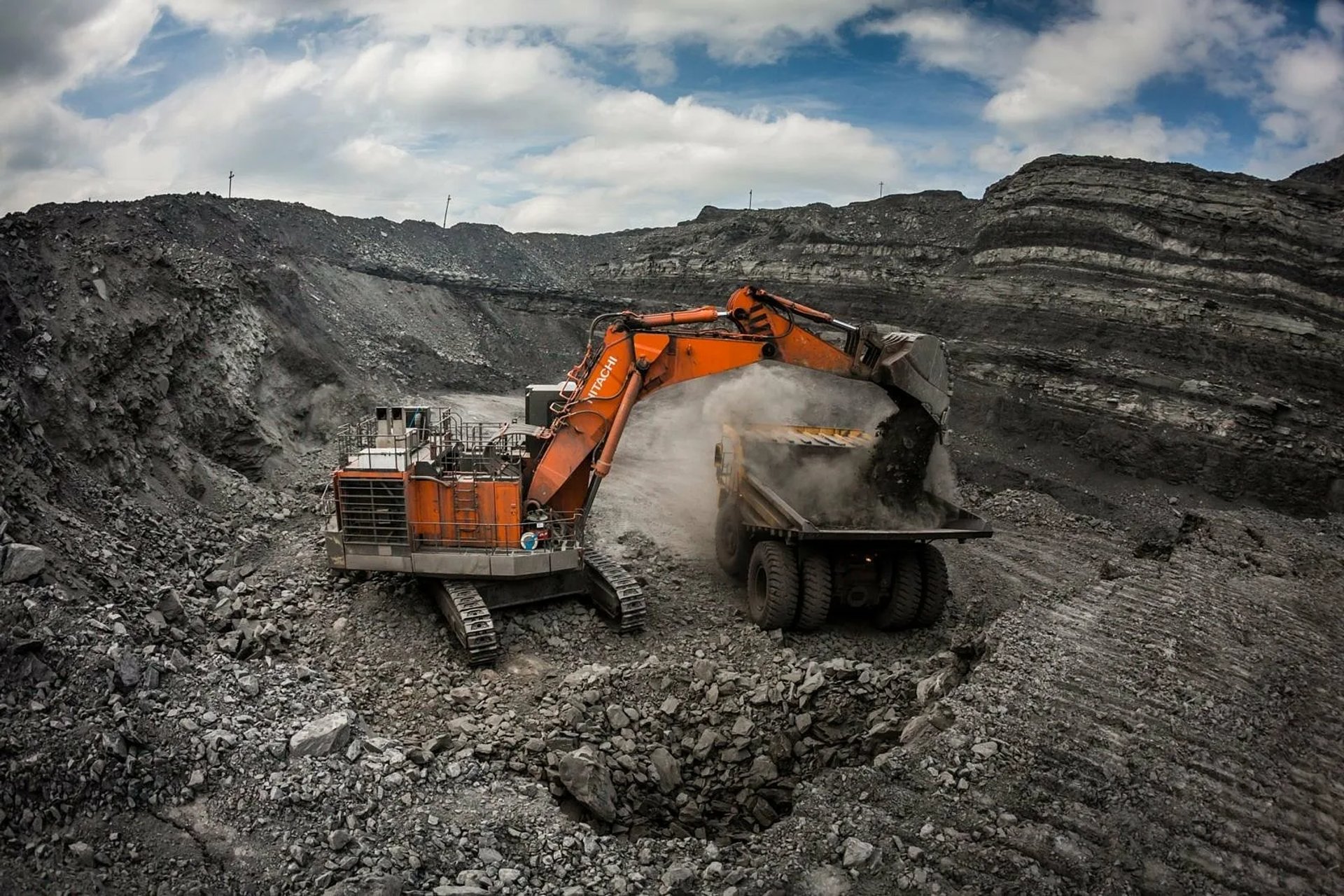
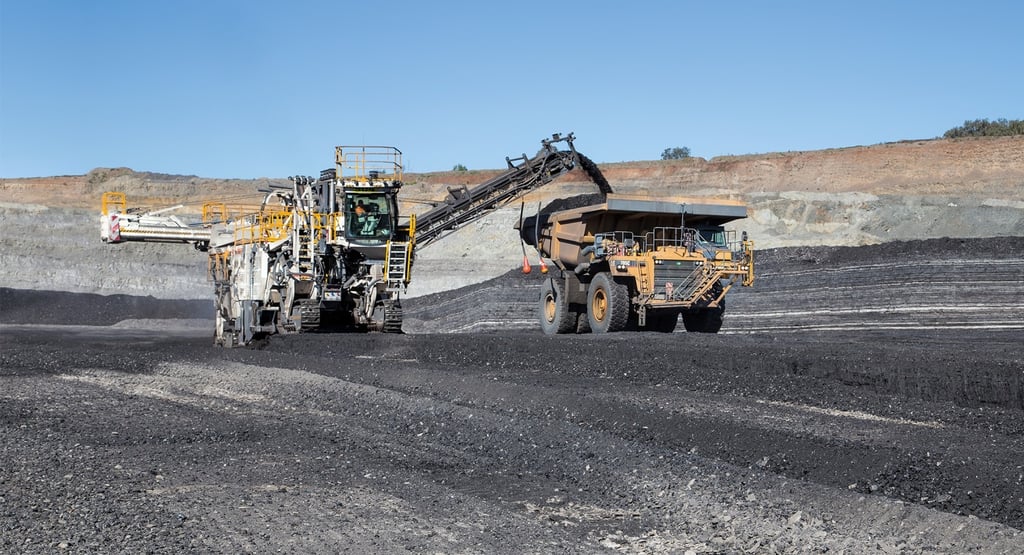
South Africa stands as one of the world’s most mineral‑rich nations, with mining operations spread across vast open‑pit coalfields in Mpumalanga and Limpopo, deep platinum and gold mines in North West and Gauteng, and diamond and iron ore sites in the Northern Cape and Free State. Whether extracting platinum group metals, coal, gold, or diamonds, almost every mine relies on heavy mobile machinery — draglines stripping overburden, electric shovels loading ore, rotary drills creating blast holes, and mobile substations feeding power across the site. All these machines share one critical requirement: a reliable, durable, and safe power supply cable that can move with them every single day, under the most punishing conditions on earth.
This is exactly where SANS 1520 Type 66 / 66‑ECC 3.8/6.6 kV Mining Cable comes in. It is not just another cable type; it is the de facto industry standard and legally approved solution specified in SANS 1520‑2, recognised by the South African Bureau of Standards (SABS) and compliant with the Mine Health and Safety Act (MHSA) 29 of 1996. Engineers, procurement teams, and mine managers choose it because it was built exclusively for South African mining — not adapted from industrial or general‑purpose cables. Over decades, it has proven itself capable of surviving constant dragging, bending, twisting, exposure to extreme temperatures, direct sunlight, rain, dust, oil, and even explosive atmospheres, while delivering consistent power and ensuring operator safety.
This article explains in detail why this cable is the preferred choice, how it works from an engineering and materials perspective, where it is used across the country, how to select the right configuration, how to purchase it, and why Feichun cables offer a fully certified, high‑quality alternative with better value and faster delivery.
Why SANS 1520 Type 66 / 66‑ECC Was Designed Specifically for Mining
To understand why this cable is so successful, we first need to understand the environment it operates in — and why standard cables simply fail here.
The Unique Challenges of Mining Power Distribution
In South African mines, power distribution is very different from factory or commercial installations.
Mechanical abuse: A dragline or shovel may travel 50–500 metres per shift, with the cable dragged over rock, soil, and steel, reeled in and out dozens of times daily, twisted by machine movement, and sometimes run over by heavy vehicles. Standard fixed cables become brittle, crack, or snap within weeks.
Extreme weather: Open‑pit mines experience temperatures from well below freezing in winter nights up to over 45 °C in summer, plus intense ultraviolet radiation, heavy thunderstorms, and wind‑blown abrasive dust. Underground, conditions are humid, wet, and chemically aggressive.
Safety hazards: Many areas are classified as hazardous — Zone 1 or 2 for explosive gases, Zone 21 or 22 for combustible dust. Any fault in the power system must be contained instantly, with no risk of sparking or insulation failure. The MHSA enforces strict rules: cables must not only work well but also be safe by design.
Voltage level: Almost all medium‑voltage mobile equipment in South Africa runs on 6.6 kV, a national standard established to balance transmission efficiency and equipment cost. No other voltage level is as widely used, which makes 3.8/6.6 kV the perfect rating — U₀ = 3.8 kV (phase‑to‑earth), U = 6.6 kV (phase‑to‑phase) — matching exactly the system voltage.
Built‑In Purpose: Not Adapted, But Created
SANS 1520‑2, the standard governing Type 66, was written specifically to solve these problems. Unlike cables designed for fixed installation, or imported types modified for mining, Type 66 starts with flexibility and durability as core requirements, then adds electrical performance and safety.
There are two main variants:
Type 66: Standard construction: 3 power cores + 3 pilot cores. The pilot cores carry control signals, interlocks, and monitoring data.
Type 66‑ECC: Enhanced safety version: 3 power cores + 2 pilot cores + 1 dedicated Earth Continuity Conductor (ECC). This is the most widely specified type today, because it guarantees a low‑resistance path to earth at all times — a requirement in almost all underground and high‑risk surface operations.
The difference may sound small, but in engineering terms, the ECC is a game‑changer. In a fault condition — for example, if insulation is damaged — the ECC ensures fault current flows instantly back to the source, triggering protection devices within milliseconds, keeping touch voltage below safe limits (under 50 V), and preventing dangerous sparking. This is why the Department of Mineral Resources and Energy and mine safety authorities recognise 66‑ECC as the safest available option.
Alignment with National Standards and Regulations
South Africa has one of the strictest regulatory frameworks for mining safety globally. For a cable to be legally used, it must meet:
SANS 1520‑2: Defines construction, dimensions, materials, electrical and mechanical performance.
SANS 1411‑1: Specifies conductor materials and stranding.
SANS 1411‑3: Defines rubber and elastomer compounds — insulation, sheaths, fillers.
Mine Health and Safety Act: Requires certification and traceability; non‑compliant products are prohibited and cannot be used in any mine.
Type 66 / 66‑ECC is the only cable type fully compliant with all these requirements. It is tested and certified by the South African Bureau of Standards (SABS), and listed in the Mine Safety Regulatory Scheme (MRS). This compliance is not optional; it is the reason why every major mining group — including Anglo American, BHP, Sibanye‑Stillwater, and Exxaro — specifies this exact type across their operations.
Why It Is the Core Product in South African Mines
If you walk through any mine site in South Africa, from the coalfields of Mpumalanga to the platinum mines of Rustenburg, you will see this cable everywhere.
It is the standard power feed for medium‑sized draglines — the workhorses moving millions of tonnes of overburden per month.
It powers electric shovels loading ore onto trucks or conveyors.
It feeds rotary drills that prepare blast holes up to 30 metres deep.
It connects mobile substations to distribution points, moving as the mine expands.
It is used underground on continuous miners, roadheaders, and longwall equipment, where safety is non‑negotiable.
The simple truth is: there is no other product that balances flexibility, electrical performance, mechanical strength, weather resistance, and regulatory compliance so perfectly. That is why it is called the core power distribution product of South African mining.
Engineering Principles: How It Works and Why It Does Not Fail
To understand its reliability, we must look at how it is built — layer by layer — and how each component solves a specific problem. The design follows a clear engineering philosophy: each layer has a function, and together they create a system that is stronger, safer, and more durable than the sum of its parts.
Layer‑by‑Layer Construction and Function
Conductor: Class 5 Tinned Annealed Copper
At the heart are three power conductors, plus pilot cores and the ECC where applicable.
Material: High‑purity copper, annealed for maximum ductility and conductivity (≥ 98 % IACS).
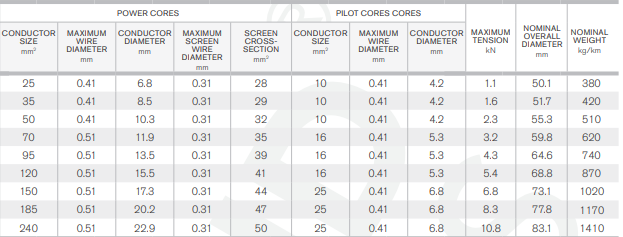
Stranding: Class 5 construction — made of many fine wires, each ≤ 0.51 mm diameter, twisted together in multiple layers. This is the key to flexibility. A solid or rigid conductor would snap after a few bends; Class 5 can bend millions of times without fatigue.
Tinning: Every strand is coated with a thin layer of tin. This does two important things: it prevents copper from oxidising or corroding in humid or acidic environments, and it improves adhesion between the copper and the rubber insulation, eliminating air gaps that could cause electrical stress or partial discharge.
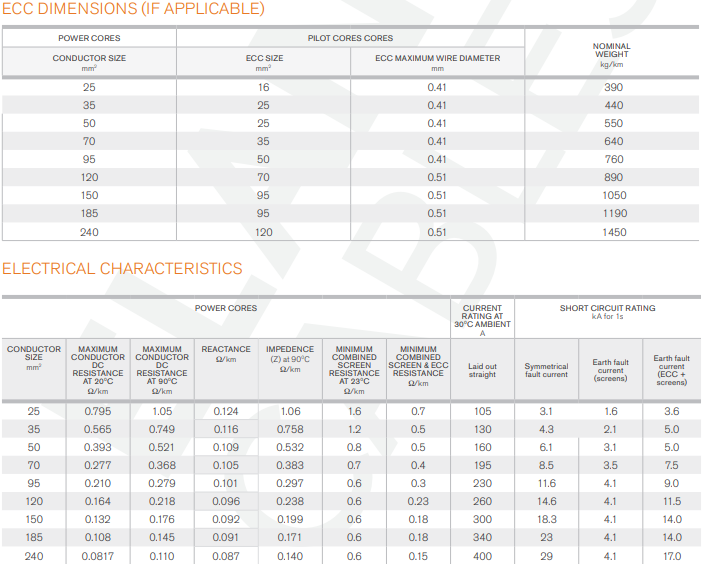
From an electrical perspective, this design ensures low resistance — for example, 25 mm² has a maximum resistance of 0.795 Ω/km at 20 °C, dropping to 0.0817 Ω/km for 240 mm² — keeping losses low and voltage stable even over long distances.
Insulation: EPR (Ethylene‑Propylene Rubber) Thermoset Compound
This is perhaps the most critical material choice. Unlike thermoplastics like PVC or polyethylene, EPR is a thermosetting elastomer. During manufacturing, it is chemically cross‑linked, forming a permanent, stable molecular network.
Electrical performance: EPR has excellent dielectric strength (> 25 kV/mm), very low dielectric loss (< 0.001), and high insulation resistance (> 10¹⁴ Ω·cm). It can operate continuously at 90 °C, and survive short‑circuit temperatures up to 250 °C for up to 5 seconds — far better than PVC (max 70 °C) or PE (max 80 °C). This higher temperature rating directly increases current‑carrying capacity by about 20 %, meaning smaller cables can carry more power.
Mechanical properties: Unlike rigid plastics, EPR is naturally flexible and elastic. It stretches and recovers without permanent deformation, even when bent sharply or twisted. It resists ozone, UV radiation, and chemical attack — perfect for open‑pit exposure.
Why not other materials? PVC becomes stiff and brittle in cold weather and melts in heat; PE is too rigid and prone to cracking. EPR is the only material that matches all requirements.
Pilot cores use EPM (Ethylene‑Propylene Monomer), a variant with even greater flexibility, ideal for low‑voltage control signals.
Individual Screening: Tinned Copper + Textile Braid
Every power core is screened individually — a feature you do not find in many other cables.
Construction: A braid of tinned copper wires combined with textile fibres, covering at least 85 % of the surface.
Functions:
Electromagnetic shielding: Stops interference from entering or leaving the cable, ensuring clean signals and no disruption to sensitive mine electronics.
Fault protection: In normal operation, it is at earth potential. If insulation is damaged, the screen becomes the first conductive path, carrying fault current safely to earth.
Mechanical protection: Adds a layer of resistance against cuts and abrasion before they reach the insulation.
This individual screening is a key safety feature required by SANS 1520‑2.
Core Assembly and Filling
All cores — power, pilot, and ECC — are laid up together in a right‑hand twist, with a carefully calculated lay length. This twisting ensures that when the cable is bent or twisted, the cores move relative to each other without stretching or crushing.
Filler material: Rubber‑based fillers fill all gaps inside the cable. This creates a perfectly round shape, which is essential for uniform bending, and eliminates air pockets that could lead to internal electrical stress or water accumulation.
Inner Sheath: CR (Polychloroprene Rubber)
Over the assembled cores comes the inner sheath, made of chloroprene rubber, commonly known as Neoprene.
Purpose: Bonds all components into a single, solid structure, provides the first watertight seal, and improves mechanical stability.
Properties: CR adheres strongly to rubber‑based fillers and outer sheaths, preventing layers from slipping or separating under tension. It is naturally resistant to oil, grease, and many chemicals found in mines.
Reinforcement: Open Nylon Braid
Between inner and outer sheath lies a high‑strength open braid made of nylon — at least 16 strands.
Why nylon? It has very high tensile strength and low stretch. It increases the cable’s breaking load by approximately 40 %, preventing it from stretching or “bird‑caging” when pulled tight.
Open design: The braid is woven with gaps, allowing the outer sheath rubber to flow through and bond to the inner layer, creating a truly integrated composite structure — not just layers stuck together.
This reinforcement is what lets the cable handle tension loads up to 10.8 kN for 240 mm² sizes, safely handling the weight of hundreds of metres of cable hanging or being dragged.
Outer Sheath: CR Rubber — The Ultimate Protection
The final and most visible layer is the outer sheath, again made of high‑grade CR rubber compound formulated exactly to SANS 1411‑3.
Mechanical strength: Tensile strength ≥ 10 N/mm², tear resistance ≥ 12 N/mm² — about 2.5 times tougher than standard rubber. It resists abrasion from rock and soil so effectively that even after years of dragging, the thickness reduces very slowly.
Environmental resistance:
Temperature: Operates reliably from ‑25 °C to +90 °C, surviving freezing winter nights and scorching summer days.
UV and sunlight: Resists degradation for over 5,000 hours of direct exposure without cracking or hardening.
Oil and chemicals: Unaffected by diesel, hydraulic fluid, and common mine chemicals.
Water and humidity: Fully waterproof, suitable for wet underground or rainy surface conditions.
Safety: CR is inherently flame‑retardant; it self‑extinguishes within seconds if ignited, and does not propagate fire along the cable. This is mandatory for all cables in hazardous areas, per SANS 60332‑1.
The sheath is always black, standardised across the industry, and permanently marked with SANS 1520, voltage rating, manufacturer name, and production year — for easy identification and traceability.
Key Engineering Concepts Explained
Voltage Rating: 3.8/6.6 kV
U₀ = 3.8 kV is the maximum phase‑to‑earth voltage, U = 6.6 kV the phase‑to‑phase value. This is not arbitrary; it is exactly the system voltage used in 90 % of South African mining power networks. The insulation thickness is calculated so that even under maximum load, transient over‑voltages, and long‑term ageing, electrical stress remains well within safe limits.
Minimum Bending Radius: 6 × Overall Diameter
This is one of the most impressive performance figures. For a cable up to 83 mm in diameter, you can bend it around a radius of only 500 mm — far tighter than any other medium‑voltage cable. This comes from the combination of fine‑stranded conductors, flexible EPR insulation, and balanced lay‑up. It allows tight reeling on machine drums without damage.
Short‑Circuit Performance
When a fault occurs, the cable must carry high current for a short time without failing. The design ensures that even at the maximum fault level — up to 29 kA symmetrical for 240 mm² — the copper and rubber can absorb the heat generated, remaining safe and intact. This is calculated strictly according to SANS 60287, ensuring coordination with protection systems.
Material Science: Why These Materials Make It Superior
The choice of materials is not random; it is the result of decades of testing and refinement, tailored exactly to South African conditions. Every material is specified in national standards, and substitutions are not permitted.
Conductor: Tinned Annealed Copper
Copper is chosen for its unmatched conductivity and mechanical flexibility. Annealing softens it, making it work‑hardening resistant. Tinning adds a protective layer that prevents oxidation, but also solves a hidden problem: bare copper can react with sulphur compounds present in some mine atmospheres, forming brittle copper sulphide that breaks easily. Tin stops this reaction entirely, extending life by years.
Insulation: EPR — The Best Elastomer for Mining
EPR belongs to the family of polyolefin rubbers. Unlike natural rubber, it is synthetic, chemically stable, and does not degrade with oxygen or ozone. Its molecular structure is non‑polar, which means it absorbs very little water and has excellent electrical properties. The cross‑linking process creates a structure that is elastic but not meltable — it stays solid and flexible even at 90 °C, whereas thermoplastics soften and flow.
For mining, this is the perfect balance: flexible like rubber, stable like plastic, electrically perfect.
Sheath: CR — Chloroprene Rubber
CR is a special polymer where chlorine atoms are attached to the carbon chain. This gives it unique properties:
The chlorine makes the material inherently flame‑retardant — it does not burn easily, and when it does, it releases very little smoke or toxic gas.
The molecular structure is dense and tightly packed, making it highly resistant to oils, chemicals, and weathering.
It bonds chemically well to other rubber layers, creating a monolithic cable structure.
No other rubber type matches CR’s combination of properties, which is why it is the only sheath material allowed in SANS 1520‑2.
Reinforcement: Nylon
Nylon fibres have extremely high tensile strength per weight, and they are resistant to stretching and fatigue. In the open braid design, they act as the “skeleton” of the cable, carrying tension forces while the rubber provides shape and protection. Together, rubber and nylon create a composite material that is stronger than either alone.
Synergy Between Materials
The most important part of the material science here is compatibility. Every material — conductor coating, insulation, filler, inner sheath, reinforcement, outer sheath — is chemically formulated to bond well with the next layer. This means there are no weak interfaces where water could enter or layers could separate. The cable acts as a single, integrated unit, not just a bundle of parts.
This synergy is what allows it to last 15–20 years in service, compared to 5–8 years for lesser‑quality cables.
Performance Advantages: How It Outperforms All Alternatives
When you compare SANS 1520 Type 66 / 66‑ECC to any other cable type — whether older South African standards, imported equivalents, or industrial cables — the difference in performance is clear.
Electrical Performance
Voltage rating: Exact match to South Africa’s 6.6 kV system.
Low losses: Optimised conductor sizes and materials mean less energy wasted as heat.
Stable impedance: At 90 °C, impedance values are consistent and predictable, simplifying system design and protection coordination.
Partial discharge free: Tested to < 5 pC, meaning no internal degradation over time.
Mechanical Performance
Flexibility: 6 × OD bending radius — unmatched in medium‑voltage category.
Tensile strength: Rated up to 10.8 kN, safely handling installation and operational tension.
Twist resistance: Withstands ±360° rotation per metre repeated thousands of times without damage.
Abrasion resistance: 2.5 times better than standard rubber cables — reduces maintenance and replacement.
Environmental & Safety Performance
Temperature range: −25 °C to +90 °C operational, −40 °C short‑term.
UV stable: 5,000 hours exposure with no change in properties.
Oil resistant: Fully compliant with SANS 60811‑2‑1.
Flame retardant: SANS 60332‑1 self‑extinguishing; optional enhanced SANS 60332‑3 for underground use.
Hazardous area certified: Suitable for Zone 1/2 gas and Zone 21/22 dust environments.
Comparison to Other Types
Type 66 vs Type 63
Type 63 is rated for 1.9/3.3 kV, so it cannot be used on 6.6 kV systems. It is smaller and lighter, but limited to lower‑power equipment. Type 66 is the standard for medium‑to‑heavy duty.
Type 66 vs Type 611 / 622
These are higher‑voltage cables (11 kV, 22 kV). They are much stiffer, require larger bending radii (12–16 × OD), and cost significantly more. They are not suitable for frequent movement.
Type 66 vs Industrial or Non‑Standard Cables
General‑purpose cables lack individual screening, have rigid construction, and use materials not rated for mining. They are cheaper upfront, but fail quickly, are illegal in South African mines, and carry safety risks.
Standard Type 66 vs 66‑ECC
The ECC variant adds the dedicated earth conductor, improving safety by ensuring continuous earth path even if screens are damaged. It is now the preferred specification for all new projects and underground installations.
Total Cost of Ownership: The Real Advantage
While initial purchase price is higher than some alternatives, the long‑term economics are very different:
Service life: 15–20 years vs 5–8 years for lower quality.
Maintenance: Almost zero — no repairs, no re‑jacketing.
Downtime: Fewer failures mean less lost production.
Replacement frequency: Reduced by more than half.
Calculations show that over 15 years, Type 66 / 66‑ECC is 30–40 % cheaper to own and operate than any alternative.
Applications in South African Mining
This cable is used across every mining region in South Africa, from the largest open‑pit coal mines to the deepest platinum operations. Its design adapts perfectly to both environments.
Open‑Cast Mining — The Dominant Use
Open‑pit mines are where this cable is most visible. In provinces like Mpumalanga, Limpopo, and the North West, huge machines operate around the clock.
Draglines: These massive machines remove overburden to expose coal or ore seams. They require long lengths of cable — often 200–400 metres — dragged across rough terrain. Type 66 handles this daily abuse without issue.
Electric shovels: Used to load ore onto trucks or conveyors. High power demand (400–1,000 kW) requires cables from 50 mm² up to 185 mm².
Rotary drills: Essential for blast hole drilling. They move frequently and operate in dusty, hot conditions. The UV and abrasion‑resistant sheath ensures reliability.
Mobile substations: Used to move power supply points as the mine expands. The cable connects substation to distribution, moving with it.
Real‑world example: At a major coal mine in Witbank, converting older cables to Type 66‑ECC reduced cable failures by over 40 % and extended replacement cycles from 4 years to over 12 years, saving millions annually.
Underground Mining — Safety First
Underground, conditions are even harsher: high humidity, water, dust, and potentially explosive gases. Safety is absolute priority.
Longwall and continuous miner feeders: Powering the machinery that cuts and loads ore. ECC version is mandatory here, ensuring earth continuity and compliance with MHSA regulations.
Conveyors and pumps: Critical infrastructure that must never fail.
Development machinery: Roadheaders and drill rigs moving constantly through tunnels.
In deep mines, temperature and humidity are high, and ventilation is limited. The 90 °C rating and heat‑resistant insulation allow full power delivery even under these conditions.
Hazardous and Special Areas
South Africa has strict rules for explosive atmospheres. Type 66 / 66‑ECC is fully certified:
Zone 1 / 2: Gas‑risk areas — construction prevents sparking and contains faults.
Zone 21 / 22: Dust‑risk areas — non‑propagating sheath and flame‑retardant materials.
Regional Usage Patterns
Mpumalanga & Limpopo: Coal mines — heavy use on draglines and shovels; Type 66‑ECC standard.
North West & Gauteng: Platinum and gold mines — underground focus; ECC mandatory; high safety standards.
Northern Cape: Iron ore and manganese — long‑distance open‑pit operations; large conductor sizes (120–240 mm²).
Free State: Diamond and gold — mix of deep underground and open‑pit; both variants used.
Why It Is Specified Everywhere
Major mining companies have standardised on Type 66 / 66‑ECC for three simple reasons:
Only fully compliant: Meets SANS, SABS, and MHSA requirements — no risk of non‑compliance.
Proven reliability: Thousands of kilometres installed, decades of performance data.
Standardisation: Simplifies procurement, inventory, and maintenance across all sites.
Technical Specifications and Dimensions
The datasheet provides precise details for selection and design. Below is a summary based on the official document.
Selection and Configuration Guide
Choosing the right cable involves four clear steps, based on application, power requirement, environment, and safety needs.
Step 1: Confirm Voltage and Standard
If your system operates at 6.6 kV, Type 66 / 66‑ECC is the only correct choice. Do not use Type 63 (3.3 kV) or industrial cables — they are not compatible or legal.
Step 2: Choose Standard vs ECC
Type 66: Suitable for existing installations, non‑hazardous open‑pit areas, or where budget is constrained.
Type 66‑ECC — Recommended: Mandatory underground, mandatory in hazardous areas, preferred in all new projects. The dedicated earth conductor is a safety investment that pays for itself in reduced risk and compliance.
Step 3: Calculate Conductor Size
This is the most critical technical step. Use these three methods, and select the largest result.
Method 1: By Ampacity
Formula: Required Size ≥ Equipment Current × 1.2 to 1.5 × Environmental Factor
Example: 800 kW shovel, 6.6 kV, 0.85 power factor
I = 800 / (√3 × 6.6 × 0.85) ≈ 82 A
Apply factor 1.5 + 10 % for open‑pit → 135 A
Select ≥ 95 mm² (230 A rated)
Method 2: By Voltage Drop
Maximum allowed: 5 % of nominal voltage = 330 V
Formula: Size ≥ (I × Length × Impedance) / 330
For 150 metres length, 82 A:
Voltage drop with 95 mm² = 82 × 0.297 × 0.15 ≈ 3.6 V → well within limit
Method 3: By Mechanical Strength
Minimum 25 mm² for any moving equipment.
Length > 200 m → minimum 50 mm².
Final Selection Example
Project: Open‑pit coal mine, electric shovel 800 kW, 150 m distance, hazardous dust area.
Selection: Type 66‑ECC 3×95 + 2×4 + 1×ECC mm²
Why: Meets current, voltage drop, mechanical, and safety requirements.
Step 4: Special Options
Enhanced flame retardant: SANS 60332‑3 (bundle test) — required in all underground installations.
Low‑smoke zero‑halogen (LSZH): For enclosed or tunnel sections — releases no toxic gas if damaged.
Low‑temperature grade: −40 °C rated — for high‑altitude or winter‑cold regions.
Accessories and Installation
Use only SANS‑approved connectors and terminations — mismatched accessories are a common failure cause.
Maintain minimum bending radius: 6 × OD fixed, 8 × OD moving.
Do not exceed maximum tension ratings during installation.
Procurement Strategy: How to Buy Correctly and Safely
Buying mining cables is not like buying standard electrical goods. Compliance, certification, and quality are legal requirements. Here is the correct procurement process.
Mandatory Documentation Checklist
Before accepting any supply, you must verify these documents:
SANS 1520‑2 Type Test Report: Full laboratory test results confirming compliance.
SABS Certificate: Valid certification from the South African Bureau of Standards.
Mine Safety Regulatory Scheme (MRS) Approval: Official permission for use in mines.
RoHS / REACH Declaration: Compliance with environmental regulations.
Material Certificates: Proof of copper purity, rubber compound formulations.
Factory Acceptance Test (FAT): Test results for your specific batch.
Important: If any document is missing or cannot be verified, do not accept delivery. It is illegal to use non‑compliant cables.
Supplier Landscape in South Africa
Three categories of suppliers exist:
1. Local Manufacturers
Eland Cables: Market leader, established brand, fully certified. High quality, but premium pricing and long lead times (4–6 weeks).
Others: Smaller local producers — limited range, variable quality.
2. International Premium Brands
Prysmian, Nexans: Global names, excellent quality, certified, but highest pricing and very long lead times (8–12 weeks).
3. Certified Equivalent Suppliers — Feichun Cables
This is the smart choice: fully compliant, same quality, better price, faster delivery.
Quality Verification — What to Check
When cables arrive, perform these checks:
Visual: Uniform black sheath, clear permanent marking, no scratches or damage.
Dimensions: Measure diameter and weight — must match datasheet within tolerance.
Flexibility: Check bending — should be smooth and easy.
Electrical: Test insulation resistance and continuity before installation.
Pricing and Delivery
Price range:
25 mm²: US$ 180–220/km
240 mm²: US$ 700–850/km
66‑ECC premium: ~8–12 % above standard Type 66
Delivery:
Local: 4–6 weeks
Feichun: 6–8 weeks — faster than most international brands
Smart Procurement Practices
Frame agreements: Sign annual contracts with approved suppliers for volume discounts (5–8 % off).
Stock strategy: Keep 10–15 % of annual usage in key sizes on‑site to avoid production stops.
Batch testing: Randomly test 1–2 % of received cables at independent laboratories.
Feichun Cables: Fully Equivalent, Certified, Cost‑Effective Alternative
Feichun Cables has become one of the leading suppliers of SANS 1520 Type 66 / 66‑ECC cables to Southern Africa, because they deliver exactly what mines need: same standard, same quality, better value, faster delivery.
Compliance and Standards
Feichun manufactures strictly according to SANS 1520‑2, SANS 1411‑1, and SANS 1411‑3.
Every batch is tested to the same specification as local brands.
Full type testing reports and SABS‑equivalent certification are available.
Approved under the Mine Safety Regulatory Scheme — legally usable in any South African mine.
Meets all RoHS, REACH, and environmental requirements.
You get exactly the same cable as from local manufacturers, with full compliance.
Performance Equivalence
From material to finished product, there is zero compromise:
Conductor: Class 5 tinned annealed copper, same purity and stranding.
Insulation: EPR compound matching SANS 1411‑3 Type 3 — same electrical and thermal performance.
Sheath: CR rubber identical formulation — same tensile, tear, abrasion, and weather resistance.
Construction: Same lay‑up, screening, reinforcement, dimensions, and tolerances.
Electrical ratings: Resistance, reactance, ampacity, short‑circuit values are identical to the datasheet.
Mechanical properties: Same bending radius, tension capacity, flexibility.
In performance, durability, and safety, Feichun Type 66 / 66‑ECC cables are fully interchangeable with Eland or any other approved brand.
Key Advantages Over Traditional Suppliers
1. Significant Cost Savings
Feichun cables typically cost 15–25 % less than local or international premium brands.
No hidden costs.
Price stability — less affected by local currency fluctuations.
Lower total cost of ownership while maintaining same life expectancy.
2. Shorter and Reliable Lead Times
Standard lead time is 6–8 weeks from order to delivery — often faster than local manufacturers during peak periods.
Efficient production planning.
Dedicated shipping routes to Southern Africa.
Clear visibility at every stage.
3. Exact Replacement and Customisation
Feichun produces direct equivalents for every size and part number in the B6C series.
No need to change drawings or specifications.
Can manufacture special lengths, colours, or marked versions on request.
Technical team understands South African standards and mining requirements perfectly.
4. Complete Documentation Support
Every shipment comes with:
Full compliance certificates.
Material test reports.
Factory acceptance test results.
Installation and maintenance guidelines.
This makes approval and acceptance by mine engineers and safety officers seamless.
Proven Track Record
Since entering the Southern African market, Feichun has supplied these cables to dozens of mines across South Africa, Botswana, Namibia, and Zambia.
Used by major mining contractors and operators.
Zero compliance or performance issues reported to date.
Long‑term reliability confirmed in both open‑pit and underground environments.
Frequently Asked Questions
What is the difference between Type 66 and 66‑ECC?
Type 66 has three pilot cores. Type 66‑ECC replaces one pilot core with a dedicated, full‑size earth continuity conductor. This guarantees a permanent low‑resistance earth path, improves safety, and is mandatory underground or in hazardous areas. Performance and dimensions are otherwise identical.
Can I use Type 63 instead of Type 66?
No. Type 63 is rated for 1.9/3.3 kV, while Type 66 is 3.8/6.6 kV. They are designed for different system voltages and are not interchangeable. Using Type 63 on a 6.6 kV system will cause immediate insulation failure and is extremely dangerous.
Is Feichun cable legal in South African mines?
Yes. Feichun Type 66 / 66‑ECC cables are manufactured strictly to SANS 1520‑2, tested, and certified to the same standards as local products. They are approved under the Mine Safety Regulatory Scheme and fully compliant with the Mine Health and Safety Act. They are legally acceptable in any mine.
What is the minimum bending radius?
Fixed installation: 6 × overall diameter.
Moving or reeling: 8 × overall diameter.
This is among the smallest bending radii for any medium‑voltage mining cable, allowing very tight turns and compact drum design.
How long does this cable last?
With proper installation and handling, design life is 15–20 years in open‑pit operations, and 12–15 years underground. This is three times longer than many non‑standard cables.
Does it work in underground hazardous areas?
Yes. It is certified for use in Zone 1 and Zone 2 gas environments, and Zone 21 and Zone 22 dust environments. The construction prevents sparking, contains faults, and is flame‑retardant — exactly what underground safety regulations require.
Conclusion
SANS 1520 Type 66 / 66‑ECC 3.8/6.6 kV Mining Cable is more than just a product; it is the result of decades of engineering development, standardisation, and real‑world testing, tailored perfectly to South Africa’s unique mining environment.
Every part of its design — from the fine‑stranded conductors and EPR insulation to the individually screened cores, nylon reinforcement, and high‑grade CR sheath — exists to solve a specific problem found only here. It balances flexibility with strength, electrical performance with safety, and durability with ease of use. It meets every requirement of SANS standards and the Mine Health and Safety Act, making it the only cable you can use with total confidence anywhere in the country.
For mine engineers and procurement teams, the choice is clear:
Specify Type 66‑ECC for all new projects — it is the safest and most reliable option.
Select Feichun Cables as your supplier — fully certified, same quality, lower cost, faster delivery, and complete technical support.
When you choose this cable, you are choosing a solution that has powered South African mining for generations — and will continue to do so for decades to come.
Need reliable, certified SANS 1520 Type 66 / 66‑ECC 3.8/6.6 kV mining cables?
Contact the Feichun engineering team today for technical support, competitive quotation, and full compliance documentation. We deliver directly to mines across South Africa, Botswana, Namibia, Zambia, and the DRC, with all necessary paperwork ready for mine safety approval.
📧 Email: Li.wang@feichuncables.com
Our team understands exactly what you need — same standard, same quality, better price, faster delivery.
Email Address: Li.wang@feichuncables.com
© 2025. All rights reserved.
One-click to Quickly Contact
Products
Contact
Company
Location:
Building A Private Science and Technology Park, Hefei Economic and Technological Development Zone, Anhui Province, China
Heat Resistant Cable
WhatsApp: +86 17333223430
Social Media: