Anhui Feichun Special Cable Co.,Ltd Email: Li.wang@feichuncables.com
Why South Africa Trusts SANS Type 66 Cables: A Deep Technical Guide to SANS Type 66 & Type 66-ECC 3.8/6.6 kV Mining Cables
Learn why SANS Type 66 Cable and SANS Type 66-ECC 3.8/6.6 kV Cable are essential in South African mining. This 3500-word guide explains structure, materials, electrical specs, applications, and real SA case studies, with insights into SANS 1520-2 compliance, cable design, and mining safety.
Li Wang
12/12/20256 min read
Introduction: Why Type 66 Cables Matter in South African Mining
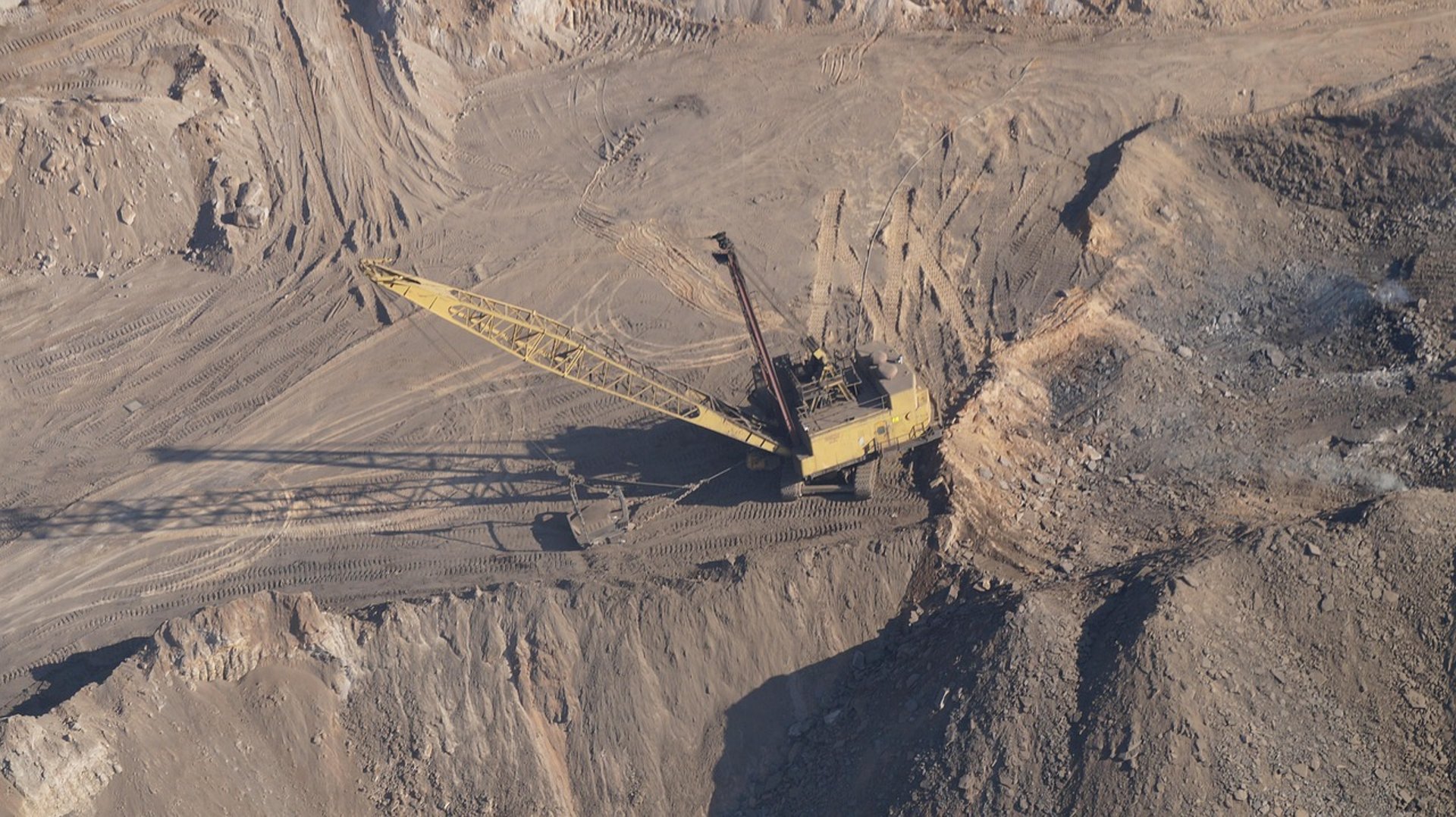
If there is one cable model that South African mines consistently rely on for medium-voltage mobile power distribution, it is the SANS Type 66 / 66-ECC 3.8/6.6 kV Cable. From the manganese stretch of the Northern Cape to the deep-level platinum mines of Rustenburg and the massive open-cast pits of Mpumalanga, this cable has earned a reputation as the region’s most trusted MV trailing cable.
South African mining is unlike mining anywhere else. Our sites come with abrasive terrain, aggressive environments, deep underground humidity, high mechanical tension, frequent dragging cycles, and unpredictable thermal stress. Mines here need cables that bend, flex, twist, get dragged across sharp rock, get covered in diesel and mud, and still maintain electrical stability.
This is why the mining sector depends on medium-voltage flexible rubber cables, particularly the Type 66 series.
Why Type 66 is important
It is one of the few cable types specifically engineered for mobile equipment operating at 3.8/6.6 kV.
It withstands frequent movement, harsh dragging, and irregular reeling cycles.
It complies with South African safety norms such as:
SANS 1520-2 (flexible mining cables)
SANS 1411-1 (non-metallic sheaths)
SANS 1411-3 (resistance to oil, UV, and abrasion)
In an environment where a single cable failure can stop a dragline or shovel that costs R150,000–R400,000 per hour of downtime, choosing the right cable is a matter of safety and economics.
The goal of this article is straightforward:
👉 To unpack the full structure, materials, specifications, engineering choices, and real operational advantages of Type 66 and Type 66-ECC cables, using real South African case studies to provide authority and practical insights.
Construction and Design: What Makes Type 66 So Robust?
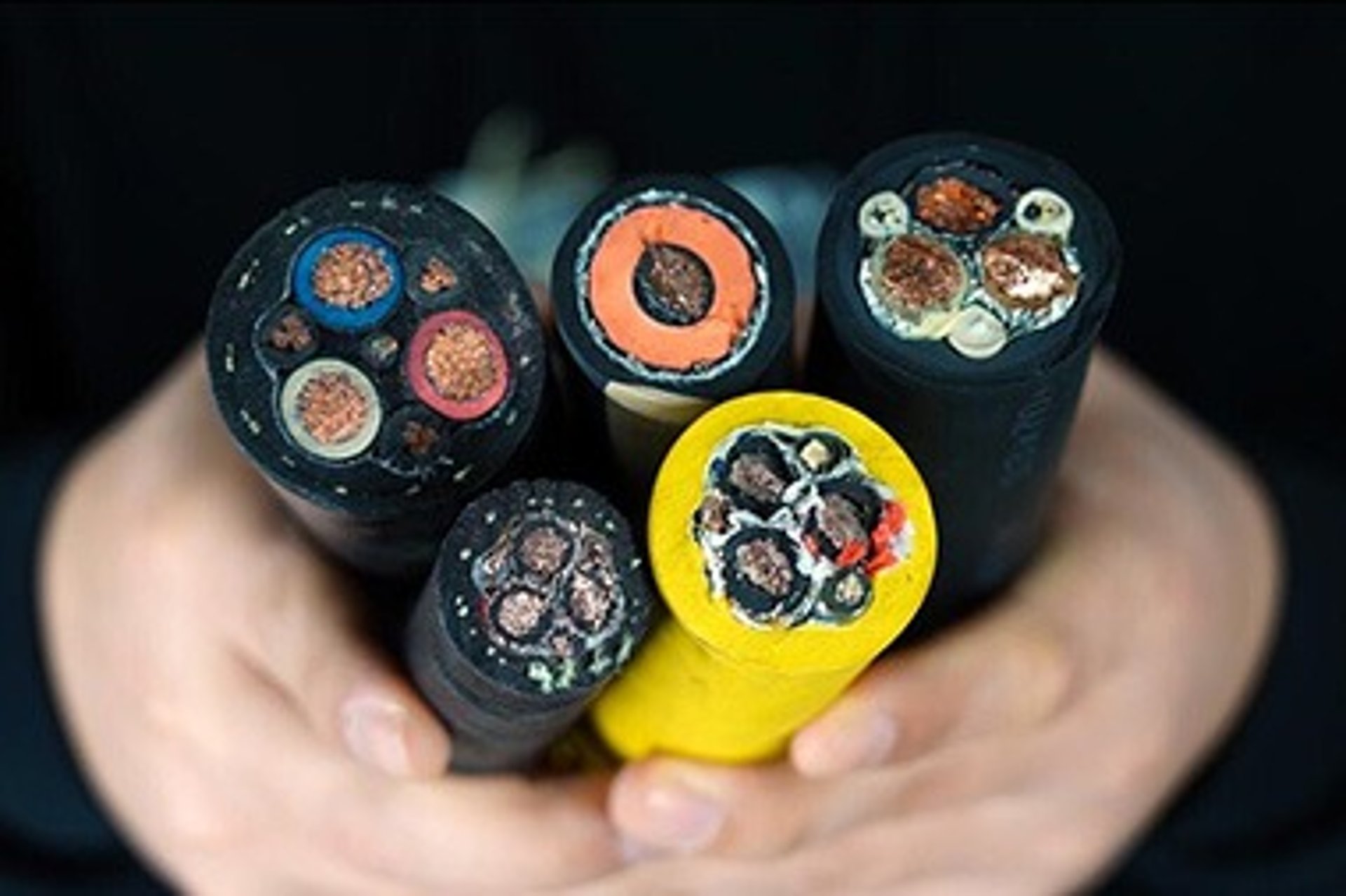
Understanding Type 66 begins with understanding its engineering anatomy. Every layer is designed to handle mechanical punishment and electrical stresses typical in South African mines.
Conductor System: Class 5 Tinned Annealed Copper
Type 66 cables use Class 5 flexible stranded tinned annealed copper conductors.
Why Class 5 flexibility matters
Mobile mining equipment requires constant bending.
Rigid conductors crack under continuous flexing.
Class 5 stranding dramatically increases cable lifespan under trailing, looping, reeling, and festoon systems.
Why the copper is tinned
South African underground mines have:
high humidity,
acidic mine water,
corrosive sulphide environments.
Tin coating protects the copper from:
corrosion,
oxidation,
chemical attack.
This is critical for mines in Limpopo and Mpumalanga, where underground moisture is persistent.
Insulation Layer: EPR (Ethylene Propylene Rubber)
EPR is the premium insulation material for harsh mining applications.
Advantages of EPR
Excellent thermal resistance up to 90°C continuous.
Stable dielectric strength at medium voltage.
Resistant to oil-water mixtures found in coal mines.
Superior elasticity reduces crack formation.
Compared with PVC and XLPE:
PVC cannot handle the mechanical abuse or temperature swings.
XLPE performs well electrically, but is too stiff for heavy trailing applications.
For mining, flexibility is as important as insulation strength, making EPR the top choice.
Pilot Cores: EPM Insulated Monitoring Cores
Type 66 includes three pilot cores, each insulated with EPM rubber.
Their functions
Monitoring electrical faults
Interlocking with mining machines
Ensuring equipment trips when a fault occurs
Communication or signalling
Why pilot-core size matters
The fault-loop impedance must be low enough to guarantee rapid earth-leakage protection.
Mines with long cable runs (common in draglines) rely heavily on accurate pilot-core performance.
Difference between Type 66 and Type 66-ECC
Type 66 = 3 power cores + 3 pilot cores
Type 66-ECC = 3 power cores + 2 pilot cores + 1 dedicated ECC conductor
The ECC version is used when additional earth continuity is required.
Screening System
Each power core is individually screened using tinned copper or textile braid.
Purposes:
Provides a return path for earth faults
Reduces electromagnetic interference
Maintains equal potential, especially in hazardous areas
Ensures compliance with SANS 1520-2 for safety in methane-prone zones
This screening is crucial in:
underground coal mines
platinum and gold shafts with explosive risks
Sheathing and Reinforcement
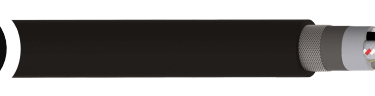
The cable is sheathed with CR (Polychloroprene Rubber) both inside and outside.
Characteristics
UV-resistant
Oil-resistant
Sunlight-resistant
Flexible in cold temperatures
Resistant to abrasion from sharp rocks
CR rubber is essential in surface mines where sunlight intensity is extreme (Northern Cape temperatures reach 40–45°C).
Reinforcement Braid
The core bundle is protected by an open nylon braid with 16+ strings.
It increases:
tensile strength
tear resistance
life under dragging and reeling cycles
This is one reason why Type 66 cables regularly survive 3–5 years, even in aggressive applications.
Colour & Identification
Sheath: Black, industry standard.
Markings include:
cable type
voltage rating
manufacturer
year of production
SANS standard reference
Proper markings prevent supply chain issues and ensure compliance during NRCS inspections.
Technical Specifications & Electrical Parameters
Type 66 / 66-ECC is engineered for U₀/U = 3.8/6.6 kV, adequate for medium-voltage machinery across South Africa.
Voltage and Temperature Ratings
Rating: 3.8/6.6 kV
Operating temp: –25°C to +90°C
Minimum bending radius: 6 × OD
These parameters ensure stable performance under thermal cycling typical in mobile machinery.
Conductor Sizes & Dimensions (25–240 mm²)
Common sizes:
25 mm² (small drills, light feeders)
50–95 mm² (medium draglines)
120–240 mm² (shovels, high-power feeders)
Larger sizes reduce:
voltage drop
cable heating
fault-loop impedance
Correct sizing is essential in mines with long travel distances.
ECC Dimensions (66-ECC Only)
ECC sizes range from 16 mm² to 120 mm².
Why ECC improves safety
A large ECC dramatically improves:
fault clearance times
earth-fault sensitivity
compatibility with modern protection relays
Mining companies upgrading from older cable models often choose Type 66-ECC specifically for this reason.
Electrical Characteristics Explained
Key parameters include:
DC Resistance
Decreases with larger conductor size and lower temperature.
Low resistance prevents excessive heating during long cycles.
Reactance & Impedance
Critical for power quality on large machines.
Lower impedance = faster fault response.
Current Carrying Capacity
Ranges from approx. 50 A (25 mm²) to over 250 A (240 mm²) depending on mine ambient temperature.
Short-Circuit Rating (1s)
Determines how the cable handles fault currents during protective trip delays.
Screen Resistance
Directly affects earth continuity.
Lower screen resistance = safer cable operation.
Application Scenarios in South African Mining
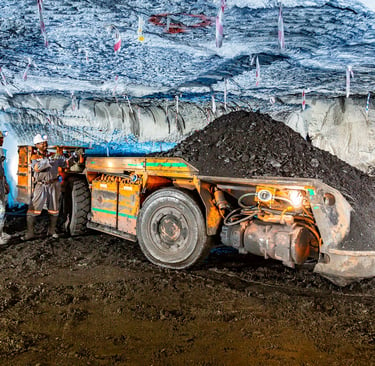
Type 66 is specifically designed for dynamic, high-stress applications.
Mobile Mining Machinery
Section feeders
Medium-sized draglines
Electric shovels
Drills
These machines consume large amounts of power and frequently move, requiring robust flexible MV cables.
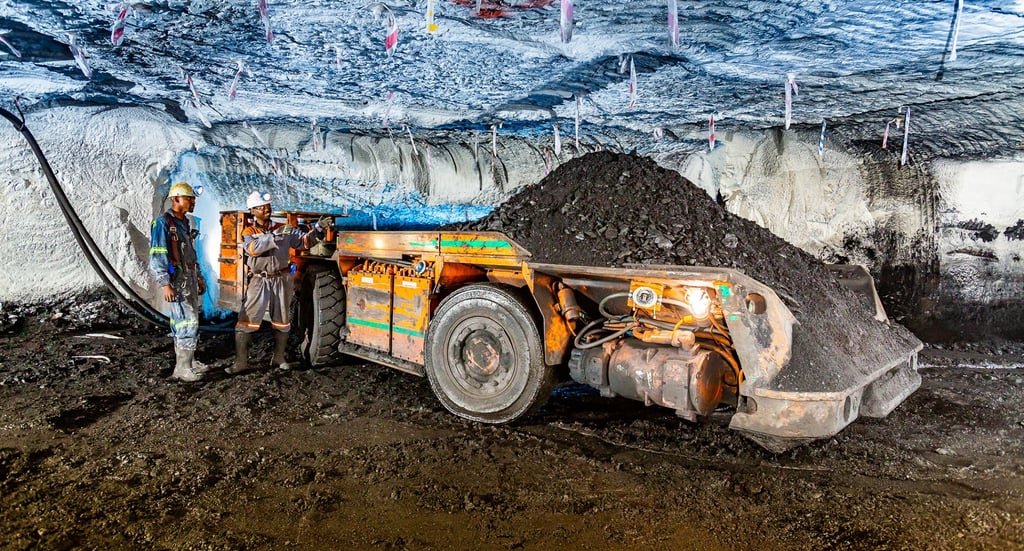
Underground Environments
Used for:
portable mining equipment
drill rigs
coal cutters
Type 66 performs well even in:
oil-water mixtures
high humidity
abrasive tunnel walls
Surface Mines & Processing Plants
CR rubber provides protection from:
sunlight
diesel spills
hot metal surfaces
crushing loads
Open-cast mines in Northern Cape and Limpopo rely heavily on these characteristics.
High-Risk Zones
In methane-prone coal mines:
screens must maintain continuity
insulation must withstand chemical exposure
Type 66 meets SANS requirements for safe operation in such zones.
Performance Advantages in Harsh African Conditions
Mechanical Strength
Nylon reinforcement braid + CR sheath = outstanding tear resistance during:
dragging
reeling
tension surges
Electrical Safety
Advantages:
stable earth-fault response
strong EMC performance
consistent pilot-core signals
These are essential for preventing electrical ignition in explosive zones.
Thermal Stability
EPR allows:
90°C continuous operation
better thermal cycling
lower ageing rate compared with PVC or HPDE
Chemical & Environmental Resistance
CR rubber provides resistance to:
UV
ozone
oils
solvents
Ideal for SA mining climates.
Lifespan & Total Cost of Ownership
Typical lifespan:
3–5 years in aggressive applications
5–8 years in moderate environments
Long lifespan reduces:
downtime
replacement costs
safety incidents
Real South African Case
Northern Cape Manganese Mine — Dragline
Problem:
Severe abrasion from rocky terrain and high reeling tension damaged previous cables.
Solution:
Upgraded to Type 66 95 mm².
Results:
38% reduction in unscheduled downtime
More stable earth-fault behaviour
Lower heat generation during peak loading
Rustenburg Platinum Mine — Upgrading to Type 66-ECC
Problem:
High fault-loop impedance caused delayed protection trips, posing shock and fire risks.
Solution:
Replaced old trailing cables with 66-ECC (70 mm² power + 35 mm² ECC).
Outcome:
62% faster earth-fault clearance
Improved interlocking reliability
Zero cable-related safety incidents in 12 months
Mpumalanga Underground Coal Mine
Conditions:
High methane concentration + oil-water contamination.
Feedback after 18 months:
EPR insulation resisted chemical degradation
CR sheath remained intact despite diesel exposure
Screen continuity remained stable for protection relays
This case highlights Type 66’s compatibility with hazardous environments.
How to Select the Right SANS Type 66 Cable
Factors to Consider
Conductor size & loading
Mechanical tension
Cable movement pattern
Need for ECC or pilot cores
Environment: underground vs surface
Sizing Tips for SA Operations
Always verify short-circuit rating.
Choose ECC sizes that ensure compliant fault-loop impedance.
Consider temperature derating in hot SA mines.
Compatibility Checks
Protection relay settings
Transformer impedance
VSD harmonics
Proper compatibility prevents nuisance tripping and overheating.
Installation, Handling & Maintenance
Installation Best Practices
Maintain minimum bending radius (6 × OD)
Use rollers or cable handlers
Avoid sharp rocks during dragging
Ensure correct termination
Routine Maintenance
Visual inspections
Sheath integrity checks
Earth continuity tests
Pilot-core resistance testing
Common Failure Modes
Screen strand breaks
ECC overheating
Sheath cuts from sharp rocks
Pilot-core damage from excessive bending
How to Extend Cable Life
Proper storage
Avoid over-tension
Use cable-management systems
Frequently Asked Questions
Difference between Type 66 and 66-ECC?
66-ECC includes a dedicated Earth Continuity Conductor.Can Type 66 be used in explosive zones?
Yes—if installed per SANS 1520-2.Typical lifespan?
3–8 years depending on conditions.Why EPR instead of XLPE?
EPR is more flexible and durable.How to size a 6.6 kV shovel cable?
Consider current rating + voltage drop + tension limits.What tests are required?
Earth-continuity, insulation resistance, pilot-core integrity.Is CR sheath UV resistant?
Yes—tested under SANS 1411-3.Can Type 66 be spliced?
Not recommended in high-movement environments.What causes ECC overheating?
Undersizing or poor terminations.How do pilot cores improve safety?
Enable interlocks and fault monitoring.
Conclusion
The SANS Type 66 / 66-ECC 3.8/6.6 kV Cable stands as one of the most reliable and durable medium-voltage mining cables in South Africa. Its engineering—flexible Class 5 copper, EPR insulation, CR sheathing, robust screening, strong mechanical reinforcement—directly addresses the unique challenges of South African mining.
Whether powering draglines in the Northern Cape, shovels in Rustenburg, or underground coal machines in Mpumalanga, Type 66 proves itself again and again with long lifespan, reduced downtime, and outstanding electrical safety.
For mining operations that demand reliability, safety, and compliance with SANS standards, Type 66 and 66-ECC remain the workhorses that keep South Africa’s mining industry moving.

Contact Anhui Feichun Special Cable Co., Ltd.
For comprehensive technical specifications and quotations, please contact our specialized mining cable engineering team:
Technical Engineering Support:
Sales Engineering Department:
WhatsApp Contact:
Manufacturer: Anhui Feichun Special Cable Co., Ltd. (安徽飞纯特种电缆有限公司)
Manufacturing Headquarters: Building A, Private Science and Technology Park, Hefei Economic and Technological Development Zone, Anhui Province, People’s Republic of China
+86 17333223430
Email Address: Li.wang@feichuncables.com
© 2025. All rights reserved.

One-click to Quickly Contact
Products
Contact
Company
Location:
Building A Private Science and Technology Park, Hefei Economic and Technological Development Zone, Anhui Province, China
Heat Resistant Cable
WhatsApp: +86 17333223430
Social Media: