Anhui Feichun Special Cable Co.,Ltd Email: Li.wang@feichuncables.com
Why South African Mines Are Choosing BS 6708 TYPE 730: The Heavy-Duty Cable Behind Mining Success
Discover why BS 6708 TYPE 730 mining cables are the go-to choice for South African underground and surface mining. Explore structure, materials, technical specs, applications, maintenance tips, and real case studies from Gauteng and North West mines.
Li Wang
12/19/20256 min read
Introduction
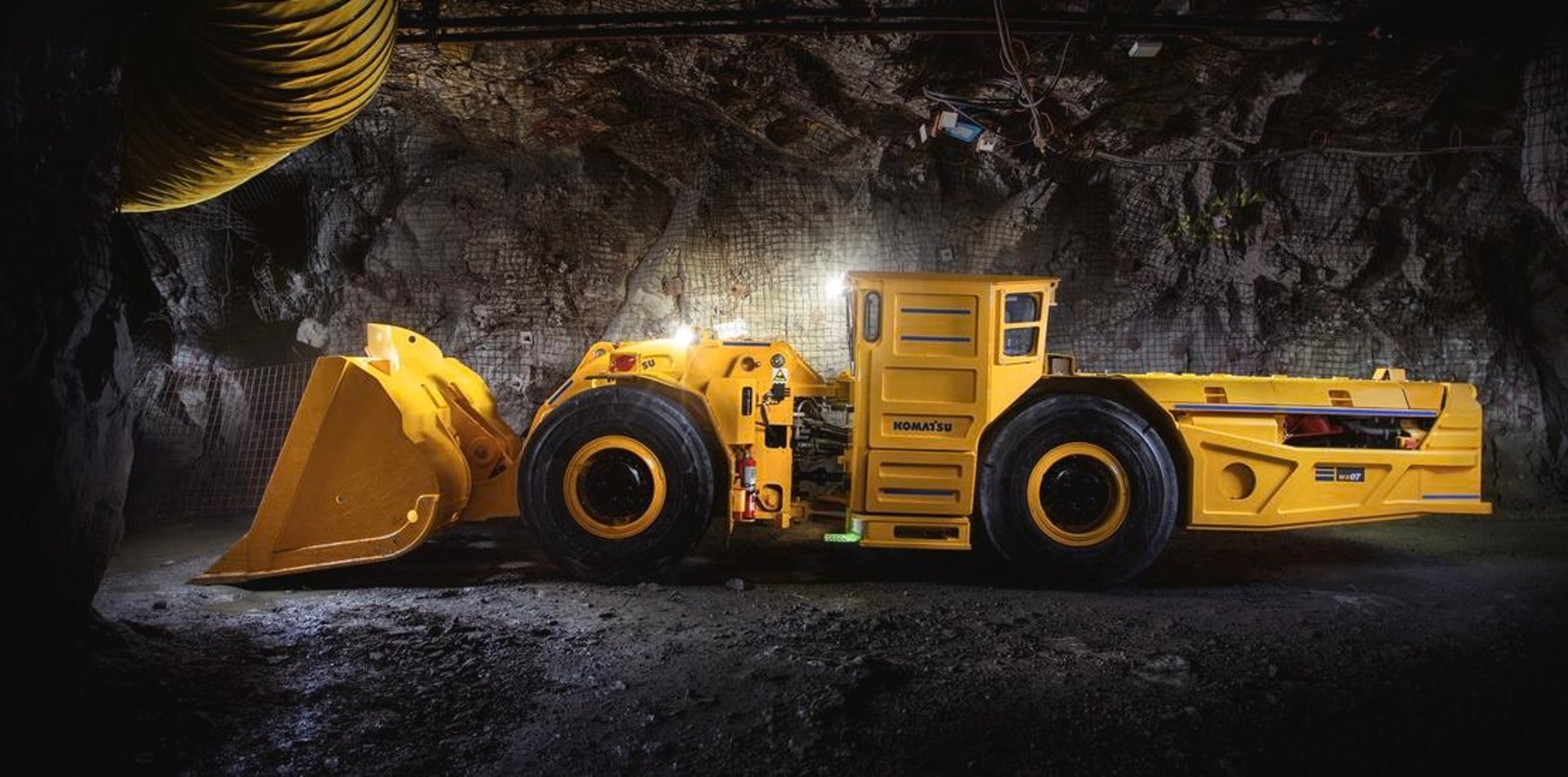
In the world of mining, power is everything. Underground LHDs (Load-Haul-Dump machines), haul trucks, drills, and conveyors rely heavily on reliable electrical supply. At the heart of these operations lies a seemingly simple yet critical component: the mining cable. These flexible conduits not only transmit high-voltage power to machines but also endure extreme mechanical, thermal, and chemical stresses. A cable failure can halt production, compromise safety, and incur substantial costs.
Among the many standards governing mining cables, BS 6708 has earned a reputation for robustness and reliability. Within this standard, TYPE 730 cables stand out as the preferred choice for high-capacity trailing applications. Their design allows them to handle large currents, withstand mechanical abuse, and survive the harsh conditions found in South African gold, platinum, and coal mines.
For engineers and mining operators in South Africa, understanding why TYPE 730 is preferred can make a tangible difference in operational efficiency and safety. This article delves deep into BS 6708 TYPE 730, exploring its structure, materials, technical specifications, applications, maintenance, and real-life use in South African mines.
Typical Applications of BS 6708 TYPE 730
BS 6708 TYPE 730 cables are primarily trailing cables—meaning they supply power to mobile mining equipment. Unlike stationary cables, trailing cables must endure constant bending, dragging, and impact. In South African mining, these cables are extensively used for:
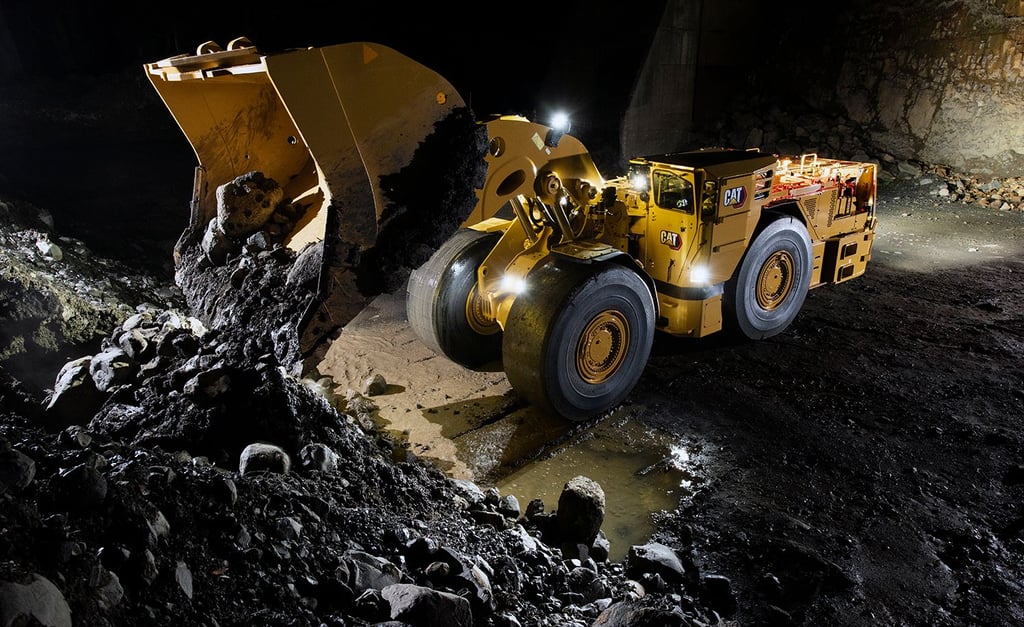
Large underground LHDs: These machines haul ore through tunnels under immense mechanical stress.
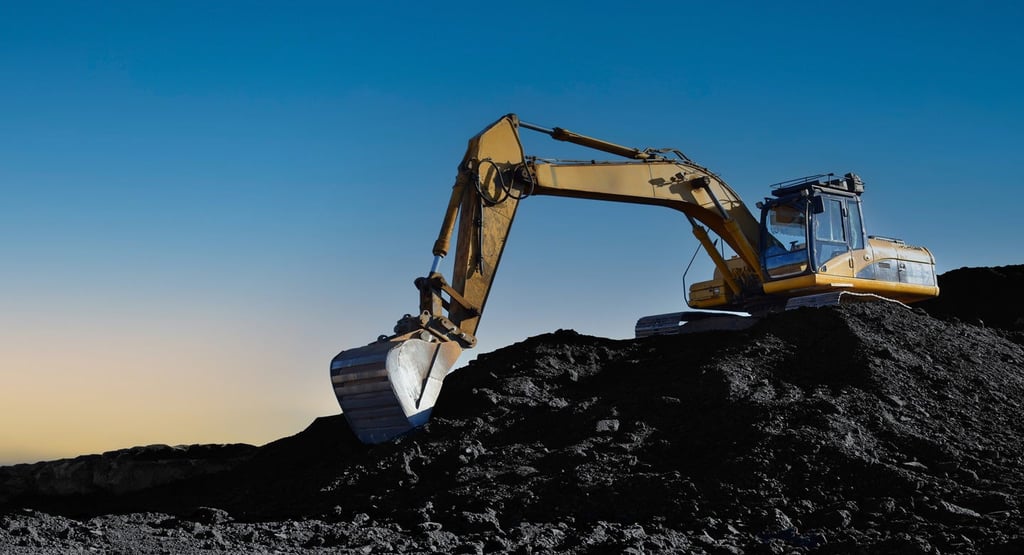
Haul trucks: In open-pit operations, they provide power for electric drive trucks or fleet electrification projects.
Drills and rock breakers: High-current demands in confined underground spaces make robust cables essential.
Environmental Challenges: South African mines often present extreme conditions, including:
High humidity and condensation in underground tunnels.
Dust, mud, and abrasive surfaces.
Occasional exposure to oils, fuels, or cleaning chemicals.
Heavy mechanical impact from rocks and moving machinery.
Case Study: Gauteng Gold Mine
A major gold mine in Gauteng upgraded its underground LHD fleet with BS 6708 TYPE 730 cables. Before the switch, older cables experienced frequent abrasion and insulation failures. The TYPE 730 cable, with its heavy-duty chloroprene sheath and robust construction, improved uptime significantly, reducing maintenance interventions by nearly 30%.
Cable Structure and Materials
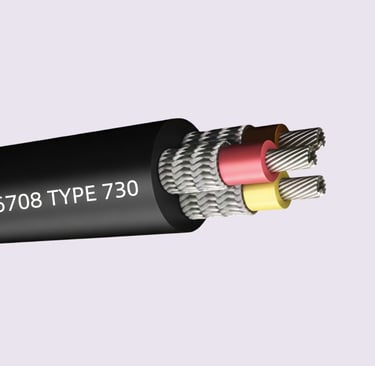
The strength of BS 6708 TYPE 730 comes from its meticulous design and high-quality materials. Let’s break down its core components.
Conductor
At the heart of the cable lies the conductor:
Material: Electrolytic, stranded, tinned copper (IEC 60228 Class 5).
Purpose: Flexibility under repeated bending, high current carrying capacity.
Benefit: Reduces resistance and heat generation, crucial for long runs powering heavy equipment.
Stranded, tinned copper is preferred because it resists corrosion and maintains electrical conductivity over time, especially in humid underground environments.
Insulation
The insulation layer safeguards both personnel and equipment:
Material: Ethylene Propylene Rubber (EPR).
Properties: Excellent thermal stability, high dielectric strength, and flexibility.
Voltage suitability: 3800/6600V applications.
Benefits: Maintains integrity under mechanical strain, thermal cycling, and occasional overloads.
EPR insulation allows the cable to endure repeated flexing, reducing the risk of cracks or short circuits in harsh mining conditions.
Screen
BS 6708 TYPE 730 cables feature an additional screen layer:
Construction: Tinned copper or nylon-braided shield around each phase core.
Function: Provides mechanical reinforcement, reduces electromagnetic interference (EMI), and enhances operator safety.
Result: Ensures consistent machine performance even near sensitive electronics or control systems.
Layup and Bedding
Cables are carefully assembled for mechanical stability:
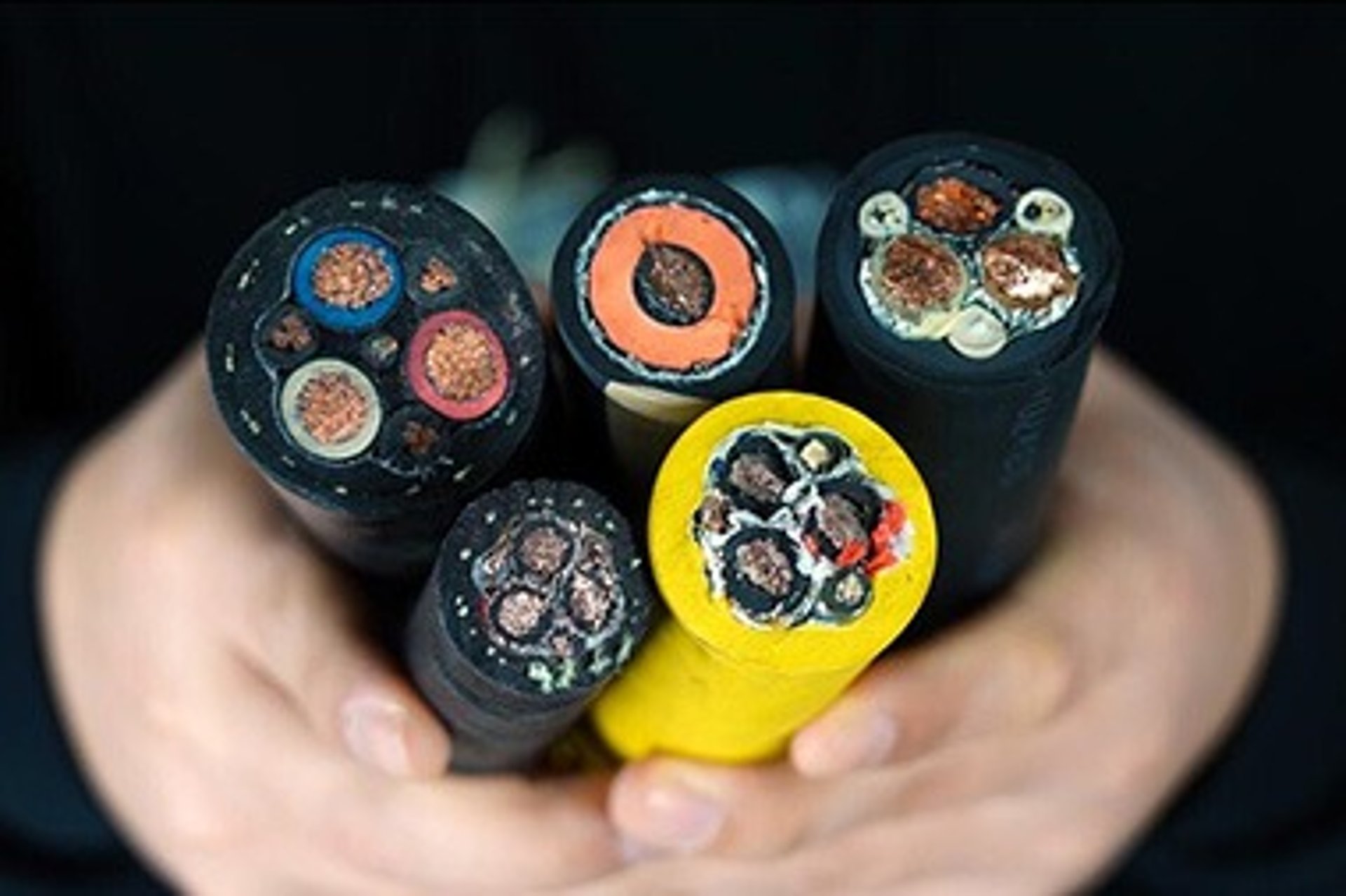
Layup: Phase cores twisted around a central earth core.
Bedding: Rubber-based layer cushions cores, absorbs shocks, and provides support to the insulation.
Benefit: Prevents internal conductor movement, reducing wear and extending service life.
Outer Sheath
The outer layer faces the harshest conditions:
Material: Heavy-duty chloroprene (CR) rubber.
Resistance: Mechanical impact, abrasion, oil, chemicals, and environmental degradation.
Thickness: Optimized for protection without compromising flexibility.
Effect: Ensures the cable survives long-term exposure to underground or surface mining conditions.
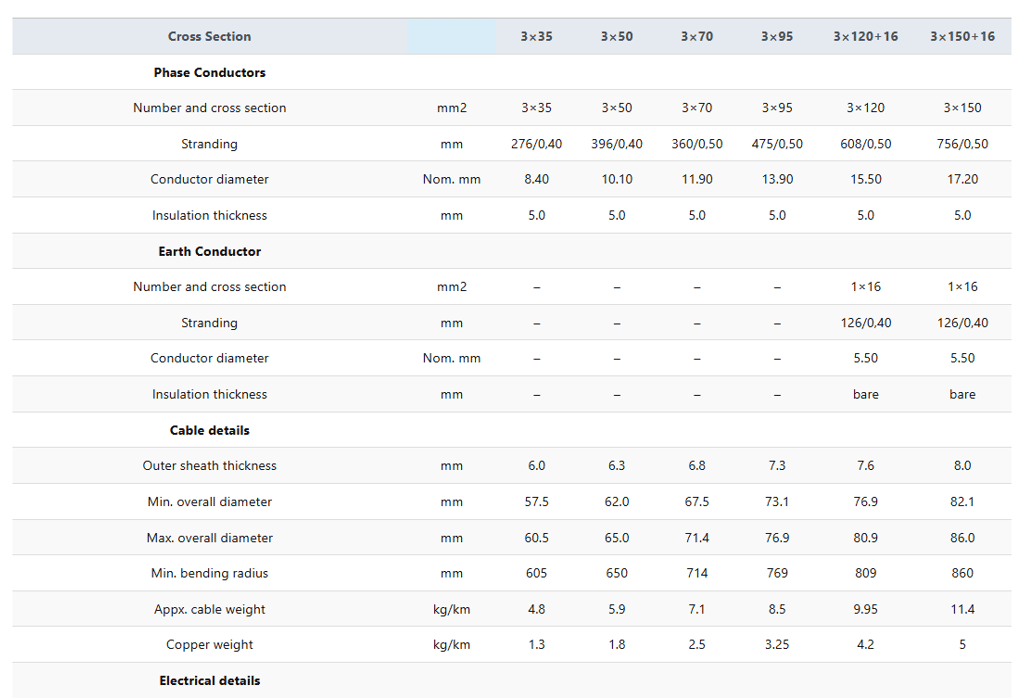
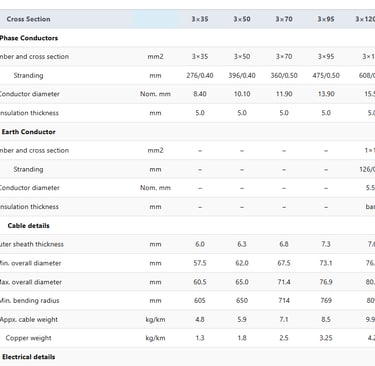
Technical Specifications and Electrical Parameters
Understanding the technical specifications is crucial for proper selection and safe operation.
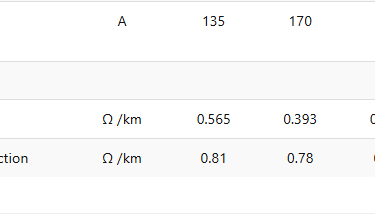
These parameters make BS 6708 TYPE 730 ideal for high-demand applications, balancing current-carrying capacity, flexibility, and mechanical resilience.
Tip for South African Engineers: Always select a cable size considering both current demand and mechanical stresses encountered underground or in open-pit operations.
Compliance and Standards
BS 6708 TYPE 730 complies with:
BS 6708: British Standard for trailing and flexible mining cables.
IEC Standards: IEC 60228 for conductors, IEC 60502 for voltage ratings.
SANS Local Standards: Aligns with South African safety and mechanical durability requirements for underground operations.
NRCS Approval: Ensures compliance with national electrical safety and environmental regulations.
Cables undergo rigorous mechanical, thermal, and electrical testing before deployment, guaranteeing safety and reliability in South African mining environments.
Advantages of BS 6708 TYPE 730
Mining operations demand more than just current transmission—they require durability, flexibility, and longevity.
Key advantages:
Mechanical Strength & Flexibility:
Designed to endure bending, dragging, and impacts without degradation.Superior Insulation & Screening:
Protects personnel and sensitive equipment from voltage surges and EMI.Reliable Current Capacity:
Powers large LHDs, haul trucks, and drills with consistent performance.Extended Service Life:
Heavy-duty construction and EPR insulation ensure up to 5–8 years in demanding conditions.Comparison to Other Types:
TYPE 621: Suitable for moderate-load applications, less mechanically robust.
SANS 1520 equivalents: Often regionally adapted, may lack the full BS 6708 heavy-duty specification.
For South African mines, TYPE 730 represents a balance between durability, safety, and operational efficiency, making it a preferred choice for high-demand tasks.
Maintenance Recommendations
Even the best cables require careful handling and maintenance:
Routine Inspection:
Visual checks for abrasion, cuts, or cracks.
Thermal imaging to detect hot spots.
Insulation resistance testing to identify deterioration.
Handling & Storage:
Avoid kinking, crushing, or sharp bends.
Use reels or troughs to prevent mechanical damage.
Keep away from chemical spills.
Replacement Guidelines:
Replace if insulation shows cracks, cuts, or significant wear.
Monitor earth continuity to ensure safety.
Operator Training:
Educate staff on safe cable deployment, retrieval, and storage practices.
Case Example – North West Platinum Mine:
Maintenance logs revealed that implementing structured cable inspection schedules and operator training reduced cable failure incidents by 40%. TYPE 730 cables endured mechanical stresses better than previous types, resulting in fewer replacements and downtime.
Common Questions and Answers (FAQ)
Q1: Can BS 6708 TYPE 730 be used for both underground and open-pit mines?
A: Yes. Ensure proper bending radius and mechanical protection, especially for surface trailing over uneven terrain.
Q2: What is the expected lifespan under heavy-duty conditions?
A: Typically 5–8 years, depending on mechanical load, environmental exposure, and maintenance practices.
Q3: How does the cable handle voltage surges or short-term overloads?
A: The EPR insulation and braided screen provide high dielectric strength, absorbing short-term surges and protecting both equipment and operators.
Q4: Can the cable be repaired if damaged?
A: Minor insulation repairs are possible, but significant mechanical or insulation damage requires replacement to ensure safety and compliance.
Q5: Are South African mines actively using TYPE 730?
A: Absolutely. Multiple gold and platinum mines in Gauteng and North West provinces rely on TYPE 730 for LHDs, haul trucks, and other high-current machines.
Case of South Africa
Gold Mine, Gauteng
Problem: Frequent cable failures on underground LHDs, leading to production downtime.
Solution: Upgraded to BS 6708 TYPE 730.
Outcome: Improved uptime by 30%, fewer replacements, and reduced maintenance costs.
Platinum Mine, North West Province
Problem: Trailing cables on haulage equipment suffered abrasion and crushing.
Solution: Deployed TYPE 730 with heavy-duty chloroprene outer sheath and enhanced bedding.
Outcome: Reduction in mechanical failures, enhanced operator safety, and extended cable lifespan.
Visual Aids (Recommended):
Photos of TYPE 730 on LHDs in tunnels.
Diagrams showing cable layout on haul trucks.
Maintenance log snapshots for reference.
Conclusion
BS 6708 TYPE 730 is more than just a cable—it’s a lifeline for South African mines. Its robust construction, reliable electrical performance, and flexibility under harsh conditions make it the preferred choice for high-capacity trailing applications. Mines that prioritize proper selection, handling, and maintenance of TYPE 730 cables see measurable benefits: improved uptime, reduced safety risks, and longer service life.
For engineers, safety managers, and operational planners, the takeaway is clear: investing in BS 6708 TYPE 730 is not just about meeting standards—it’s about ensuring operational efficiency and protecting lives. South African mines looking to maximize the performance of their LHDs, haul trucks, and drilling equipment should strongly consider this trusted heavy-duty cable.


Contact Anhui Feichun Special Cable Co., Ltd.
For comprehensive technical specifications and quotations, please contact our specialized mining cable engineering team:
Technical Engineering Support:
Sales Engineering Department:
WhatsApp Contact:
Manufacturer: Anhui Feichun Special Cable Co., Ltd. (安徽飞纯特种电缆有限公司)
Manufacturing Headquarters: Building A, Private Science and Technology Park, Hefei Economic and Technological Development Zone, Anhui Province, People’s Republic of China
+86 17333223430
Email Address: Li.wang@feichuncables.com
© 2025. All rights reserved.
One-click to Quickly Contact
Products
Contact
Company
Location:
Building A Private Science and Technology Park, Hefei Economic and Technological Development Zone, Anhui Province, China
Heat Resistant Cable
WhatsApp: +86 17333223430
Social Media: