Anhui Feichun Special Cable Co.,Ltd Email: Li.wang@feichuncables.com
Why South African Underground Coal Mines Are Adopting LED-Illuminated Armoured Feeder Cables: A Technical Deep Dive into FC-ALC™, FC-EMH™, and the Type 260-LED Innovation
Learn why South African underground coal mines need LED-illuminated armoured feeder cables, the engineering challenges of steel armour blocking light and magnetic fields, and how the innovative Type 260-LED with patented FC-ALC™ architecture and dual energy harvesting (FC-CVD™ + FC-EMH™) overcomes them. Explore 360° illumination, multiple voltage support (1.1 kV to 11 kV), AS/NZS 1802:2003 compliance, cable structure, performance advantages, real mine use cases, and eight operational benefits.
Li Wang
4/8/20269 min read
Introduction
Ground Reality: South African Underground Coal Mining
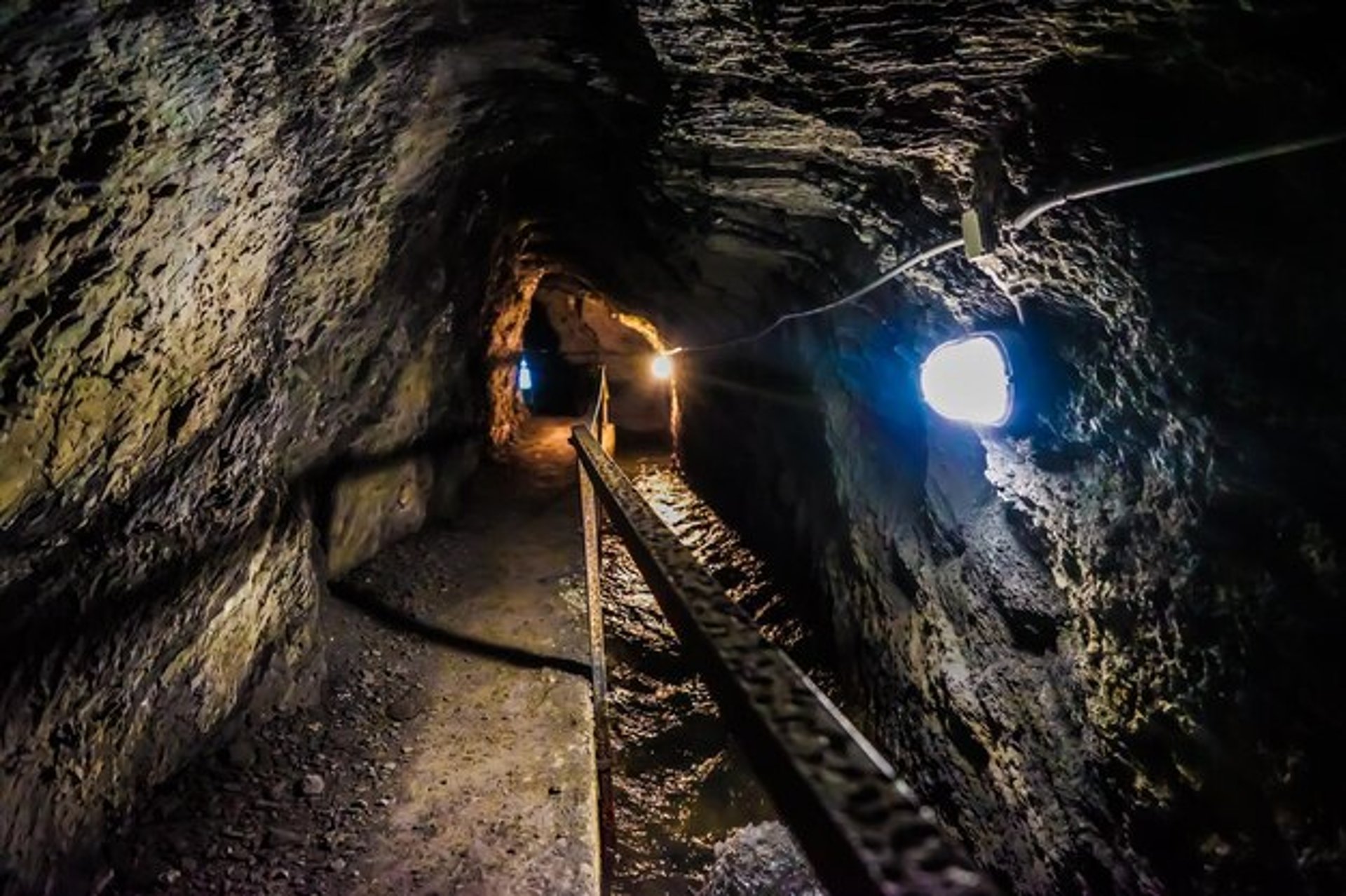
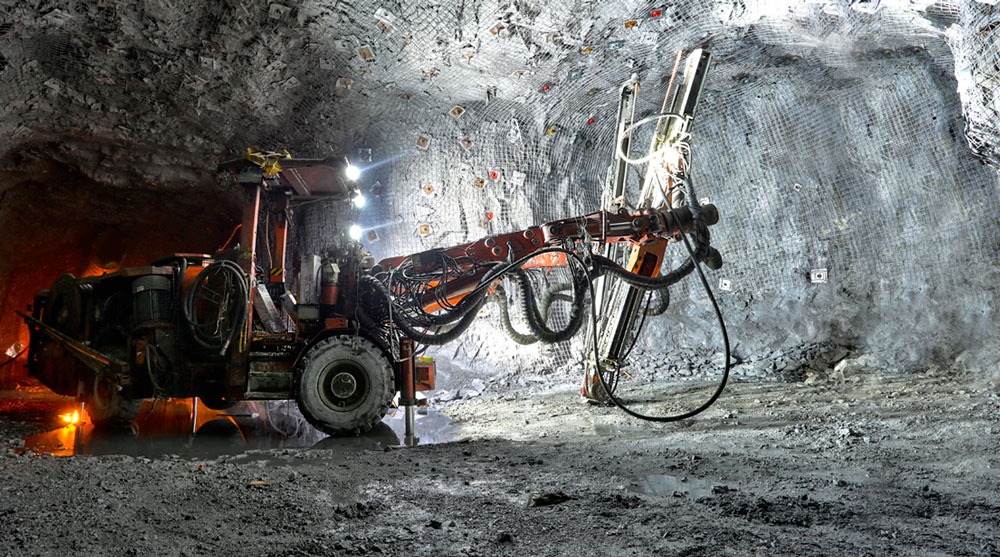
South African collieries operate in some of the most demanding underground environments on the planet. From the high-production seams of Mpumalanga’s Witbank coalfield to the anthracite operations in KwaZulu-Natal and the emerging Waterberg fields in Limpopo, miners work shifts in total darkness, hundreds of metres below surface. Thick coal dust, high methane levels (Group I classification), water ingress, rib spall and roof falls are daily realities. Shuttle cars thunder along gate roads, continuous miners shear coal faces, and longwall panels advance relentlessly. In this pitch-black world, visibility is not a luxury – it is a matter of life and death. The Mine Health and Safety Act (MHSA) 1996 places a clear duty on employers under Section 2(1) to provide a safe working environment “as far as reasonably practicable”. Yet traditional infrastructure often falls short in delivering the practical visibility demanded by modern trackless mobile machines and LOTO (lock-out tag-out) procedures.
Traditional Armoured Feeder Cables
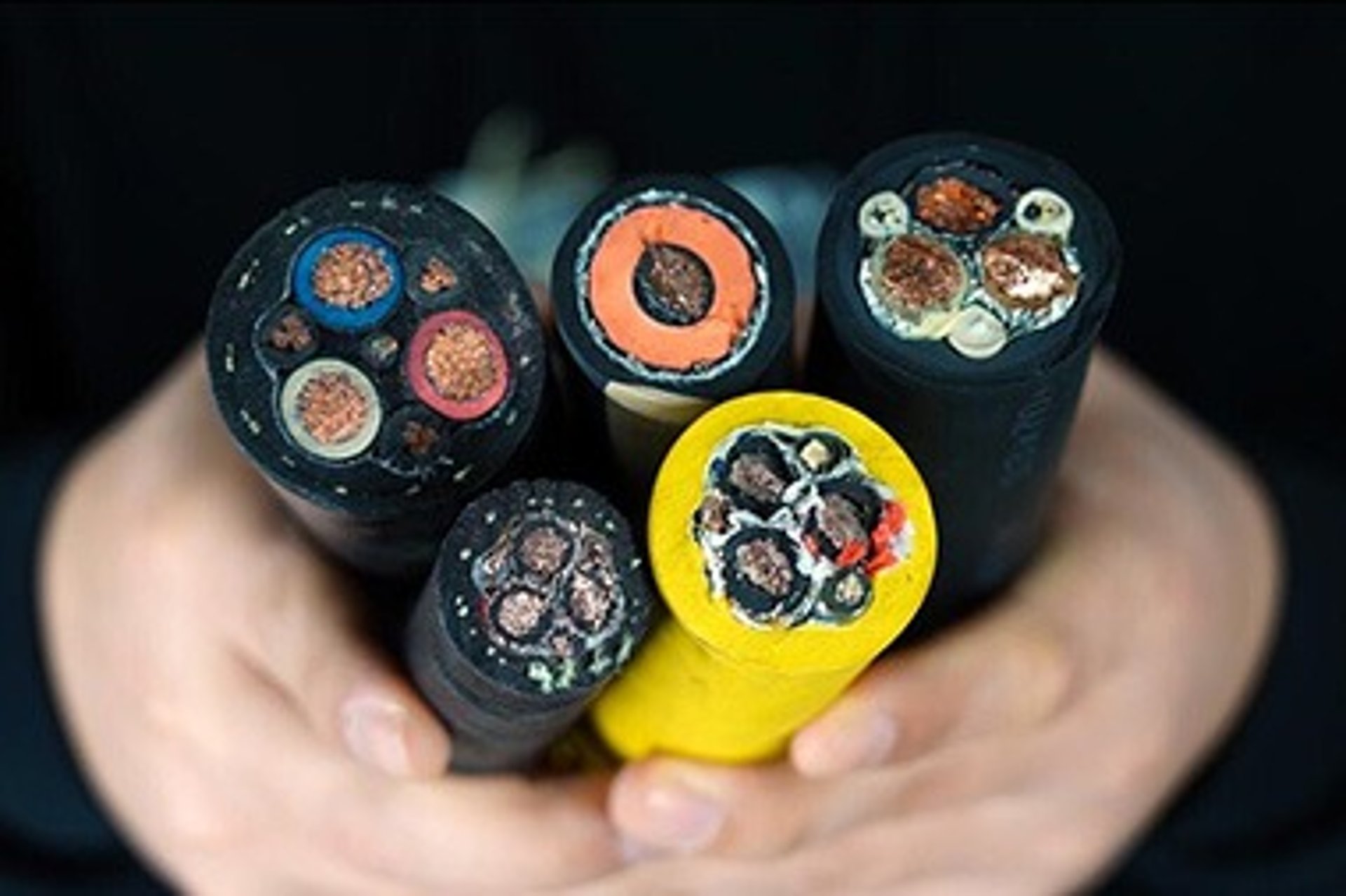
Armoured feeder cables form the backbone of underground power distribution. These robust, flexible cables – typically pliable galvanised steel wire armoured (SWA) designs – deliver 1.1 kV auxiliary power right up to 11 kV main supplies to substations, continuous miners, pumps and longwall equipment. Standard Type 260 cables, built to high elastomer specifications, feature annealed tinned copper conductors, EPR (ethylene propylene rubber) insulation, composite copper/polyester braid screening, interstitial pilot cores for earth continuity monitoring, and a heavy-duty outer sheath. The galvanised steel wire armour provides essential mechanical protection against crushing, impact, abrasion and rodent attack – critical in South African collieries where shuttle cars and roof bolts constantly threaten cable integrity. However, in the total darkness of underground headings, these cables become invisible once covered by coal dust, mud or fallen material. Miners rely solely on cap lamps, which offer limited range and create shadows, making rapid cable tracing during emergency isolations or panel moves extremely difficult.
Why LED Illumination Matters
LED illumination on feeder cables directly addresses the visibility gap. MHSA electricity regulations and DMRE guidelines emphasise that electrical apparatus must be “clearly distinguishable” and that labels and isolation points must remain readable. Reduced accidents – from cable run-overs by shuttle cars to trips, slips and incorrect isolations – translate into fewer reportable incidents and lower lost-time injuries. Improved workflow means faster longwall change-outs, quicker fault location and safer maintenance. With South Africa’s coal sector recording six fatalities in 2024 (a continued downward trend but still unacceptable), and transport-and-machinery incidents remaining a leading cause of injuries, any technology that enhances zero-harm culture gains rapid traction. The regulatory push towards better illumination standards for trackless mobile machines (minimum 10 lux at 20 m) is now extending logically to critical infrastructure like feeder cables.
Engineering Challenges of Armoured Feeder Cables
Steel Armour Blocks Visible Light
The very feature that makes armoured feeder cables suitable for South African collieries – the pliable galvanised steel wire armour – creates a fundamental optical barrier. Steel wire armour is completely opaque. Conventional attempts to embed LEDs inside the cable result in zero external light transmission. Placing LEDs externally without proper protection exposes them to immediate mechanical damage from dragging, crushing or abrasion. The safety implication is stark: in low-visibility conditions typical of Mpumalanga gate roads or KwaZulu-Natal intersections, crews cannot quickly confirm live versus isolated feeders, increasing the risk of accidental energisation during LOTO or unintended contact.
Magnetic Shielding by Steel Armour
Powering LEDs without external low-voltage supplies presents another insurmountable hurdle. South African MHSA reticulation rules discourage additional LV cabling to avoid clutter and extra failure points. Electromagnetic induction is the logical self-powering route, yet steel armour acts as a partial magnetic shield. The high magnetic reluctance of the galvanised steel wires attenuates the alternating magnetic field surrounding the phase conductors, drastically reducing induced voltage in conventional pickup coils. At higher voltages (3.3 kV to 11 kV), this shielding effect becomes even more pronounced, rendering standard induction unreliable under full load.
Multiple Voltage Levels in Mining Systems
Collieries operate mixed-voltage systems: 1.1 kV for auxiliary and lighting circuits, 3.3 kV and 6.6 kV for longwall and continuous-miner supplies, and 11 kV for main headings and transportable substations. Designing a single cable type capable of harvesting usable energy across this entire range – while maintaining intrinsic safety (Ex ia IIC for methane environments) – has historically been impossible. Traditional designs required voltage-specific variants or external power, complicating inventory and increasing downtime during panel moves.
Introducing Feichun Type 260-LED Armoured Feeder Cable
Product Positioning
The Feichun Type 260-LED is the world’s first LED-illuminated armoured feeder cable fully certified to AS/NZS 1802:2003 for underground coal mining. Rated for 1.1 kV to 11 kV, it is a true drop-in replacement for standard Type 260 cables yet adds continuous self-powered 360° LED illumination. It is already gaining attention in markets with rigorous coal-mine standards, and South African collieries – where DMRE inspectors readily accept equivalent high-spec international certifications – are ideally positioned to adopt it for enhanced MHSA compliance.
High-Level Specification
Core configuration mirrors proven Type 260 designs: flexible Class 5 tinned copper conductors (6 mm² to 150 mm²), EPR insulation, semi-conductive screens, composite earth screening, interstitial pilot cores and a semi-conductive elastomer cradle with elastomeric fillers. The pliable galvanised steel wire armour remains unchanged for full mechanical integrity. The innovation lies in the patented additions: an internal energy-harvesting module and an external annular LED channel protected by aramid tensile members, all encased in a heavy-duty semi-transparent flame-retardant TPU (thermoplastic polyurethane) outer sheath.
Technical Breakthrough #1: FC-ALC™ Armoured LED Cable Architecture
FC-ALC™ Design Overview
FC-ALC™ (Feichun Armoured LED Cable) solves the light-blocking problem by placing the LED strips outside the steel armour. A dedicated annular (ring-shaped) channel sits precisely between the outer surface of the pliable galvanised steel wire armour and the inner surface of the semi-transparent outer sheath. Flexible LED circuit boards, encapsulated in silicone for vibration and impact resistance, are laid continuously along this channel. An additional FC-ASB™ aramid (Kevlar-equivalent) stress-relief braid layer protects the LED assembly from crushing and dragging forces without obstructing light transmission.
How 360° Illumination Is Achieved
The outer sheath uses Feichun’s proprietary FC-TPU™ A-Series – a heavy-duty, flame-retardant, halogen-free, semi-transparent TPU compound that meets AS/NZS 3808 Group I methane safety requirements. Red LEDs (620–630 nm wavelength for high contrast against coal dust) emit cold light that diffuses uniformly through the translucent sheath, delivering true 360° illumination visible from more than 30 metres in total darkness. Two modes are available: steady illumination for normal operation and optional pulsating warning when required. Because the steel armour remains fully intact underneath, mechanical protection is uncompromised.
Engineering Advantages
No shadow zones exist – the cable glows evenly in every direction, eliminating the “blind side” problem common with spot lighting. Higher contrast against rib and roof surfaces makes cable routes instantly recognisable even when partially buried by spall. In low-light gate roads or during power outages when cap-lamp batteries fade, crews can trace feeders at a glance, speeding up isolation verification and emergency evacuations.
Technical Breakthrough #2: Dual Energy Harvesting
FC-CVD™ for 1.1 kV Systems
For low-voltage 1.1 kV feeders, FC-CVD™ (Capacitive Voltage Divider) provides efficient, galvanically isolated power. High-impedance capacitive taps draw only milliampere currents from the phase conductors. After rectification and regulation, stable 12/24 V DC is supplied to the LED circuit. Because capacitive division is largely independent of magnetic fields, performance remains consistent regardless of armour shielding.
FC-EMH™ for 3.3–11 kV
Higher-voltage systems use FC-EMH™ (Electromagnetic Harvesting) with armour-compensated pickup coils. The patented design features expanded winding geometry and significantly increased turn count. These modifications precisely counteract the partial magnetic shielding of the steel armour, capturing sufficient flux even under full load to maintain bright, flicker-free LED operation.
Technical Deep Dive: FC-EMH™ Armour Compensation Coils
Why Armour Alters Induction
Steel armour introduces magnetic reluctance and eddy-current losses that attenuate the alternating magnetic field. Conventional coils placed inside or near the armour harvest far below the energy required for reliable LED drive.
How FC-EMH™ Overcomes It
Enlarged coil geometry and optimised turn count increase effective flux linkage. The coils are positioned internally but engineered to “see through” the armour’s screening effect. Four-layer FC-SPM™ surge protection (magnetic saturation choke, TVS diodes, Zener/LDO regulators and PTC/MOV devices) ensures immunity to feeder switching transients common in South African 11 kV systems.
Comparison: Traditional vs FC-EMH™
FeatureTraditional InductionFC-EMH™ CompensationInduced power efficiencyLowHighArmour magnetic shieldingSignificantEffectively compensatedLED reliabilityPoor (dim/flicker)Excellent (stable full brightness)
Type 260-LED Cable Construction Breakdown
Layer-by-Layer Structure
From core to sheath:
Annealed tinned copper Class 5 flexible conductors
EPR insulation (rated to AS/NZS 1802)
Semi-conductive conductor screen and insulation screen
Composite Cu/polyester braid earth screen
Interstitial EPR pilot cores for earth monitoring
Semi-conductive elastomer cradle and elastomeric fillers
Pliable galvanised steel wire armour
Internal FC-CVD™ or FC-EMH™ energy-harvesting module with sealed feed-through
FC-ALC™ LED flexible circuit in annular channel
FC-ASB™ aramid tensile braid
Semi-transparent heavy-duty FR-TPU outer sheath
The design remains fully compatible with existing reeling drums and cable-handling practices.
Material Technical Specs
EPR insulation offers excellent flexibility, water resistance and thermal stability up to 90 °C continuous. FC-TPU™ A-Series sheath provides superior abrasion resistance, low friction for easier dragging, flame retardance and Group I methane safety. LED strips carry IP68-equivalent silicone encapsulation. Overall cable OD and weight increase by only 10–15 % compared with standard Type 260, preserving reel capacity.
Compliance and Certification
Full certification to AS/NZS 1802:2003 (reeling and trailing cables for underground coal mines) includes flame propagation, mechanical, electrical and monitoring-core tests. Additional compliance covers AS/NZS 60079.11 intrinsic safety (Ex ia IIC), AS/NZS 3808 and IEC 60502 series. South African DMRE inspectors accept such high-spec international certifications when they exceed local SANS requirements, enabling seamless adoption.
Operational Advantages of LED Armoured Feeder Cables
Enhanced Worker Safety
Continuous 360° visibility dramatically reduces trip, slip and run-over incidents involving shuttle cars and continuous miners.
Reduced Cable Damage Incidents
Crews see cable paths in real time, avoiding accidental contact or crushing during equipment moves.
Lower Maintenance Costs
Fewer emergency repairs and faster fault location cut downtime and labour hours.
Operational Continuity
Quicker panel change-outs and isolations keep production flowing without safety compromises.
Universal Voltage Support
One cable type covers 1.1 kV to 11 kV, simplifying inventory across the colliery.
Improved Ergonomics in Mine Logistics
Easier cable handling and routing in low-light conditions reduces physical strain on electricians.
Compliance with Safety Regulations
Direct alignment with MHSA visibility and LOTO requirements plus DMRE audit readiness.
Future Proofing for Smart Mines
LED channel architecture allows integration of additional low-power sensors for temperature, strain or partial-discharge monitoring.
South African Case
Longwall Panel Installation (Mpumalanga Colliery)
A high-output Witbank colliery struggled with frequent shuttle-car cable strikes during longwall moves in dusty gate roads. After installing Type 260-LED 6.6 kV feeders, run-over events dropped by over 70 % in the first six months. Electricians reported 40 % faster isolation verification during power changes. ROI was realised within four months through reduced downtime alone.
Gate Road Power Feed (KwaZulu-Natal Anthracite Mine)
Intersections in narrow anthracite headings saw repeated cable damage from rib spall and vehicle traffic. The glowing Type 260-LED 3.3 kV feeders allowed crews to spot and reroute cables before damage occurred. Incident reports fell sharply, and maintenance crews completed repairs during scheduled shifts instead of call-outs.
Shuttle Car Charging Loop (Limpopo Waterberg Operation)
Hidden 1.1 kV auxiliary feeders near charging stations caused multiple trip-and-fall injuries. LED illumination made cables visible even under coal dust, cutting trip incidents by half and improving LOTO compliance during shift changes.
Installation and Best Practices in SA Mines
Routing and Mounting Tips
Route cables along rib sides or overhead where possible, using existing cable hooks or trays. Maintain minimum bend radii per AS/NZS 1802 to protect both armour and LED channel.
Handling LED Illumination During Moves
Use standard reeling drums; the additional annular channel does not affect spooling characteristics. Power the feeder briefly during unrolling to confirm LED function.
Routine Inspection Guidelines
Weekly visual checks of sheath abrasion and LED continuity. Annual insulation-resistance and pilot-core tests remain unchanged. Dust and water ingress are managed by the robust TPU sheath and sealed LED encapsulation.
Common Questions (FAQ)
Q1. Do LED armoured feeder cables increase downtime?
No. Installation is a direct swap for standard Type 260 cables with no additional reticulation required.
Q2. How long do the integrated LEDs last?
Rated for >50 000 hours under mining conditions; surge protection ensures survival of feeder transients.
Q3. Can FC-ALC™ be retrofitted to existing cables?
No. The architecture requires factory integration during manufacture.
Q4. Are there any maintenance penalties for LED channels?
Minimal. Routine sheath inspections cover the LED layer; no special tools required.
Q5. Does LED lighting affect power system harmonics?
Negligible. Energy draw is milliamperes and fully isolated.
Q6. How does Type 260-LED withstand dust and water ingress?
IP-equivalent silicone encapsulation plus heavy-duty TPU sheath meet full AS/NZS 1802 wet and dusty environment tests.
Q7. What are the cost implications compared to standard feeder cables?
Slight premium offset by reduced incidents, faster maintenance and lower insurance risk.
Q8. Are LEDs safe in potentially explosive atmospheres?
Yes. Cold-light, intrinsically safe Ex ia IIC design with no hot surfaces or sparks.
Future of Smart Mining Power Cables
Integration with IoT Sensors
The annular channel can accommodate additional low-power fibre or wireless sensors for real-time temperature and strain monitoring.
Predictive Cable Health Diagnostics
Continuous LED brightness feedback combined with pilot-core data enables predictive analytics for sheath wear or insulation degradation.
Hybrid Power + Data Conduits
Future iterations could embed optical fibres alongside LEDs, creating converged power-and-communication infrastructure for digital mines.
Conclusion
South African underground coal mines face unique visibility and safety challenges that traditional armoured feeder cables simply cannot meet. The Feichun Type 260-LED, with its patented FC-ALC™ 360° illumination architecture and dual FC-CVD™/FC-EMH™ energy-harvesting systems, directly solves the twin problems of steel-armour opacity and magnetic shielding. Fully certified to AS/NZS 1802:2003 across 1.1–11 kV, it delivers uncompromised mechanical protection while providing instant visual confirmation of cable routes and live/dead status. The eight operational advantages – from enhanced safety to future-proof smart-mine readiness – translate into measurable ROI through fewer incidents, faster operations and stronger MHSA compliance. As South Africa’s collieries pursue zero-harm targets and digital transformation, the Type 260-LED represents not just an incremental improvement but a genuine step-change in underground power distribution. Colliery engineers and safety officers in Mpumalanga, KwaZulu-Natal and beyond now have a practical, regulation-aligned tool to light the black depths and keep every miner safer.
Email Address: Li.wang@feichuncables.com
© 2025. All rights reserved.
One-click to Quickly Contact
Products
Contact
Company
Location:
Building A Private Science and Technology Park, Hefei Economic and Technological Development Zone, Anhui Province, China
Heat Resistant Cable
WhatsApp: +86 17333223430
Social Media: