Anhui Feichun Special Cable Co.,Ltd Email: Li.wang@feichuncables.com
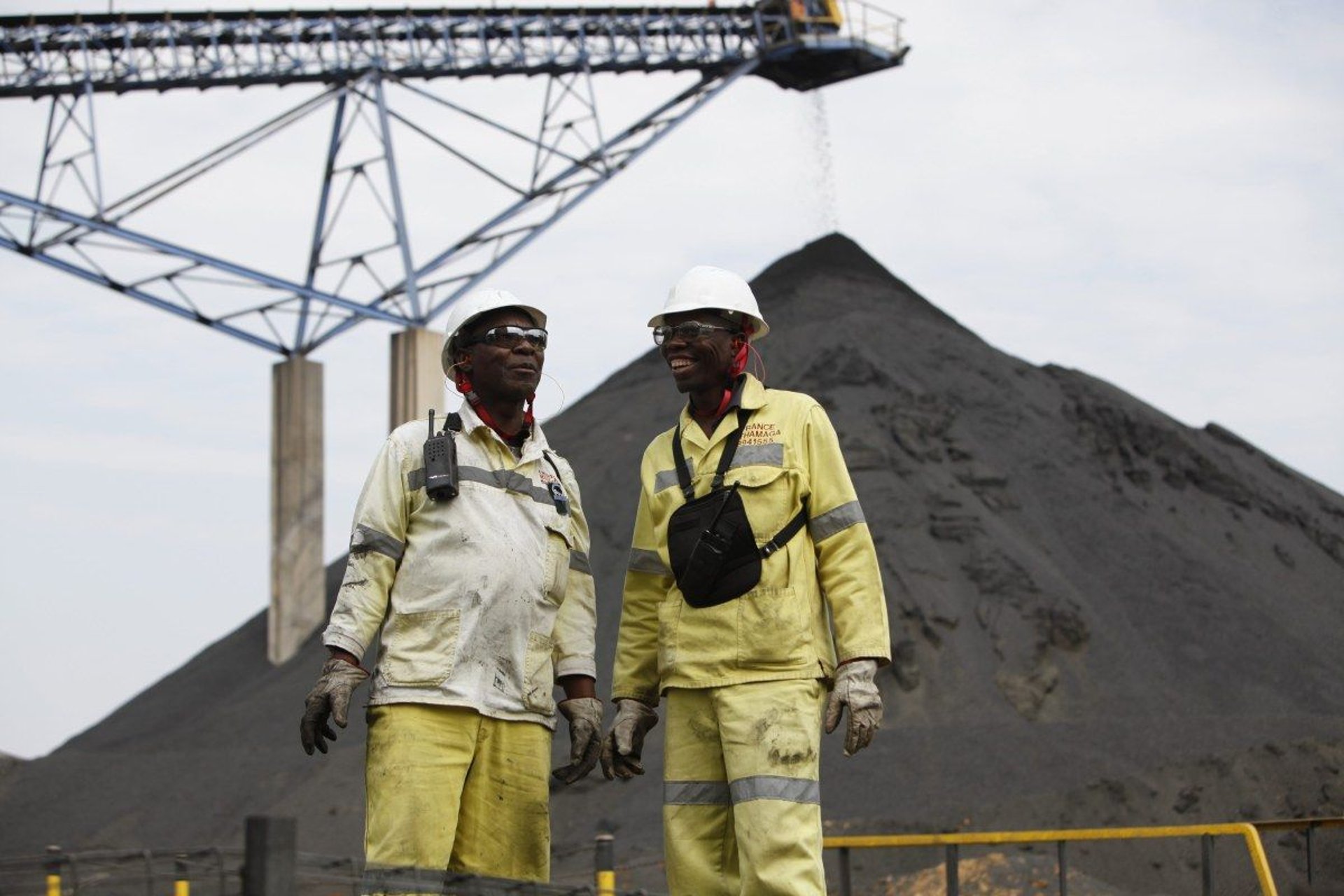
Why South Africa’s Mines Trust the SANS Type 41 Cable: A Deep Dive into the Flexible Trailing Cables
Discover the complete guide to the SANS Type 41 Cable — South Africa’s most widely used flexible trailing mining cable. Learn about its structure, materials, electrical parameters, SANS 1520-1 compliance, and real South African case studies that prove its durability in harsh mining environments.
Li Wang
12/11/20256 min read
Why a Single Cable Type Matters in South Africa’s Mining Industry
If you speak to any mine engineer in the South African gold, coal, or platinum sector, one message comes through loud and clear: a mine is only as reliable as the cables that power it.
In deep-level mines stretching more than 3 km underground, or open-cast pits exposed to abrasive dust, water, fracture zones, and constant vibration, electrical stability is not just a convenience—it is a safety-critical requirement. Every pump, drill rig, loader, bolter, or fan depends on cables that can bend, flex, crawl, reel, push, and pull through some of the world’s harshest working environments.
This is where the SANS Type 41 flexible trailing cable shines. Designed specifically for South African conditions, this cable has earned a reputation as the workhorse of hazardous-area portable equipment. It complies with SANS 1520-1, the national standard governing flexible cables for mines, and is engineered to meet both safety and durability expectations.
This article demystifies the SANS Type 41 cable—from its internal structure to its technical parameters, applications, maintenance practices, standards, and real-world performance in South African mines. Whether you're a mining engineer, apprentice electrician, procurement officer, or cable enthusiast, this is your complete deep-technical yet accessible guide.
The Structure of the SANS Type 41 Cable: What’s Inside the Workhorse
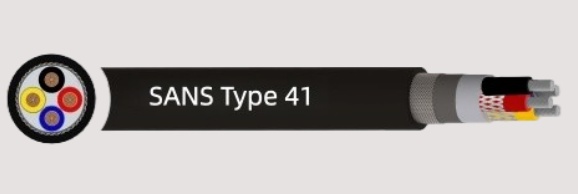
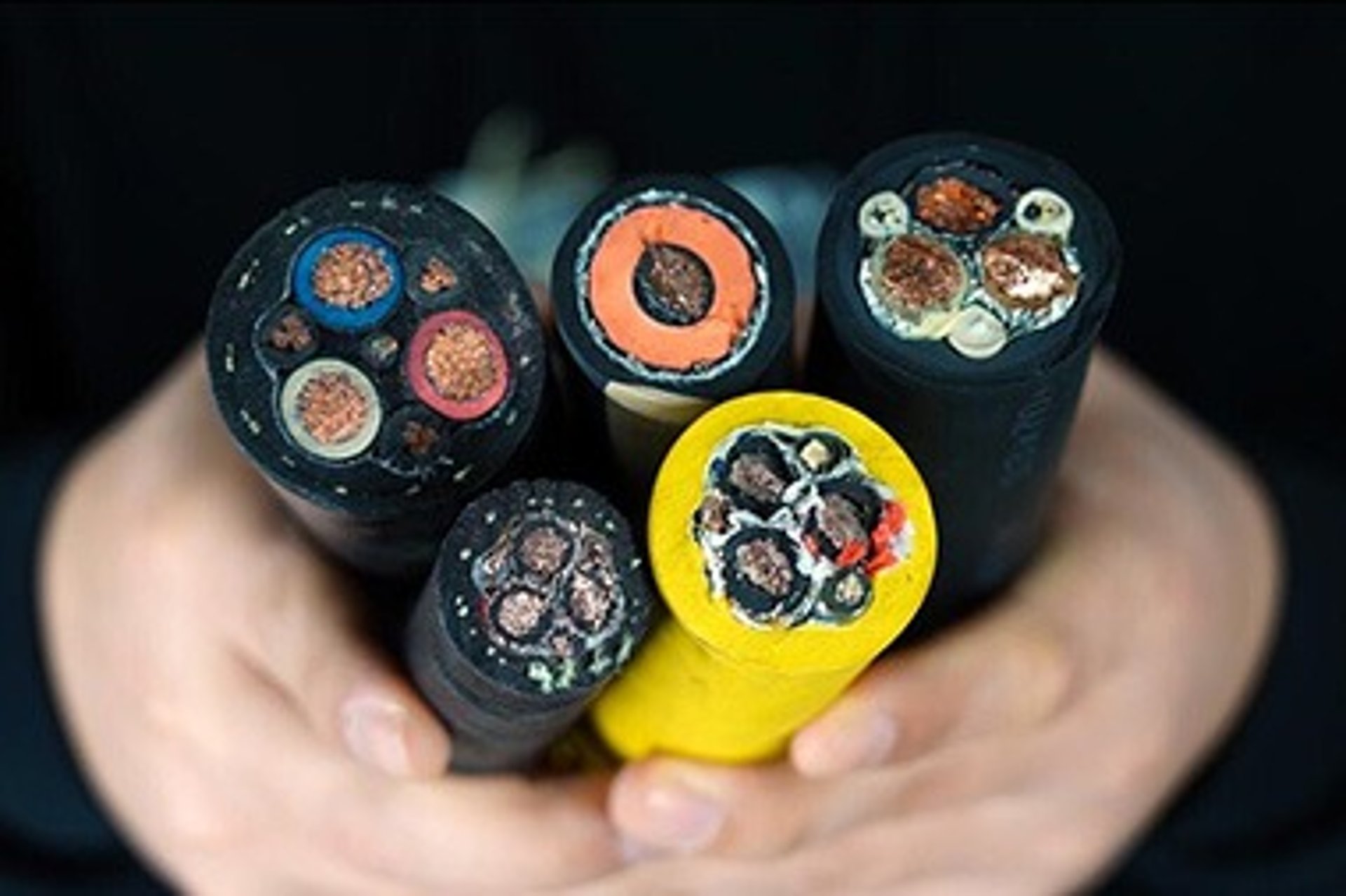
A cable is only as tough as the architecture behind it. The SANS Type 41 cable is built layer-by-layer for mechanical punishment, electrical reliability, screening integrity, and maximum flexibility.
Power Core System
The cable contains:
Three screened power cores
Each uses tinned copper conductors for corrosion resistance.
Wrapped with nylon/tinned copper braid screening to reduce electromagnetic interference.
One unscreened pilot core
Used for monitoring, protection circuits, or interlocking.
The four cores are:
Laid up in right-hand lay
Surrounding a rubber RD1 filler centre
→ This prevents voids, improves roundness, and stabilises mechanical behaviour.
Conductor
Class 5 flexible stranded tinned annealed copper
Highly flexible, low resistance, and ideal for trailing movement and repetitive bending.
Insulation Layer
EPR (Ethylene Propylene Rubber)
A thermosetting insulation
Excellent thermal stability
Maintains dielectric strength up to 90°C
Resists partial discharge and moisture
Braid and Reinforcement System
Two different braids serve two different purposes:
Nylon/tinned copper screen braid over each power core → EMI protection and enhanced mechanical shielding.
Open nylon reinforcement braid
Minimum 16 strings
Provides tensile strength for dragging, reeling, and impact resistance.
Inner and Outer Sheaths
Both sheaths use CR (Polychloroprene Rubber)—renowned for:
Abrasion resistance
Fire retardance
Oil/petroleum resilience
Flexibility in cold environments
Water resistance
This makes CR ideal for harsh underground and surface mines where mud, oil, vibration, and impact are unavoidable.
Why This Structure Works in Mining
The layered architecture provides:
Flexibility for reeling and non-reeling applications
Durability under high mechanical stress
Screening to avoid signal interference in sensitive equipment
Roundness and balance, reducing cable twisting failures
Thermal and chemical resilience needed in underground atmospheres
In short, Type 41 is designed not just to survive, but to reliably perform in South Africa’s high-risk mining environment.
Materials Used: The Science Behind Durability and Longevity
Every material used in SANS Type 41 is chosen for a specific engineering purpose. Let’s break it down.
Conductor Material: Tinned Copper
Tinning prevents corrosion in damp environments
Enhances soldering and connection quality
Class 5 stranding provides:
High flexibility
Greater fatigue life under repeated bending
Insulation: Thermosetting EPR
EPR is superior to PVC or XLPE in:
High-temperature behaviour
Flexural endurance
Water and oil resistance
Dielectric stability under mechanical stress
Temperature rating: –25°C to +90°C.
Sheathing: Polychloroprene Rubber (CR)
CR sheaths give the cable:
Flame retardancy (critical in methane zones)
Excellent abrasion resistance (when dragged across rock surfaces)
Resistance to hydrocarbons, lubricants, oil, and chemicals
Very good flexibility even in cold shafts
Screening and Braid Materials
Nylon braid protects against tensile load
Tinned copper braid protects against EMI and radio-frequency interference
Together, these materials ensure the cable remains reliable even in:
Wet, corrosive tunnels
Hot stopes
Mobile machinery vibration zones
Drilling and blasting sectors exposed to shock
Material Standards
The materials comply with:
SANS 1411-1 (Flame-retardant performance)
SANS 1411-3 (Halogen content and toxicity requirements)
These standards guarantee performance in hazardous areas where fire, smoke, and corrosion risks must be mitigated.
Technical Specifications
Below is a summary of key technical specifications that matter in engineering and operations.
Voltage Rating
Uo/U: 640/1100 V
Suitable for mid-power portable machinery.
Temperature Rating
Operational: –25°C to +90°C
Ideal for deep Mine refrigeration zones and hot working environment
Conductor Sizes
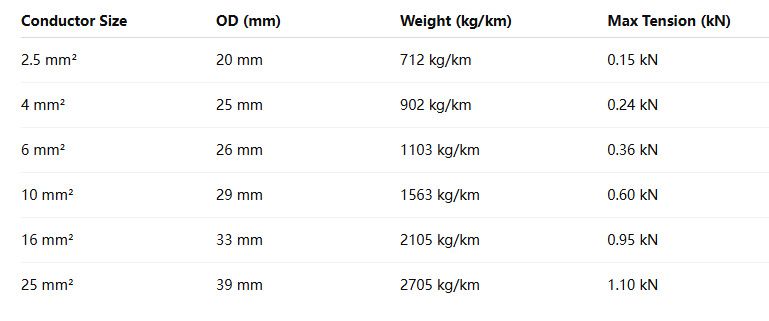
From 2.5 mm² to 25 mm²
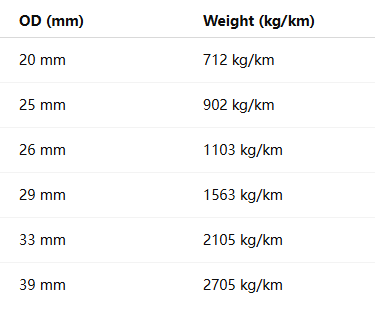
Physical Properties
Minimum Bending Radius
6 × overall diameter
Designed for reeling mechanisms and tight underground bends.
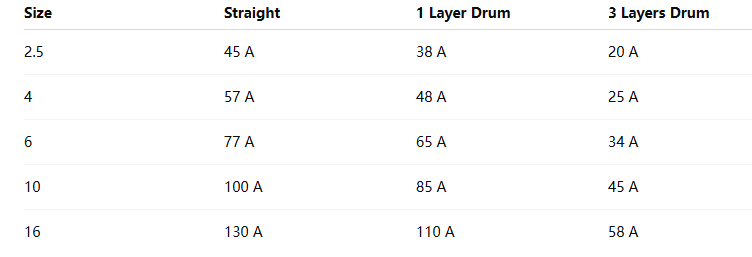
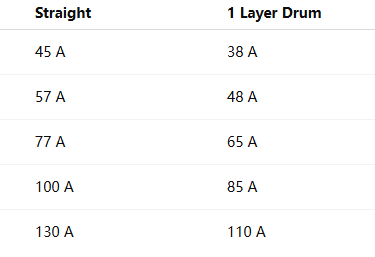
Current Ratings at 30°C
Electrical Characteristics
DC resistance at 20°C: 0.859–5.50 Ω/km
Reactance: 0.100–0.123 Ω/km
Symmetrical short-circuit current: 0.49–3.1 kA
Earth-fault current via screens: 0.5–1.6 kA
These values ensure:
Low voltage drop
Stable power distribution
Strong fault-current performance
Reliable protection coordination
Compliance Standards
SANS 1520-1 (Mining flexible cables)
SANS 1411-1/3 (Fire safety and toxicity)
Meets requirements for hazardous locations with gas/dust explosion risks
Electrical Performance in Real Mining Conditions
In mining operations, electrical stability determines whether equipment runs safely and efficiently.
Current Carrying Capacity
Type 41’s Class 5 copper conductors allow:
Smooth current flow
Low heat generation
Superior flexibility
Layering on drums reduces cooling, so derating is essential—ignored too often in field operations. Proper derating can prevent:
Conductor overheating
Insulation hardening
Premature failures
Impedance and Voltage Drop
Low impedance ensures:
Longer operational distances
Improved voltage regulation for motors
Reduced flicker under fluctuating load
This is crucial for pumps and fans positioned far from supply points.
Fault Performance
Short-circuit withstand capability protects:
Transformers
Switchgear
MCC panels
This is especially vital in coal mines where arc faults can become ignition sources.
Applications in South African Mining
Typical Applications
Jumbo drills
Shuttle cars
Load-haul-dump (LHD) machines
Submersible and dewatering pumps
Ventilation fans
Portable lighting
Small conveyors and mobile substations
Underground Environments
Perfect for:
Damp stopes
Long-haul tunnels
Dusty rock faces
Methane-prone coal sectors
Platinum mines with heavy mechanical vibration
Open-Pit and Surface Applications
Used extensively for:
Mobile pumps
Portable substations
Wash-down machinery
Blast-hole drilling rigs
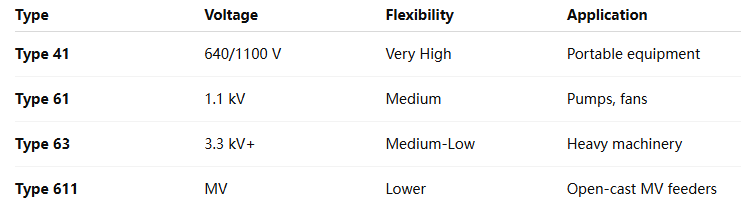
Comparison with Other SANS Cable Types
Type 41 fills the niche for:
Mobile
Low-voltage
Hazard-zone machinery
South African Case: How Type 41 Performs in the Real World
Gold Mine in Carletonville
A large deep-level gold mine used Type 41 cables to power pump stations located 2.7 km underground.
Challenges:
High humidity (up to 98%)
Continuous vibration
Rockfalls damaging trailing cables
Outcome:
Type 41 outperformed the previous PVC-sheathed cable, achieving:
19 months longer service life
30% fewer unplanned cable repairs
Improved insulation resistance stability
Open-Cast Coal Mine in Witbank
A reeling application powering mobile dewatering pumps.
Challenge:
Abrasion from sharp coal fragments tore through their previous cable type.
Outcome:
The CR outer sheath and reinforcement braid of Type 41 lasted 2.4× longer, cutting annual cable replacement costs by 42%.
Platinum Mine near Rustenburg
Used Type 41 for LHD trailing applications.
Challenge:
High vibration and tight turning radii caused conductor fatigue in alternative cables.
Outcome:
With Type 41’s nylon reinforcement, conductor breakage reduced by 60%, preventing repeated downtime of a R3M LHD machine.
Frequently Asked Questions (FAQ)
Why is SANS Type 41 suitable for hazardous areas?
Because it offers:
CR flame-retardant sheaths
Screened power cores reducing interference
EPR insulation resistant to heat and moisture
Compliance with SANS 1520-1, SANS 1411-1/3
How do I select the correct conductor size?
Consider:
Load current
Voltage drop distance
Number of drum layers
Mechanical tension
Type of equipment (pump, drill, LHD, etc.)
Can Type 41 be used in wet or flooded areas?
Yes.
CR sheaths offer excellent water resistance, ideal for:
Pump bays
Underground dams
Congolese-style mist zones
What maintenance is recommended?
Inspect for cuts, swelling, or abrasion
Ensure correct bending radius (6 × OD)
Avoid sharp edges on cable guides
Test insulation resistance periodically
Check terminations for corrosion
How does it differ from Type 61 or Type 63?
Type 41 is specifically for portable, flexible, low-voltage equipment
Type 61/63 cover higher voltages or heavier mechanical loads
Why the SANS Type 41 Cable Continues to Lead in South African Mining
The SANS Type 41 cable is not just another flexible trailing cable—it is a reliable, field-proven, safety-oriented engineering product built specifically for South Africa’s mining ecosystem. Its combination of:
High mechanical durability
Low-voltage flexibility
Reinforced braiding
High-quality EPR and CR materials
SANS 1520-1 compliance
Excellent electrical performance
makes it one of the most trusted and widely used cable types in the country.
Whether powering pumps, drills, LHDs, fans, or portable substations, the Type 41 cable supports the backbone of South Africa’s mining productivity—and helps ensure safe, stable operations in some of the world’s most challenging underground environments.
Contact Anhui Feichun Special Cable Co., Ltd.
For comprehensive technical specifications and quotations, please contact our specialized mining cable engineering team:
Technical Engineering Support:
Sales Engineering Department:
WhatsApp Contact:
Manufacturer: Anhui Feichun Special Cable Co., Ltd. (安徽飞纯特种电缆有限公司)
Manufacturing Headquarters: Building A, Private Science and Technology Park, Hefei Economic and Technological Development Zone, Anhui Province, People’s Republic of China
+86 17333223430
Email Address: Li.wang@feichuncables.com
© 2025. All rights reserved.
One-click to Quickly Contact
Products
Contact
Company
Location:
Building A Private Science and Technology Park, Hefei Economic and Technological Development Zone, Anhui Province, China
Heat Resistant Cable
WhatsApp: +86 17333223430
Social Media: