Anhui Feichun Special Cable Co.,Ltd Email: Li.wang@feichuncables.com
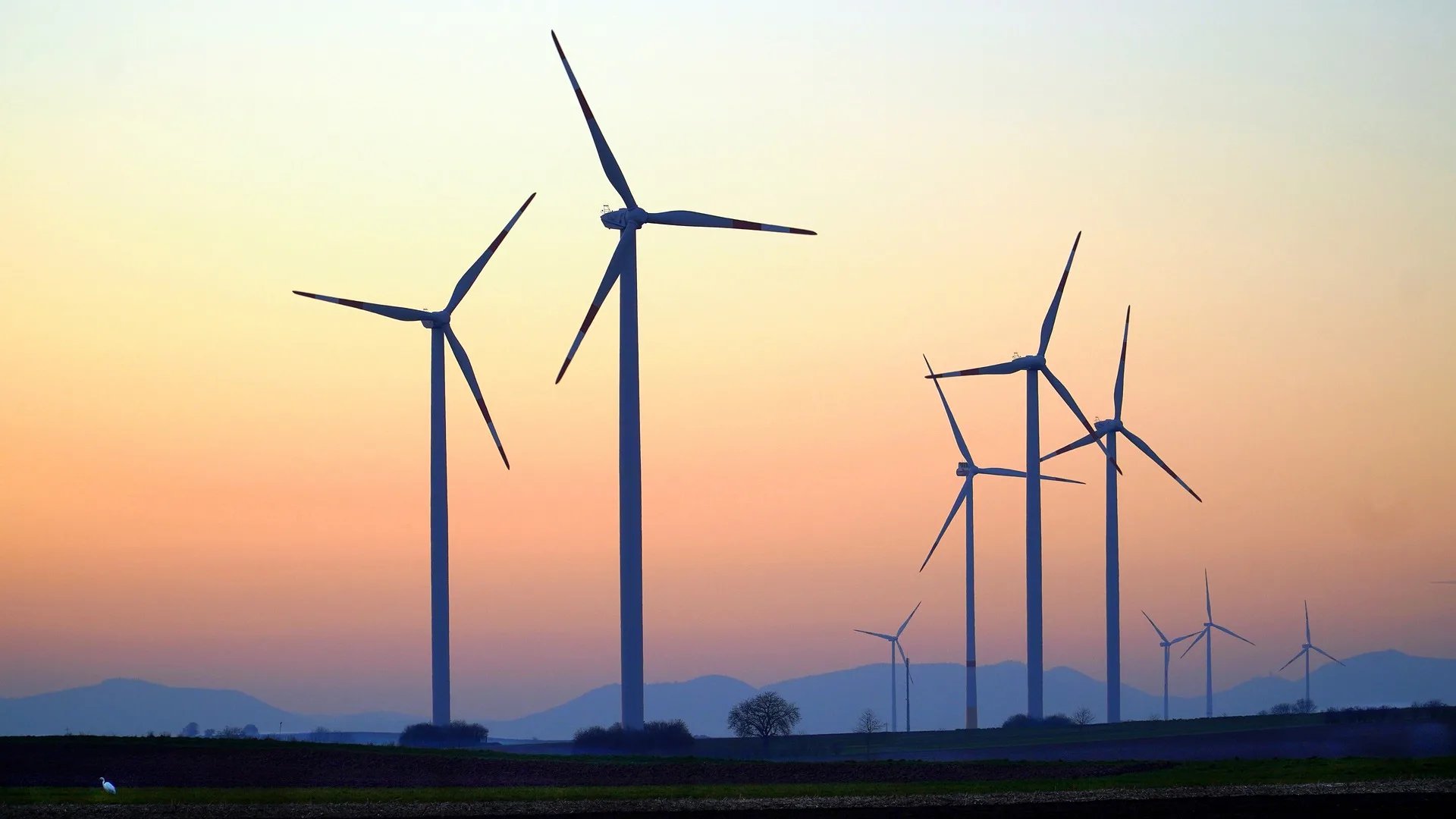
Wind Turbine Cables: The Unsung Heroes Keeping South Africa’s Wind Farms Spinning
Wind turbine cables – flexible LV/MV power, torsion-rated control, and fibre optic lines – are critical for reliable wind energy in South Africa. Explore materials, onshore vs offshore specs, REIPPPP compliance, failure modes, and FAQs for Gourikwa to West Coast farms.
Li. Wang
10/31/20256 min read
Why Wind Turbine Cables Matter in the Renewable Game
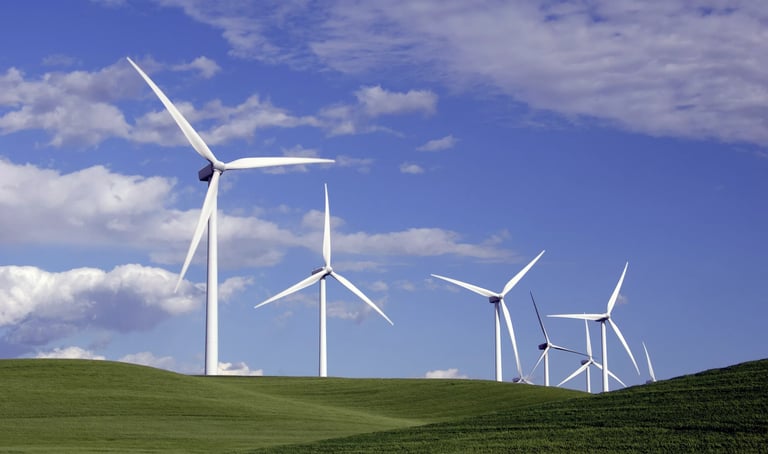
Loadshedding remains a daily headache for millions of South Africans, but the Renewable Energy Independent Power Producer Procurement Programme (REIPPPP) is changing the script. From the windswept hills of Gourikwa in the Western Cape to the vast plains around Noupoort in the Northern Cape, gigawatts of wind capacity are coming online. Yet every megawatt depends on one overlooked component: the wind turbine cable.
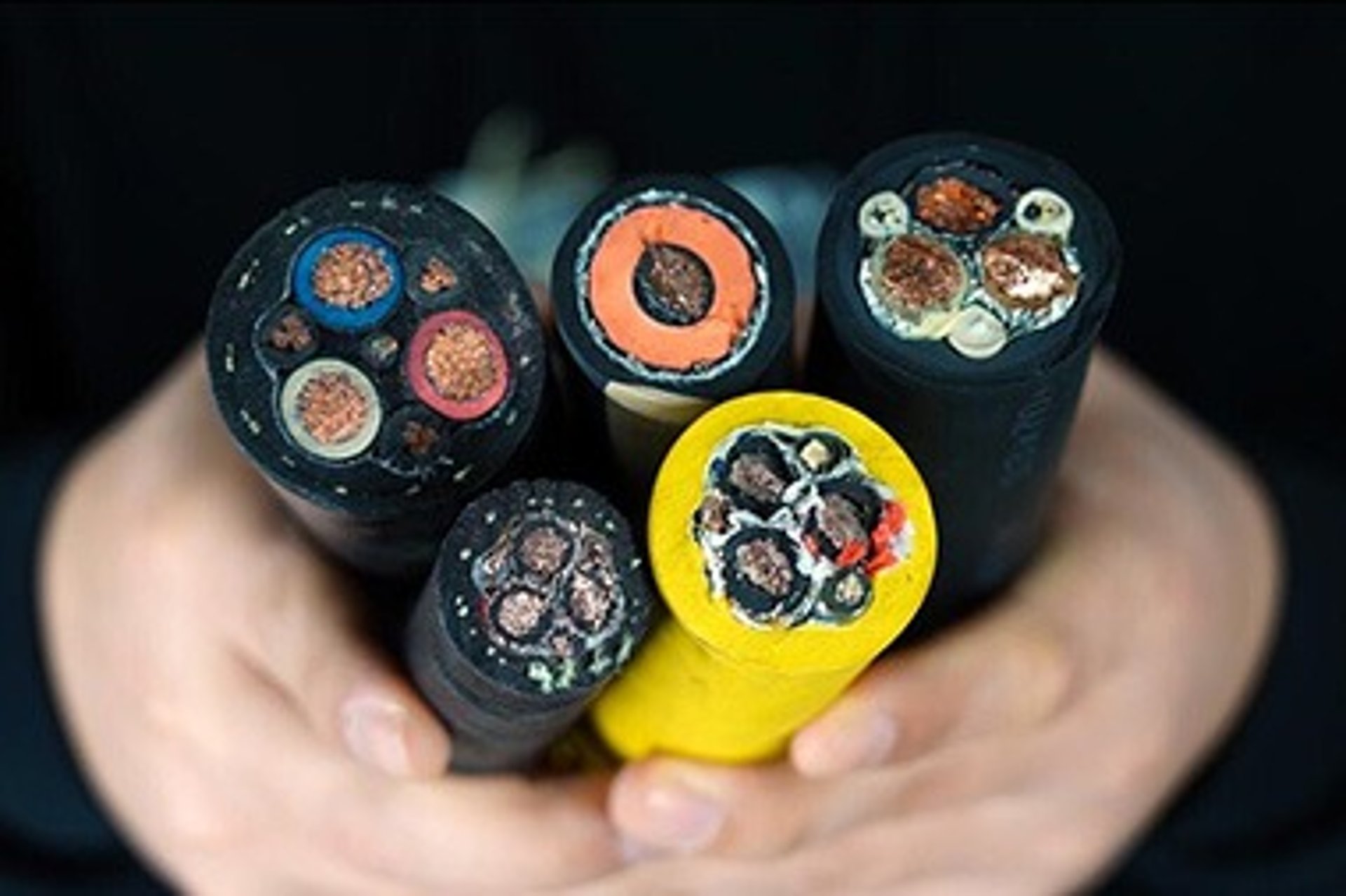
A wind turbine cable is a specialised low-voltage (LV) or medium-voltage (MV) flexible power, control, communication, or fibre optic cable engineered for extreme torsional stress, continuous dynamic bending, and harsh environmental exposure inside nacelles, towers, and array collection systems. These are not your average building wires – they twist ±360° per metre, survive -40 °C Highveld winters, and shrug off Kalahari heat while carrying clean power to the grid.
This deep dive explores materials, design principles, onshore versus offshore differences, South African compliance, common failures, and answers the questions local engineers ask on site. Whether you’re a developer, EPC contractor, or maintenance technician, understanding these cables ensures your turbines keep spinning – and the lights stay on.
What Makes a Wind Turbine Cable “Fit for Purpose”
Conductor and Insulation Systems
At the heart of every wind turbine cable lies the conductor. South African specifications demand Class 5 or Class 6 tinned copper stranding per IEC 60228. The fine stranding (sometimes down to 0.05 mm² individual wires) delivers the flexibility needed for nacelle loops, while tin plating fights corrosion in coastal salt spray.
Insulation choices separate the pros from the also-rans. Ethylene Propylene Rubber (EPR) or High-Modulus EPR (HEPR) dominates LV flexible cables, rated for continuous operation from -40 °C to +90 °C. Cross-linked Polyethylene (XLPE) takes over in MV fixed tower runs thanks to superior dielectric strength (up to 30 kV/mm) and resistance to partial discharge. Triple-extruded semiconductive screens – inner conductor screen, insulation, and outer insulation screen – control electrical stress gradients in 11–33 kV collection cables, preventing premature ageing.
Sheath and Armouring Strategies
The outer sheath is the cable’s first line of defence. Halogen-Free Flame-Retardant (HFFR) or Low Smoke Zero Halogen (LS0H) thermoset compounds meet IEC 60332-3 fire propagation tests and release minimal toxic smoke – a non-negotiable for nacelle environments. Offshore cables upgrade to Thermoplastic Polyurethane (TPU) or mud-resistant Polychloroprene (PCP) sheaths that resist North Sea-equivalent drilling fluids and H₂S attack.
Armouring varies by location. Onshore tower down-conductors often specify Steel Wire Armour (SWA) with a high-density polyethylene (HDPE) oversheath to deter dassies and porcupines. Offshore dynamic risers demand double steel wire armour plus fibre-optic elements integrated between armour layers for SCADA telemetry.
Torsional and Flexing Performance
Nacelle yaw can rotate 720° in either direction during storm tracking. The loop cable hanging 3–5 m below the bedplate must absorb ±360° torsion per metre without kinking. EN 50618 and EN 50288-7 testing mandates a minimum bend radius of 6–8 × overall diameter (OD) for fixed loops and 10–12 × OD during installation. Fatigue life exceeds 10 million combined bending + torsion cycles – equivalent to 20+ years at 15 rpm average yaw activity.
EMC and Signal Integrity
Wind farms are electromagnetic warzones. Variable speed drives, IGBT converters, and lightning impulses generate broadband noise. Control and data cables use overall aluminium foil plus tinned copper braid shielding with ≥85 % optical coverage to keep interference below -80 dB. Pair twisting and individual foil shields on critical pitch motor circuits prevent crosstalk.
Fibre optic cables – typically multimode OM3/OM4 or single-mode OS2 – deliver 1–10 Gbps SCADA data immune to EMI. Loose-tube, gel-filled construction with aramid strength members survives tower vibration, while pre-terminated IP68 splice boxes every 100 m limit attenuation to 0.3 dB/km.
Environmental Resilience: Built for the Southern African Extremes
South Africa throws the full menu at wind turbine cables. UV and ozone resistance is verified via ISO 4892-2 xenon-arc ageing for >2 000 hours with no surface cracking. Salt mist corrosion testing to IEC 60068-2-52 severity level 4 mimics West Coast marine exposure, while H₂S resistance protects against biogas traces in agricultural areas.
Thermal cycling from -40 °C (Sutherland winters) to +90 °C (nacelle gearbox peaks under load) demands materials with low thermal expansion coefficients. Oil resistance testing in IRM 903 fluid shows IRHD swell <15 % after 168 hours, preventing sheath embrittlement after hydraulic leaks.
Application Mapping: From Nacelle Loop to Collection Grid
Inside the Nacelle
The nacelle loop – typically 1.5–4 mm² EPR-insulated, torsion-rated rubber power cables – connects generator stator terminals to the down-tower converter. Multicore shielded control cables (0.75–2.5 mm²) handle pitch, yaw, and hydraulic brake signals. Fibre optic temperature sensors threaded along the loop monitor hotspot formation in real time.
Tower Down-Conductor
Fixed MV cables (6–35 mm² XLPE, SWA armoured) run vertically inside the tower, secured by cleats every 600 mm. Water-blocking tapes and swellable yarns prevent moisture migration from the base joint to the nacelle.
Array and Export Cables
33 kV inter-array collection cables use three-core XLPE insulation with copper tape screens and longitudinal water blocking. Offshore dynamic riser sections transition from flexible torsion-rated cable at the hang-off to static double-armoured submarine cable on the seabed, complete with integrated fibre for condition monitoring.
Onshore vs Offshore
Onshore cables prioritise light weight and small OD for easier tower pulling. A typical 33 kV collection cable might be 95 mm² XLPE with SWA and HDPE oversheath, weighing ~5 kg/m. Control cores are 1.5–2.5 mm² tinned copper.
Offshore cables are beasts. A 185 mm² three-core MV submarine cable with double wire armour, bitumen corrosion protection, and integrated fibre can exceed 40 kg/m. Wet-ageing qualification per IEC 60502-2 Annex D ensures 30-year life under permanent submersion. Cost? Offshore cables run 3–5 times the price per metre, but losses drop and uptime rises.
Standards, Certifications, and Local Compliance
International baselines include IEC 60502 (MV power), IEC 60228 (conductors), and EN 50618 (torsion class). Fire performance follows IEC 60332-1 and -3; LS0H sheaths meet BS 7211.
South African add-ons: SANS 1574 governs flexible cords, while NRTA type-testing aligns with the Grid Code for REIPPPP projects. Third-party marks such as UL 1277 TC-ER, DNV-GL, or ABS give lenders confidence.
Common Failure Modes and How to Avoid a Cable Catastrophe
Torsional sheath cracking appears as circumferential splits after 5–7 years in under-rated loops. Specify ±360°/m rating and conduct annual visual + thermographic inspections.
Water treeing in MV XLPE starts as micro-voids under electrical stress. Demand 100 % dry-cure triple extrusion and factory partial discharge testing <5 pC at 1.5 U₀.
Rodent damage chews through HDPE sheaths in seconds. Use SWA + citrus-repellent additives or stainless-steel tape.
Connector corrosion at nacelle joints causes arcing. Torque IP68 glands to spec, use tinned lugs, and apply anti-oxidant paste.
FAQ
1. What’s the difference between a normal MV cable and a wind turbine loop cable?
A standard MV cable is designed for fixed installation with Class 2 stranded copper and stiff XLPE insulation. A wind turbine loop cable uses Class 5/6 tinned copper, EPR rubber insulation, and a ±360° torsion rating per EN 50618 to survive nacelle yaw without fatigue failure.
2. Can I use solar DC cables inside a wind tower?
No. Solar PV cables (TUV 2PfG 1169) lack the oil resistance, torsion rating, and low-temperature flexibility required by EN 50618 for wind applications. Using them voids warranties and risks insulation cracking.
3. How often should I replace nacelle drop cables?
Plan visual and thermographic inspections annually. Replace at 12–15 years or after 8 million torsion cycles – whichever comes first. Modern condition-monitoring fibre can predict end-of-life six months early.
4. Are LS0H cables mandatory for onshore farms in SA?
Not yet legislated under NRS 097, but REIPPPP lenders and insurers increasingly mandate IEC 60332-3 Category A performance. Specifying LS0H future-proofs your project and eases offtake negotiations.
5. What’s the lead time for 33 kV offshore export cable?
Expect 12–18 months ex-Europe. Local armouring at Aberdare or CBI can trim two months, but conductor drawing remains the bottleneck.
6. My cable sheath is swelling after a gearbox oil spill – what now?
Isolate the section immediately. Send a sample for IRHD swell testing. Replace with PCP or TPU oil-resistant grade and install drip trays under the gearbox.
7. Do fibre optic cables need special joints in the tower?
Yes. Use pre-terminated IP68 splice boxes every 100 m vertical run. Factory polishing keeps insertion loss <0.3 dB and prevents dust ingress during tower section lifts.
Conclusion
Wind turbine cables are the circulatory system of South Africa’s renewable future. From the torsion-rated rubber loops dancing inside nacelles to the double-armoured submarine arteries feeding the grid, every metre is engineered for decades of punishment. By selecting the right conductor class, insulation chemistry, armour strategy, and compliance marks, developers and operators can slash downtime, boost yield, and keep the lights on – even when Eskom falters.
As REIPPPP Round 6 and Just Energy Transition funding unlock more wind gigawatts, investing in fit-for-purpose cables isn’t optional – it’s the difference between a project that spins profitably for 25 years and one that trips on its own wiring. Choose wisely, inspect religiously, and let the cables do what they do best: deliver clean, reliable power to every South African home.
Email Address: Li.wang@feichuncables.com
© 2025. All rights reserved.
One-click to Quickly Contact
Products
Contact
Company
Location:
Building A Private Science and Technology Park, Hefei Economic and Technological Development Zone, Anhui Province, China
Heat Resistant Cable
WhatsApp: +86 17333223430
Social Media: