Anhui Feichun Special Cable Co.,Ltd Email: Li.wang@feichuncables.com
XLPE Cables: Transforming South Africa’s Electrical Future with Cutting-Edge Insulation Technology
Discover the unique properties, benefits, and applications of XLPE insulated cables in South Africa. Learn how cross-linked polyethylene outperforms PVC insulation in power transmission, mining, and infrastructure, ensuring reliability in diverse environments.
Li Wang
9/28/20258 min read
Introduction
In South Africa, where electricity powers bustling cities like Johannesburg, sprawling rural communities, and the vital mining sector, reliable electrical cables are the backbone of progress. From keeping homes illuminated to supporting industrial operations in harsh environments, the quality of electrical infrastructure directly impacts daily life and economic growth. Among the technologies driving this reliability is Cross-linked Polyethylene (XLPE) insulated cables, a cornerstone of modern power transmission and distribution systems.
XLPE cables have emerged as a preferred choice due to their exceptional durability, thermal stability, and electrical performance. In a country as diverse as South Africa—with its coastal humidity, arid interiors, and demanding industrial landscapes—understanding the role of XLPE cables is critical for engineers, policymakers, and consumers alike. This article explores the unique properties, benefits, and applications of XLPE insulated cables, comparing them to traditional polyvinyl chloride (PVC) insulation, and highlights their significance in South Africa’s unique environmental and industrial contexts.
By delving into the science behind XLPE, its advantages over other materials, and its widespread use across South African industries, this article aims to provide a comprehensive understanding of why XLPE cables are a vital component of the nation’s electrical infrastructure.
What Are XLPE Insulated Cables?
Definition
XLPE, or Cross-linked Polyethylene, is a thermoset insulation material widely used in electrical cables for power transmission and distribution. Unlike thermoplastic materials that soften when heated, thermoset materials like XLPE maintain their structural integrity under high temperatures, making them ideal for demanding applications. XLPE cables are engineered to withstand harsh environmental conditions, such as those found in South Africa’s coastal regions, mining operations, and urban power grids.
Manufacturing Process
The superior properties of XLPE are achieved through a process called cross-linking, which alters the molecular structure of polyethylene (PE). Polyethylene, a common plastic, is naturally flexible but limited by its temperature range and mechanical strength. Cross-linking binds the polymer chains more tightly, enhancing durability and performance.
There are two primary methods of cross-linking:
Chemical Cross-linking: This involves adding chemicals like silane or peroxide to polyethylene, generating free radicals that form cross-links between polymer chains. This method is precise and widely used in cable manufacturing.
Physical Cross-linking: This uses high-energy sources, such as electron beams or microwave radiation, to initiate cross-linking. It is often employed for specific applications requiring uniform molecular bonding.
The result is a material with enhanced thermal, electrical, and mechanical properties, making XLPE cables suitable for a wide range of voltages and environments.
Key Characteristics
XLPE cables boast several key characteristics that make them ideal for electrical applications:
High Dielectric Strength: XLPE can withstand high electrical stresses, making it suitable for low, medium, and high-voltage applications.
High Insulation Resistance: This ensures minimal energy loss during transmission, improving efficiency.
Low Dissipation Factor: XLPE maintains stable electrical performance across a wide range of frequencies, reducing signal distortion in instrumentation cables.
These properties make XLPE a versatile and reliable choice for South Africa’s diverse electrical needs, from urban power grids to remote mining operations.
Benefits of XLPE Insulated Cables
XLPE cables offer a range of advantages that make them indispensable in modern electrical systems. Below, we explore these benefits in detail, with a focus on their relevance to South African applications.
Thermal Stability
One of XLPE’s standout features is its ability to operate at high temperatures without compromising performance. XLPE cables can withstand continuous temperatures of up to 90°C and short-circuit temperatures of 170–250°C, far surpassing PVC cables, which are typically limited to 70°C. This thermal stability ensures that XLPE cables do not melt or drip, even under extreme conditions, such as exposure to soldering irons or high ambient temperatures in South Africa’s arid regions.
For example, in South Africa’s Northern Cape, where summer temperatures often exceed 40°C, XLPE cables maintain reliable performance in outdoor installations, ensuring uninterrupted power supply to rural communities and industrial facilities.
Electrical Performance
XLPE cables excel in electrical performance, making them suitable for a wide range of voltage applications, from low voltage (up to 1kV) to high voltage (up to 500kV). Their high dielectric strength and low dielectric loss ensure efficient power transmission with minimal energy wastage. Additionally, XLPE cables exhibit excellent water-tree resistance, a critical feature in humid environments like South Africa’s coastal regions, such as Durban or Cape Town. Water-treeing, a phenomenon where moisture infiltration causes insulation degradation, is significantly reduced in XLPE compared to standard polyethylene, ensuring long-term reliability.
Mechanical Strength
XLPE cables offer superior tensile strength, elongation, and impact resistance compared to other insulation materials. The addition of carbon black enhances resistance to hot deformation and cut-through, making XLPE cables robust enough for demanding applications like underground mining. In South Africa’s mining industry, where cables are subjected to abrasion, mechanical stress, and heavy machinery, XLPE’s durability ensures operational safety and longevity.
Chemical and Environmental Resistance
South Africa’s industrial and mining sectors expose cables to harsh conditions, including chemicals, oils, and moisture. XLPE’s cross-linked structure provides excellent resistance to these elements, ensuring cables remain functional in corrosive environments. Additionally, XLPE can be formulated as a Low Smoke Zero Halogen (LSZH) material, reducing toxic emissions in the event of a fire. This is particularly important in enclosed spaces like shopping centres (e.g., Sandton City in Johannesburg) or hospitals, where fire safety is a priority.
Durability and Cost-Effectiveness
XLPE cables have a life expectancy of up to 50 years, with a thermal life of approximately 40 years, significantly outlasting PVC cables. While the initial cost of XLPE cables may be higher, their durability and reduced maintenance needs make them cost-effective over time. For South Africa, where infrastructure investments must balance cost and reliability, XLPE cables offer a compelling long-term solution.
Environmental Friendliness
Unlike PVC, which contains chloride and can release toxic fumes when burned, XLPE is chloride-free, making it more environmentally friendly. This aligns with South Africa’s growing emphasis on sustainable infrastructure, particularly in urban developments and renewable energy projects.
Comparing XLPE and PVC Insulation
While both XLPE and PVC are used as insulation materials for electrical cables, they differ significantly in performance, application, and environmental impact. Below, we compare the two, focusing on their suitability for South African contexts.
Key Differences
Voltage Suitability: XLPE is suitable for low, medium, and high-voltage applications (up to 500kV), while PVC is limited to low-voltage systems (typically up to 1kV). This makes XLPE the preferred choice for South Africa’s high-voltage transmission lines, such as those connecting Eskom’s power plants to urban centres.
Temperature Resistance: XLPE can operate at higher temperatures (up to 90°C continuous) without losing electrical properties, while PVC is limited to 70°C. This makes XLPE ideal for South Africa’s hot climates and industrial settings.
Mechanical and Chemical Resistance: XLPE’s cross-linked structure provides superior resistance to abrasion, chemicals, and moisture compared to PVC, which is less durable in harsh environments.
Flexibility: PVC cables are more flexible, making them easier to install in tight spaces, such as indoor wiring in homes. XLPE, while less flexible, compensates with greater durability and strength.
Environmental Impact
XLPE’s chloride-free composition makes it more environmentally friendly than PVC, which can release harmful dioxins when burned. In South Africa, where environmental regulations are tightening, XLPE’s LSZH properties make it a safer choice for public spaces and green building projects.
Practical Implications
In South Africa, XLPE cables are preferred for demanding applications, such as underground mining cables in the Witwatersrand Basin or coastal power grids in KwaZulu-Natal, where humidity and salt corrosion are concerns. PVC cables, while more affordable, are better suited for simpler indoor applications, such as residential wiring in suburban Pretoria homes.
Types of XLPE Insulated Cables
XLPE cables come in various types, each designed for specific applications and voltage ratings. Below, we outline the main types and their relevance to South Africa.
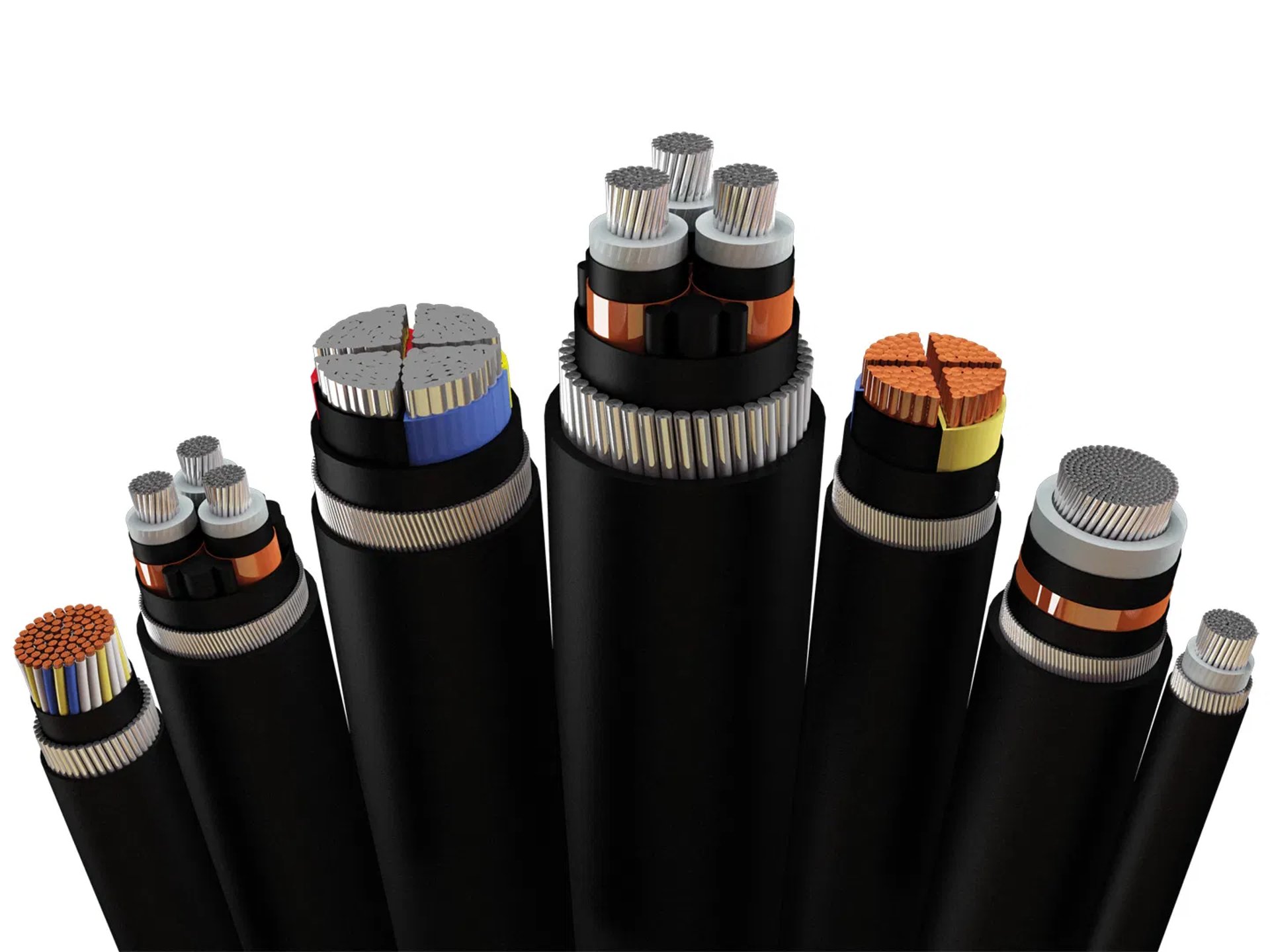
Low Voltage XLPE Insulated Cables (up to 1kV)
These cables are used in residential, commercial, and small industrial setups, such as powering homes in Cape Town or offices in Pretoria. Their high current-carrying capacity and thermal endurance make them ideal for South Africa’s low-voltage distribution networks.
Medium Voltage XLPE Insulated Cables (up to 35kV)
Medium-voltage XLPE cables are used in commercial complexes, residential areas, and industrial plants. In South Africa, cables like 11kV and 33kV XLPE are critical for power distribution in urban centres and renewable energy projects, such as solar farms in the Northern Cape.
High Voltage XLPE Insulated Cables (up to 500kV)
High-voltage XLPE cables are essential for long-distance power transmission, connecting South Africa’s power plants (e.g., Medupi and Kusile) to substations. Their high dielectric strength and low dielectric loss ensure efficient energy transfer over vast distances.
Armoured XLPE Insulated Cables
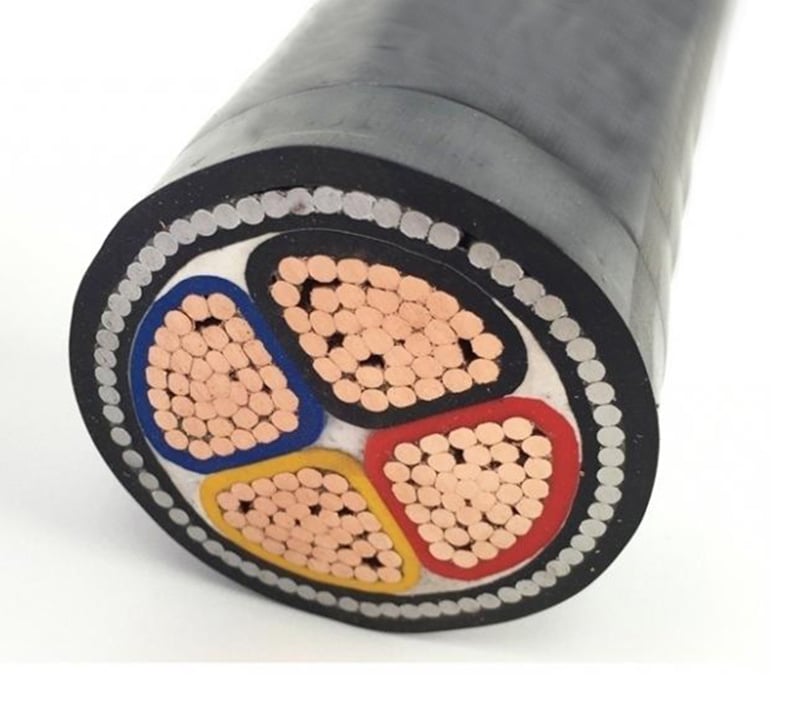
Armoured cables, reinforced with steel wire or tape, are used in underground or underwater installations, such as those in South Africa’s mining sector or coastal infrastructure projects. They withstand mechanical stress and environmental hazards, ensuring reliability in harsh conditions.
Unarmoured XLPE Insulated Cables
Unarmoured cables are used in low-risk environments, such as indoor industrial setups, where mechanical stress is minimal. They are lightweight and easier to install, making them cost-effective for specific applications.
Fire-Resistant XLPE Insulated Cables
These cables maintain functionality during fires, making them critical for buildings, tunnels, and public spaces. In South Africa, fire-resistant XLPE cables are used in high-traffic areas like OR Tambo International Airport to enhance safety.
Instrumentation XLPE Insulated Cables
Instrumentation cables are used in control systems for reliable signal transmission, vital in industries like petrochemicals. In South Africa’s Sasol plants, these cables ensure precise data transfer for process control.
Applications of XLPE Cables in South Africa
XLPE cables play a pivotal role in South Africa’s electrical infrastructure, supporting diverse applications across multiple sectors.
Power Distribution
Eskom, South Africa’s primary electricity supplier, relies on XLPE cables for its national grid, delivering power to urban centres, rural communities, and industrial hubs. For example, medium-voltage XLPE cables are used in Johannesburg’s distribution networks, while high-voltage cables connect power plants to substations across the country.
Mining Industry
South Africa’s mining sector, particularly in regions like Mpumalanga and Gauteng, demands cables that can withstand abrasion, chemicals, and mechanical stress. Armoured XLPE cables are widely used in gold and platinum mines, ensuring reliable power supply to heavy machinery and ventilation systems.
Renewable Energy
South Africa’s growing renewable energy sector, including solar and wind projects in the Northern Cape and Eastern Cape, relies on XLPE cables for efficient power transmission. For instance, the Kathu Solar Park uses medium-voltage XLPE cables to connect solar panels to the grid, leveraging their thermal stability and durability.
Infrastructure Projects
XLPE cables are integral to infrastructure projects like hydronic heating, cooling systems, and pipeline laying. In Cape Town’s waterfront developments, XLPE cables support lighting and power systems, benefiting from their moisture resistance in coastal environments.
Case Study: Eskom’s Rural Electrification Programme
In Eskom’s efforts to electrify rural areas, such as parts of Limpopo, low-voltage XLPE cables have been deployed to ensure reliable power distribution. Their durability and resistance to environmental stressors make them ideal for remote installations, reducing maintenance costs and improving access to electricity.
Conclusion
XLPE insulated cables have transformed South Africa’s electrical infrastructure, offering unmatched thermal stability, electrical performance, and durability. From powering homes and businesses to supporting the mining and renewable energy sectors, XLPE cables are a versatile and reliable solution for the country’s diverse needs. Compared to PVC, XLPE’s superior resistance to heat, chemicals, and moisture, along with its environmental friendliness, makes it the preferred choice for demanding applications.
As South Africa continues to expand its electrical grid and invest in sustainable infrastructure, XLPE cables will remain a cornerstone of progress. By choosing XLPE cables that meet international quality standards and ensuring proper installation and maintenance, South Africans can maximise the performance and longevity of their electrical systems, ensuring a safe and reliable power supply for generations to come.
For those seeking to procure XLPE cables, consulting reputable suppliers like ZW Cable can provide tailored solutions that meet specific project requirements while adhering to industry standards. With XLPE cables, South Africa is well-equipped to power its future.
Email Address: Li.wang@feichuncables.com
© 2025. All rights reserved.
One-click to Quickly Contact
Products
Contact
Company
Location:
Building A Private Science and Technology Park, Hefei Economic and Technological Development Zone, Anhui Province, China
Heat Resistant Cable
WhatsApp: +86 17333223430
Social Media: